
SPECIALIST ROLES
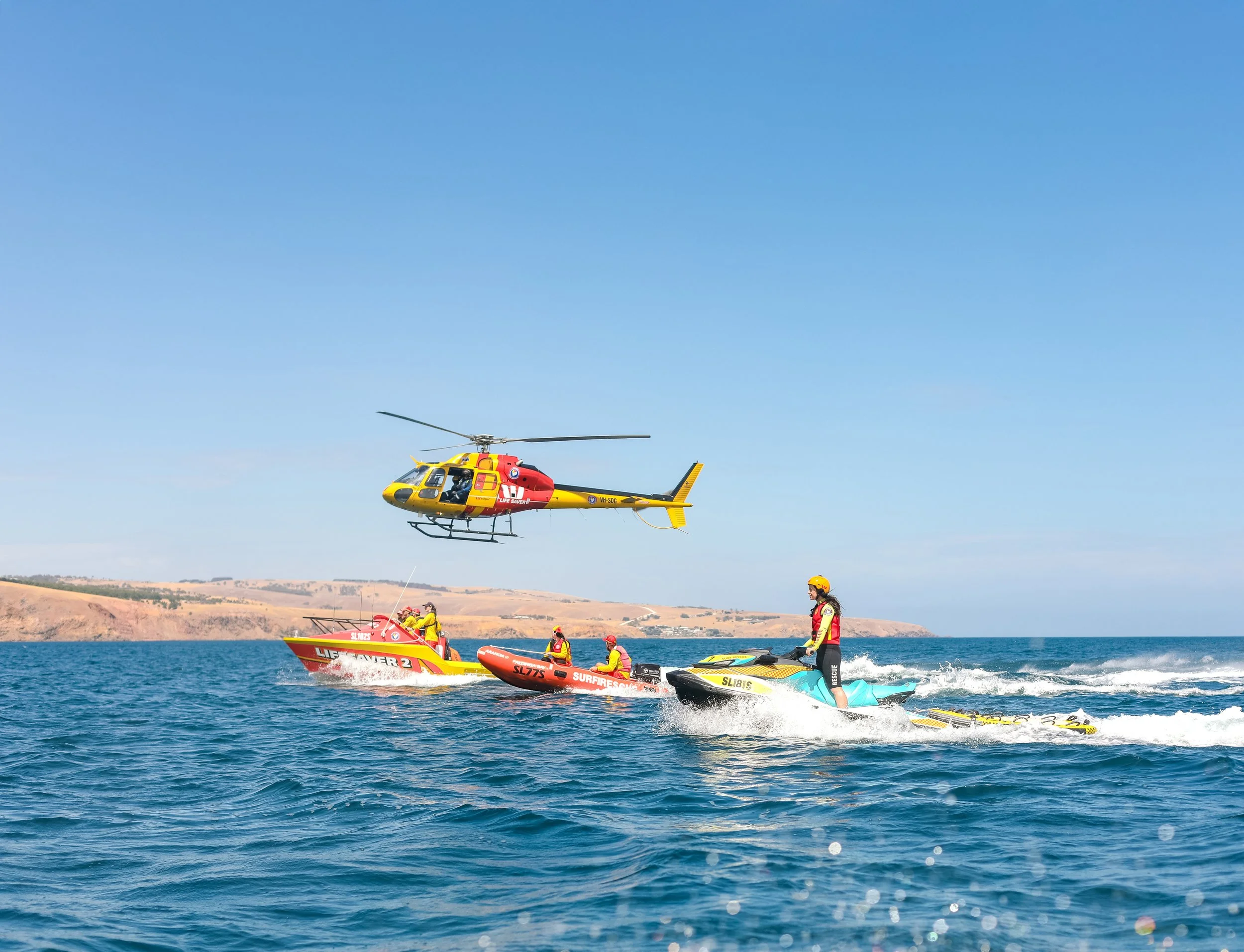
Specialist lifesaving pathways allow you to build skills in powercraft, aerial surveillance and emergency operations, with opportunities on the water, in the air and behind the scenes. You could support operations through your local club or volunteer across the state as part of the Emergency Operations Group, helping respond to incidents and keep communities safe.
Before beginning any of the qualifications below, you’ll need to join a club and become a member. Your club can help you understand the prerequisites, access training and find the pathway that best matches your interests, skills, abilities and experience.
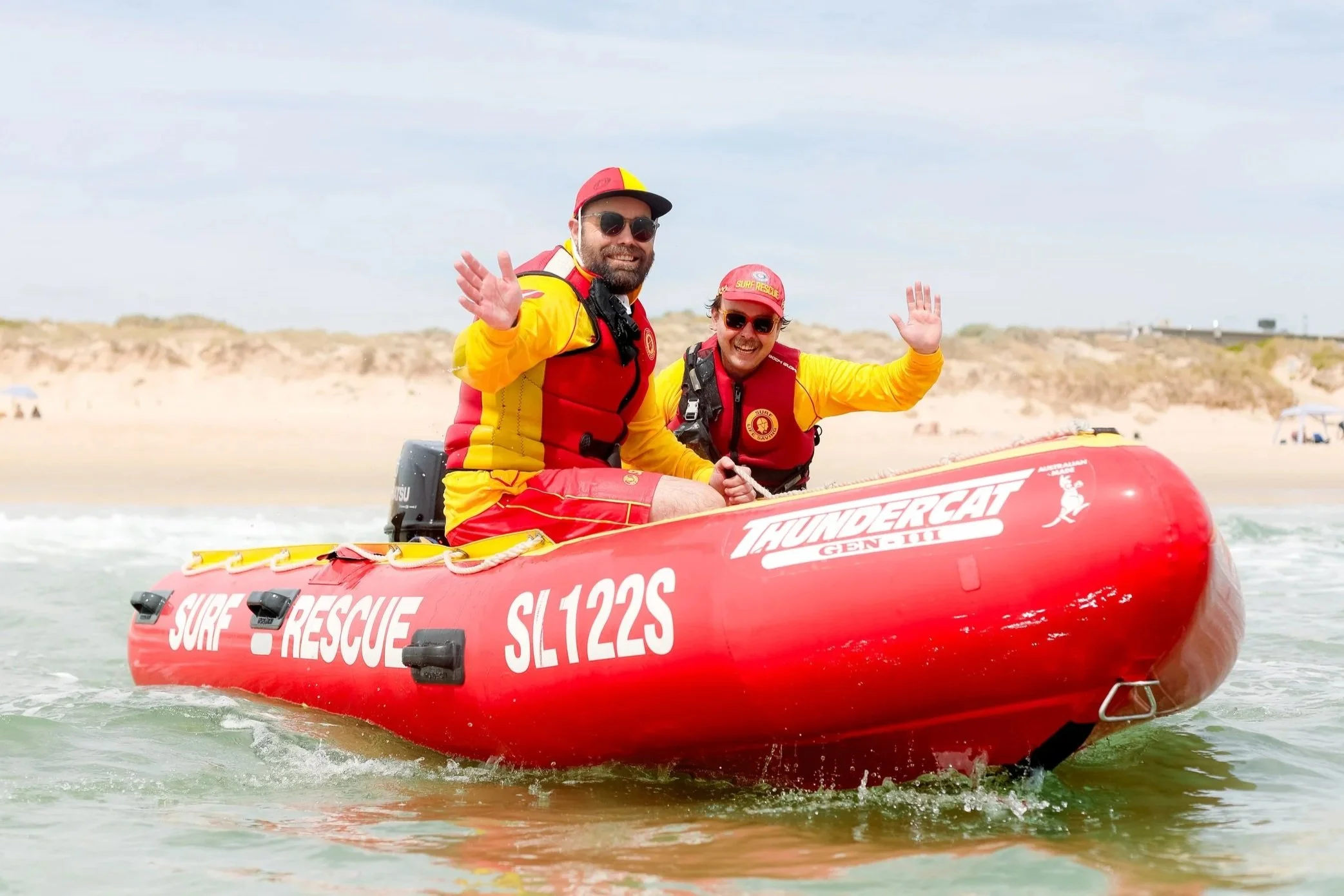
inflatable Rescue Boat (IRB) Crew
What is it?
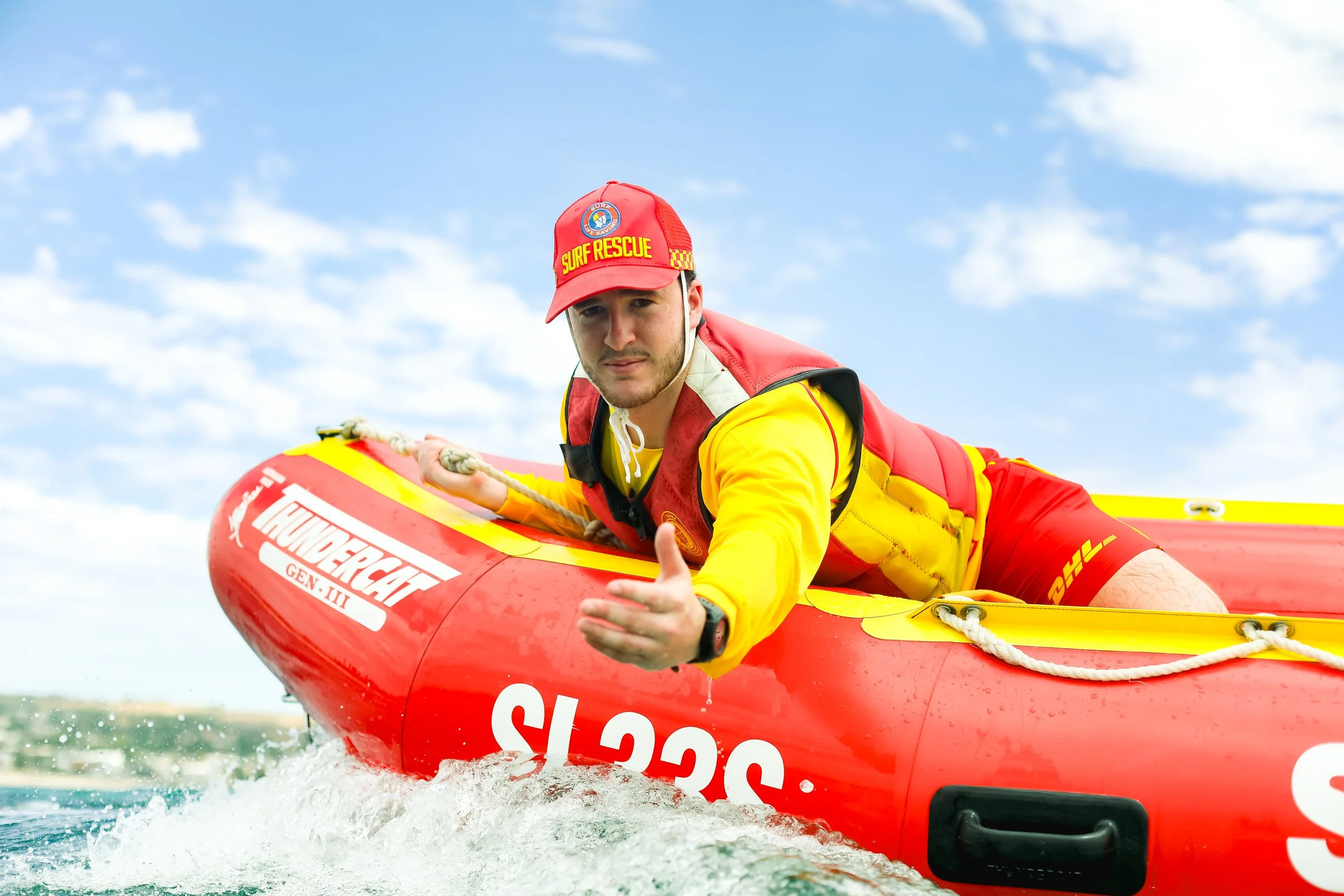
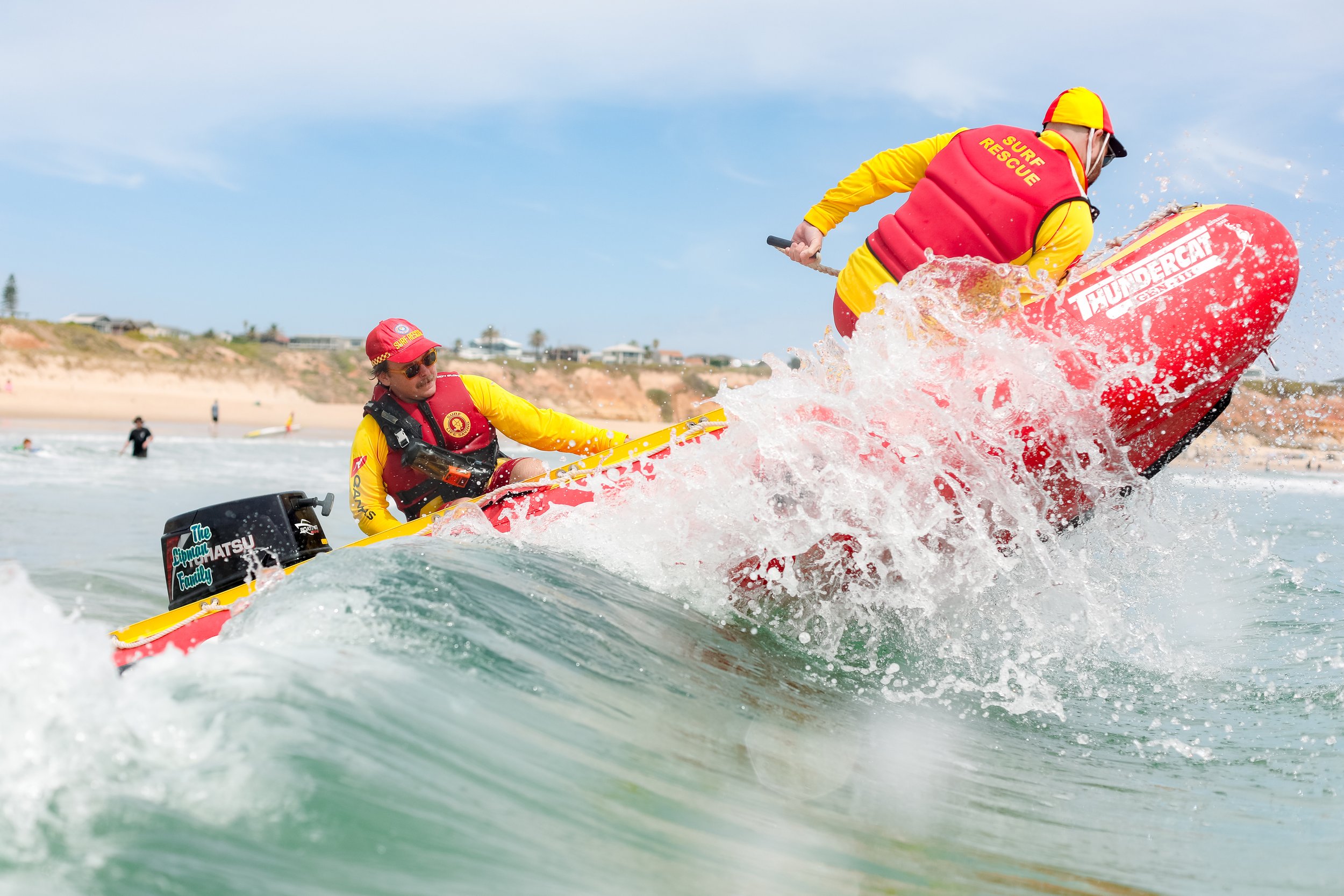
The Inflatable Rescue Boat (IRB) is a crucial piece of lifesaving equipment, operated by two people: the driver and the crew.
The IRB Crew course teaches you to operate an IRB safely during surf rescues and water safety activities. You’ll learn to help launch and recover the craft, assist with rescues, support safe operations, communicate effectively with the driver while operating in various surf conditions.
Where can it lead?
The IRB Crew Award can lead to the IRB Driver Award, IRB racing, event water safety, and broader Emergency Operations roles.
What are the requirements?
Minimum 15 years old
Hold a SLSA Bronze Medallion
Will I need to get wet?
Yes
This could suit you if you are:
Confident in the surf and around water
Calm, alert and able to react quickly
Comfortable with hands-on, physically active work
A clear communicator who can follow directions
Able to work closely with a driver as part of a two-person team
Interested in fast-paced rescue and water safety operations
inflatable Rescue Boat (IRB) Driver
What is it?
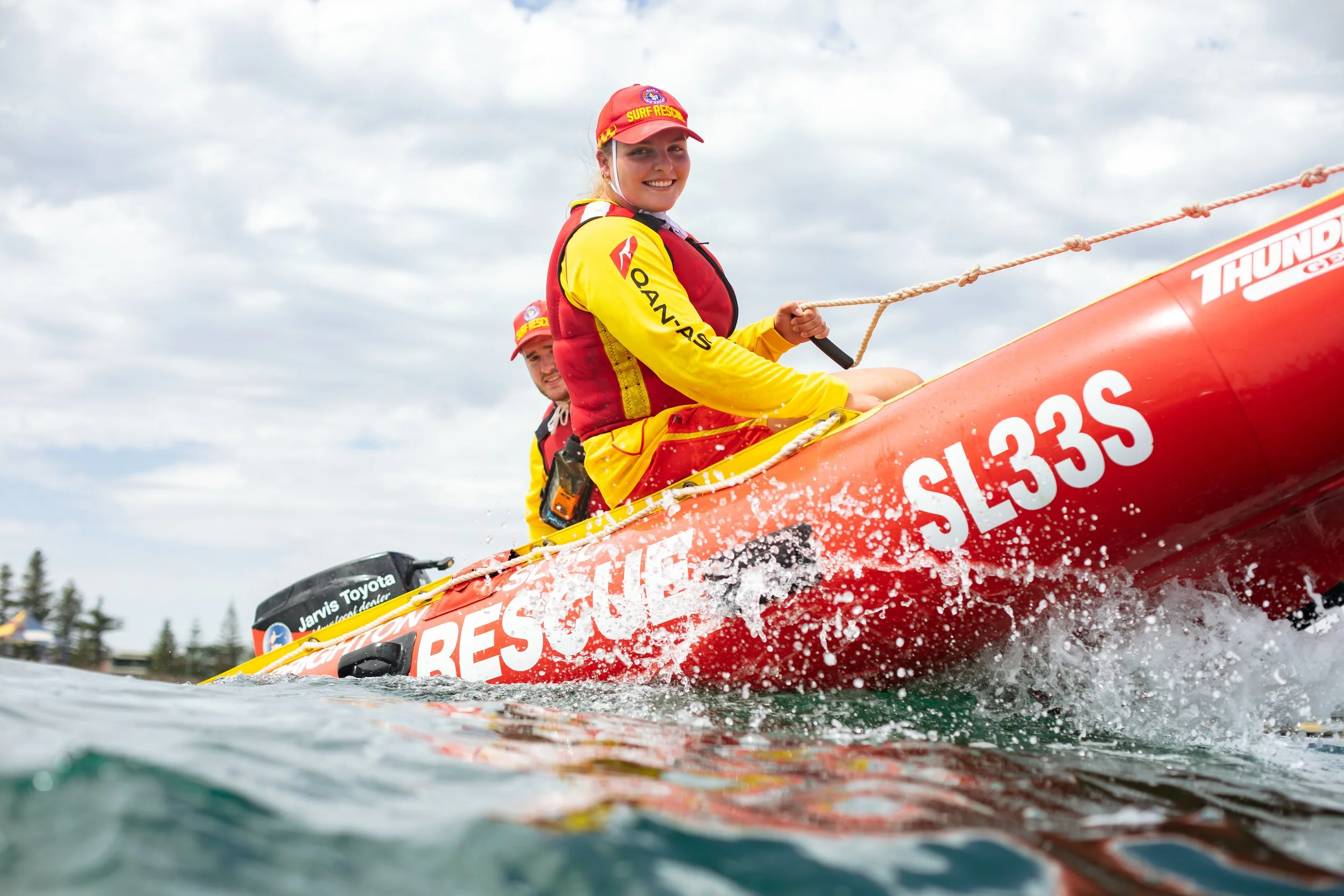
The Inflatable Rescue Boat (IRB) is a crucial piece of lifesaving equipment, operated by two people: the driver and the crew.
The IRB Driver course teaches you to operate an IRB safely during surf rescues and water safety activities. You’ll learn to launch and recover the craft, navigate various surf conditions, communicate with your crew and manage the craft during rescue operations.
Where can it lead?
IRB Driver can lead to IRB racing, event water safety, and entry into the Emergency Operations Group.
What are the requirements?
Minimum 17 years old
Hold a SLSA Bronze Medallion
Hold an IRB Crew award
Hold a current SA boat licence
Will I need to get wet?
Yes
This could suit you if you are:
Calm and focused under pressure
Confident in the surf and around water
Comfortable taking responsibility for the craft and crew
A clear communicator who works well with others
Able to assess risks and make decisions in changing conditions
Experienced around boats and interested in developing your powercraft skills
Rescue Water Craft (JetSki)
What is it?
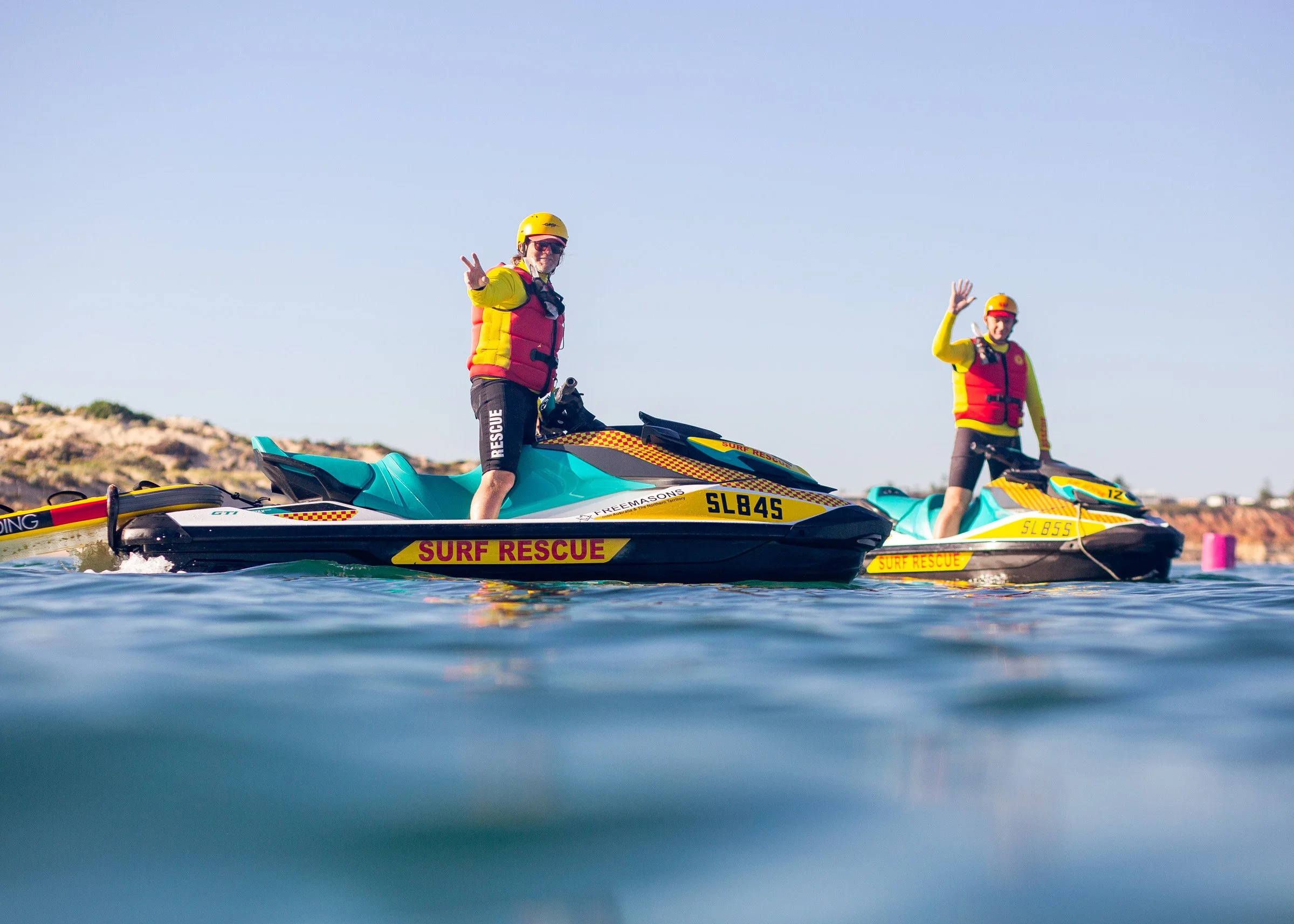
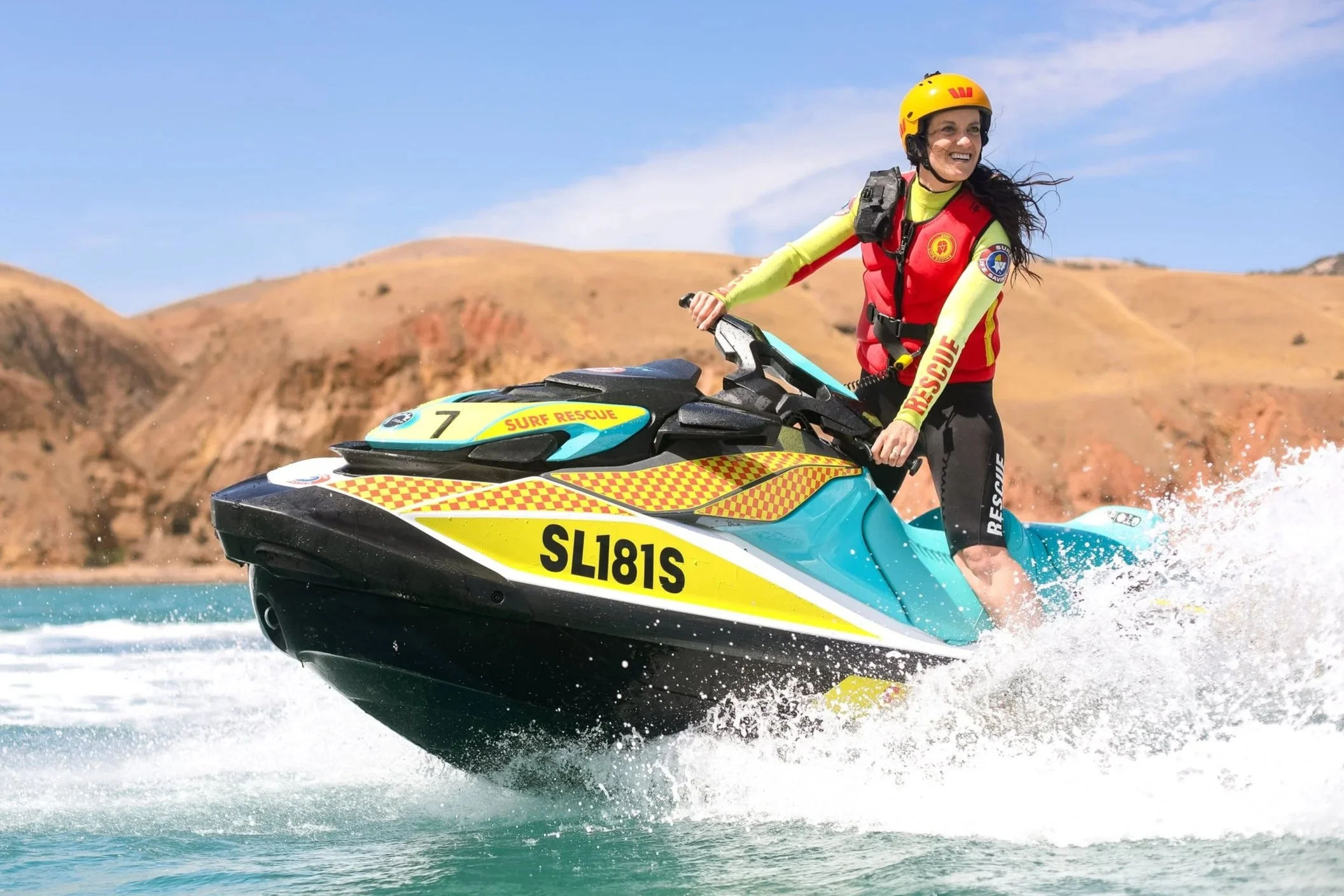
The Rescue Watercraft (RWC) Operator pathway prepares experienced lifesavers to operate jet skis for coastal patrols, surveillance and high-speed rescues across large stretches of coastline, including areas between patrolled beaches. You’ll develop advanced watercraft and rescue skills for responding in challenging coastal conditions. As a frontline responder, you’ll work closely with on-beach lifesavers, Sea Rescue and SA Water Police.
Where can it lead?
This can support progression into broader Emergency Operations and operational leadership roles.
What are the requirements?
Minimum 18 years old
Hold a Provide First Aid HLTAID011
Hold a SLSA Bronze Medallion
Hold an Advanced Resuscitation Techniques award
Hold a current driver's licence
Hold a current SA boat licence
Will I need to get wet?
Yes
This could suit you if you are:
Highly confident in surf and open-water environments
Calm, focused and able to react quickly under pressure
Comfortable taking responsibility as a frontline responder
A clear communicator who can coordinate with multiple teams
Able to assess risks and make decisions in changing coastal conditions
Experienced operating jet skis or similar watercraft, particularly in surf conditions
Jet Rescue Boat (JRB) Crew
What is it?
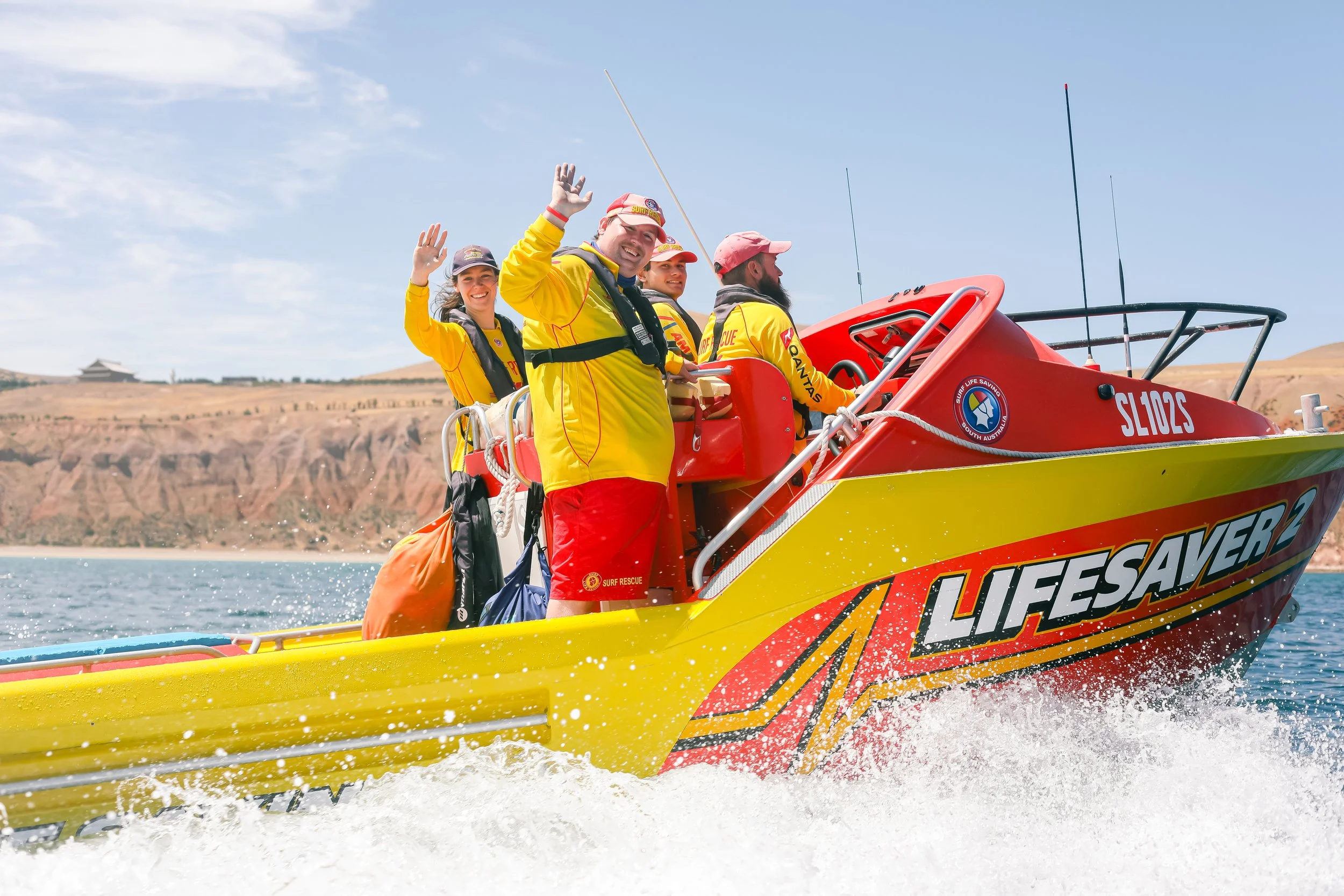
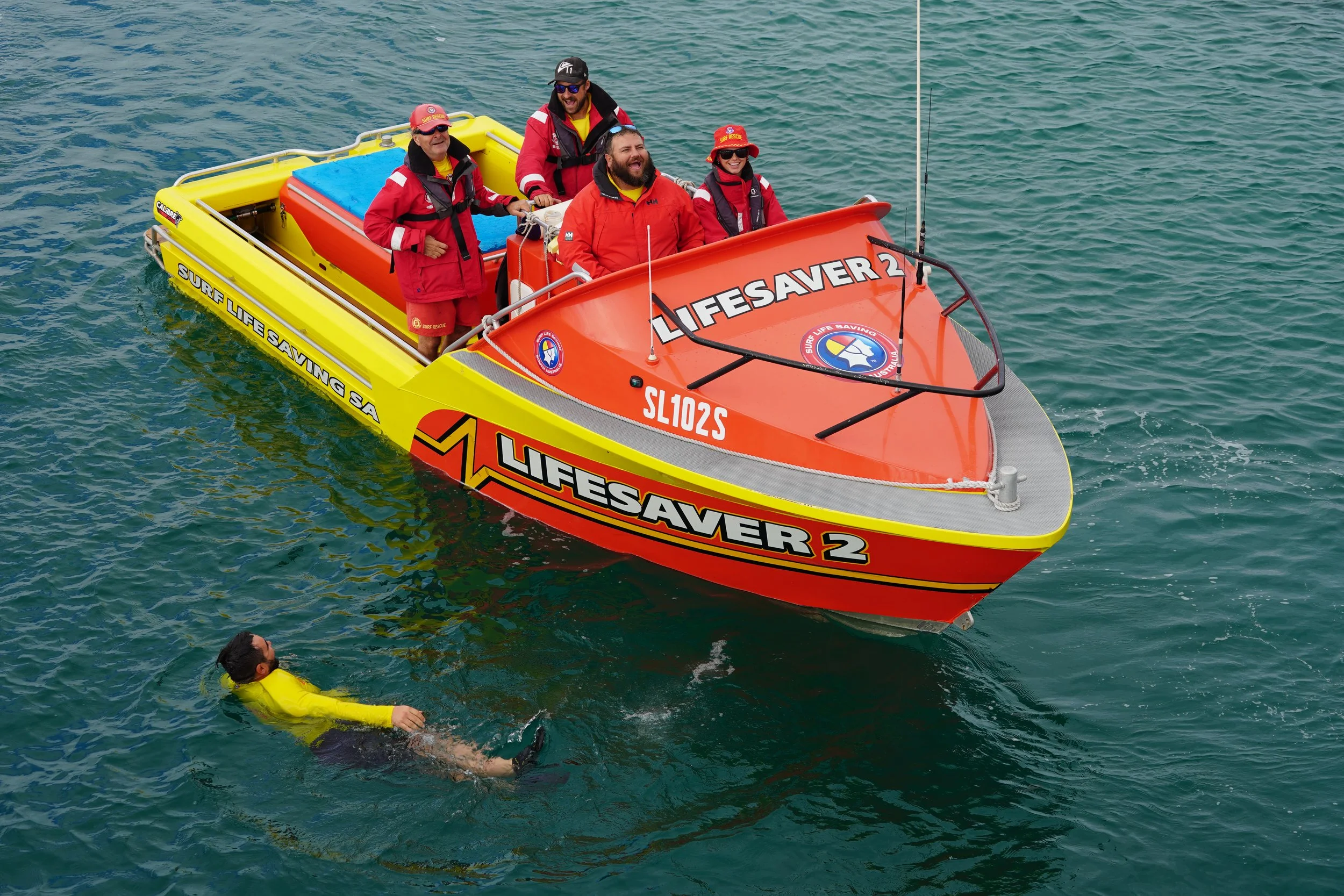
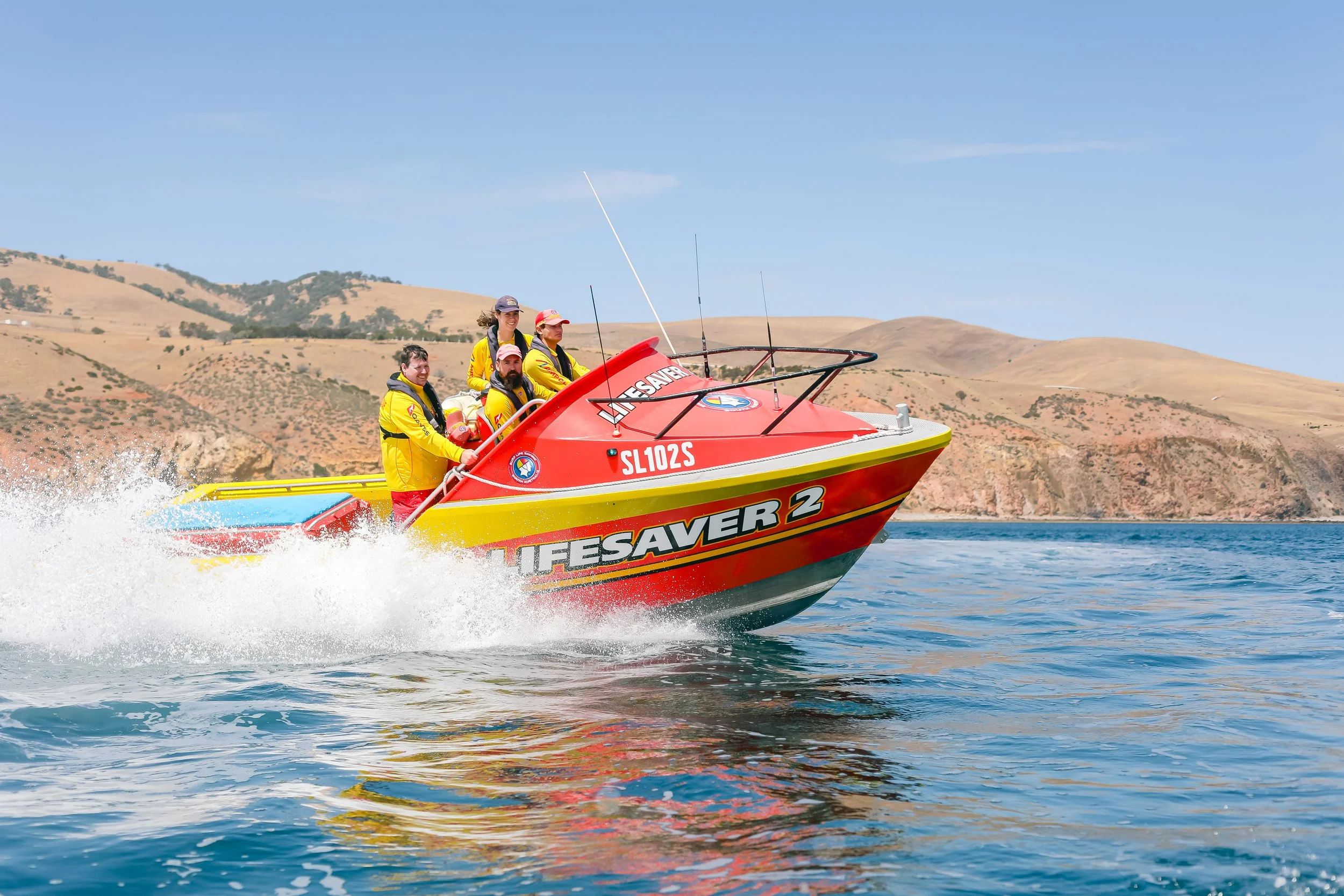
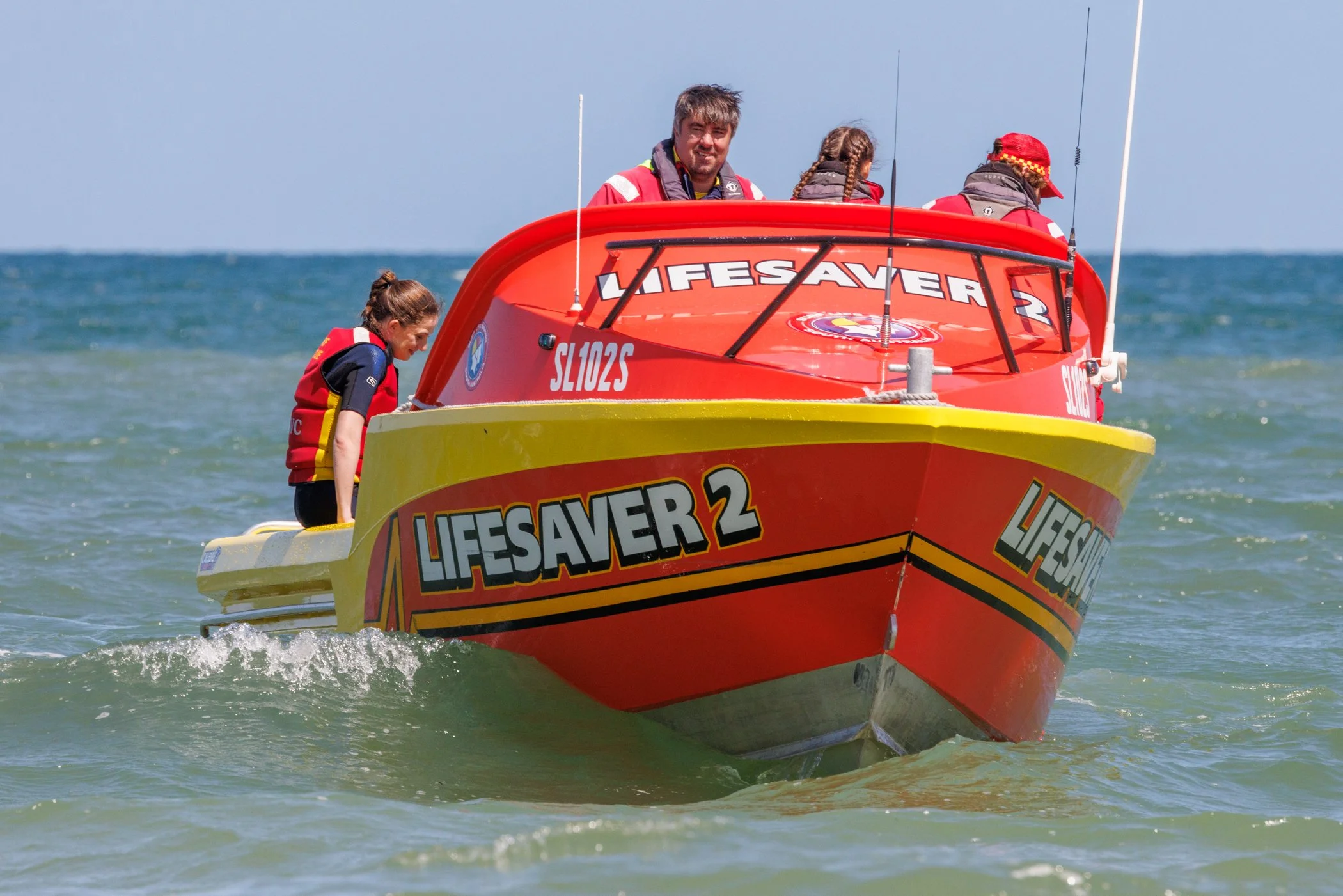
A Jet Rescue Boat (JRB) is a specialised, high-speed watercraft powered by a water jet propulsion system instead of a traditional propeller. It is equipped with search and rescue imaging and mapping systems, safety gear and radio communications capability. It carries a variety of retrieval and paramedical lifesaving equipment including oxygen, defibs, trauma first aid and rescue gear. It is operated by one driver and several crew members.
The JRB Crew pathway prepares you to support coastal surveillance, roving patrols and rapid-response rescues across large stretches of coastline, including areas between patrolled beaches. You’ll build advanced rescue skills while assisting the driver with navigation, communication, emergency response and the safe operation of the craft. This is a high-impact, fast-paced role which requires strong training, quick decision-making, and expert handling of lifesaving equipment.
Where can it lead?
JRB Crew can lead to JRB Driver and other advanced coastal response roles.
What are the requirements?
Minimum 18 years old
Hold a SLSA Bronze Medallion
Hold a current driver’s licence
Will I need to get wet?
Yes
This could suit you if you are:
Calm, alert and able to respond quickly under pressure
Confident in surf and open-water environments
A clear communicator who can follow directions
Able to work closely as part of a highly trained crew
Experienced around boats and comfortable aboard a fast-moving craft
Comfortable using specialist rescue and communications equipment
Interested in advanced coastal rescue and emergency response
Jet Rescue Boat (JRB) Driver
What is it?
A Jet Rescue Boat (JRB) is a specialised, high-speed watercraft powered by a water jet propulsion system instead of a traditional propeller. It is equipped with search and rescue imaging and mapping systems, safety gear and radio communications capability. It carries a variety of retrieval and paramedical lifesaving equipment including oxygen, defibs, trauma first aid and rescue gear. It is operated by one driver and several crew members.
The JRB Driver pathway prepares experienced members to operate the craft during coastal surveillance, roving patrols and rapid-response rescues across large stretches of coastline, including areas between patrolled beaches. You’ll develop advanced boat-handling and navigation skills while leading the crew, coordinating emergency responses and ensuring the safe operation of the craft. It’s a fast-paced, high-responsibility role requiring extensive training, confident decision-making and advanced powercraft experience.
Where can it lead?
JRB Driver can lead to other advanced coastal response roles.
What are the requirements?
Minimum 18 years old
Hold a SLSA Bronze Medallion
Hold an IRB Crew award
Have held a JRB Crew award for a minimum of two years
Hold a current SA boat licence
Hold a current driver’s licence
Will I need to get wet?
Yes
This could suit you if you are:
An experienced and confident boat operator, including in coastal conditions
Calm, focused and able to respond quickly under pressure
A strong communicator who is comfortable leading a crew
Able to assess risks and make decisions in changing conditions
Confident navigating and maintaining awareness of your surroundings
Comfortable taking responsibility for the craft, crew and rescue operations
Safety-conscious and interested in advanced coastal response
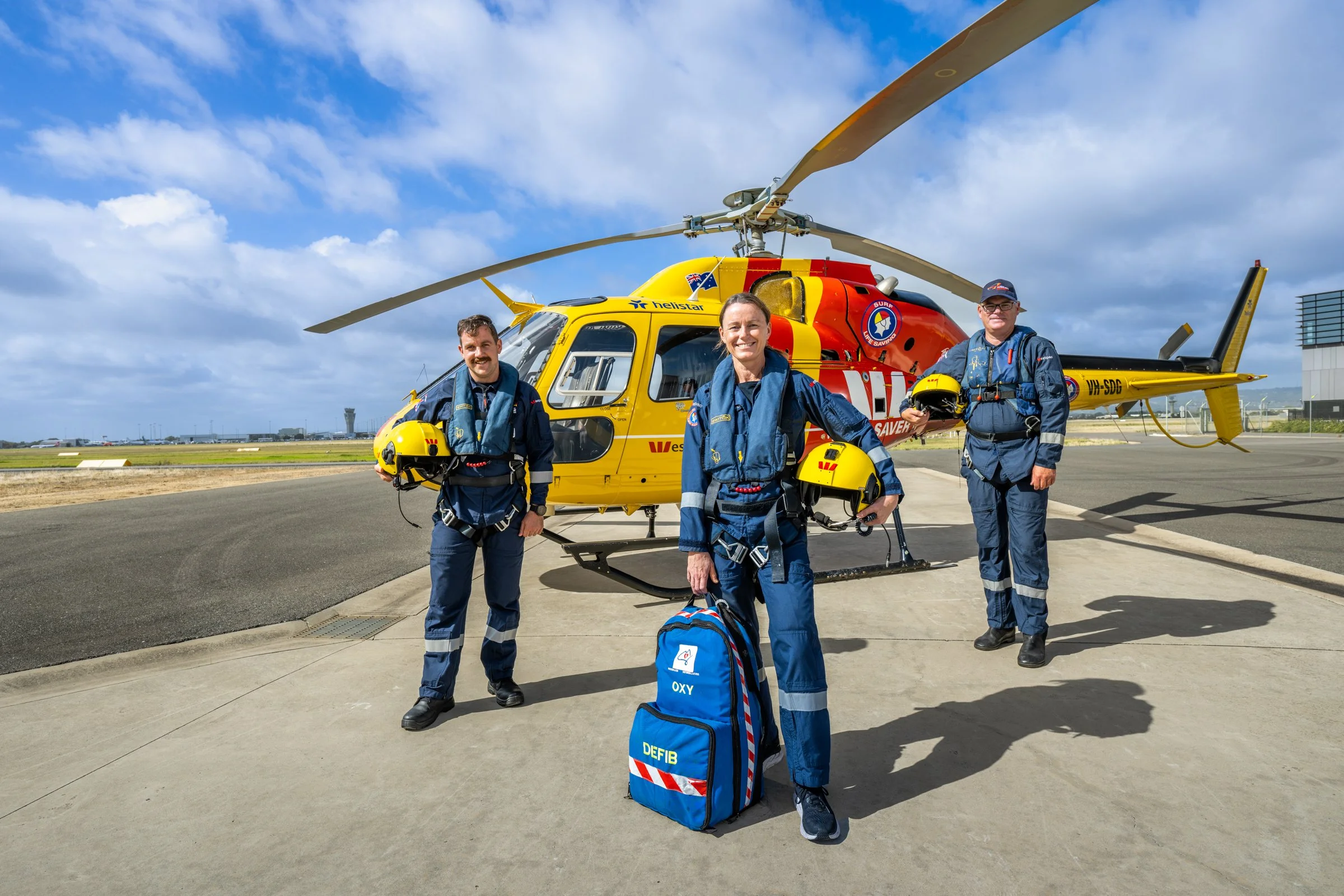
westpac Lifesaver Rescue Helicopter Service (WLRHS) Crew member
What is it?
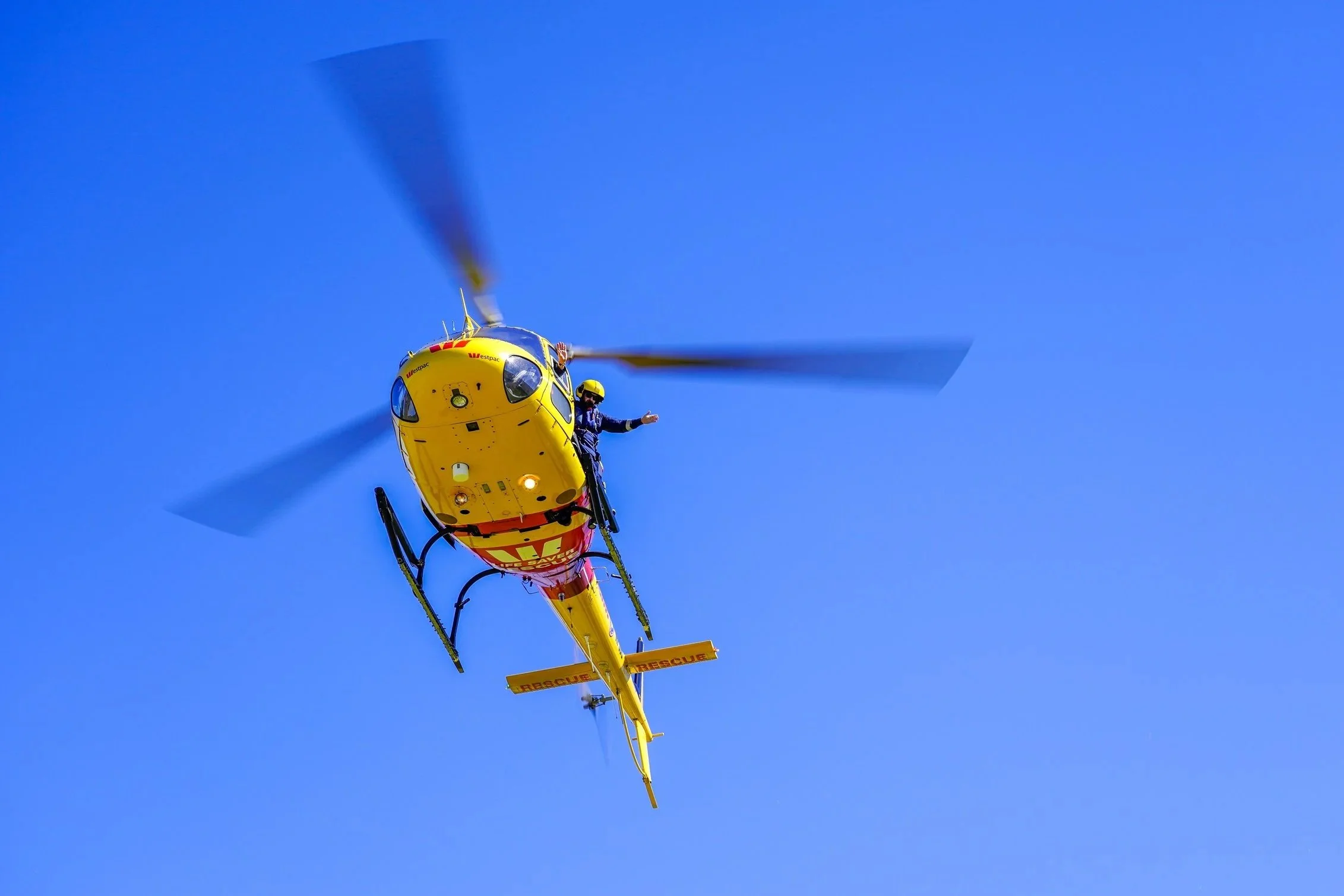
The Westpac Lifesaver Rescue Helicopter Service carries out aerial surveillance, search and rescue missions, and beach patrols along the state's coastline from North Haven to Goolwa. The crew also supports school and community landings and water safety events across metropolitan and regional South Australia, including Beachport, Robe and Whyalla. As a crew member, you have the unique opportunity to upskill and transition your beach patrol expertise into aerial search and rescue operations, working alongside a highly-trained and committed team.
What are the requirements?
Minimum 18 years old
Hold a SLSA Bronze Medallion
Hold an IRB Crew Award
Hold an Advanced Resuscitation Techniques Award
Hold Provide First Aid (HLTAID011)
Hold a current driver’s licence
Successfully complete the annual WLRHS Crew Fitness Test
Will I need to get wet?
Occasionally
This could suit you if you are:
Calm and focused in high-pressure emergency situations
Comfortable flying and working at heights
A clear and confident communicator
Able to work as part of a small, highly coordinated crew
Safety-focused and able to follow precise operational procedures
Unmanned Aerial Vehicle (UAV) Pilot
What is it?
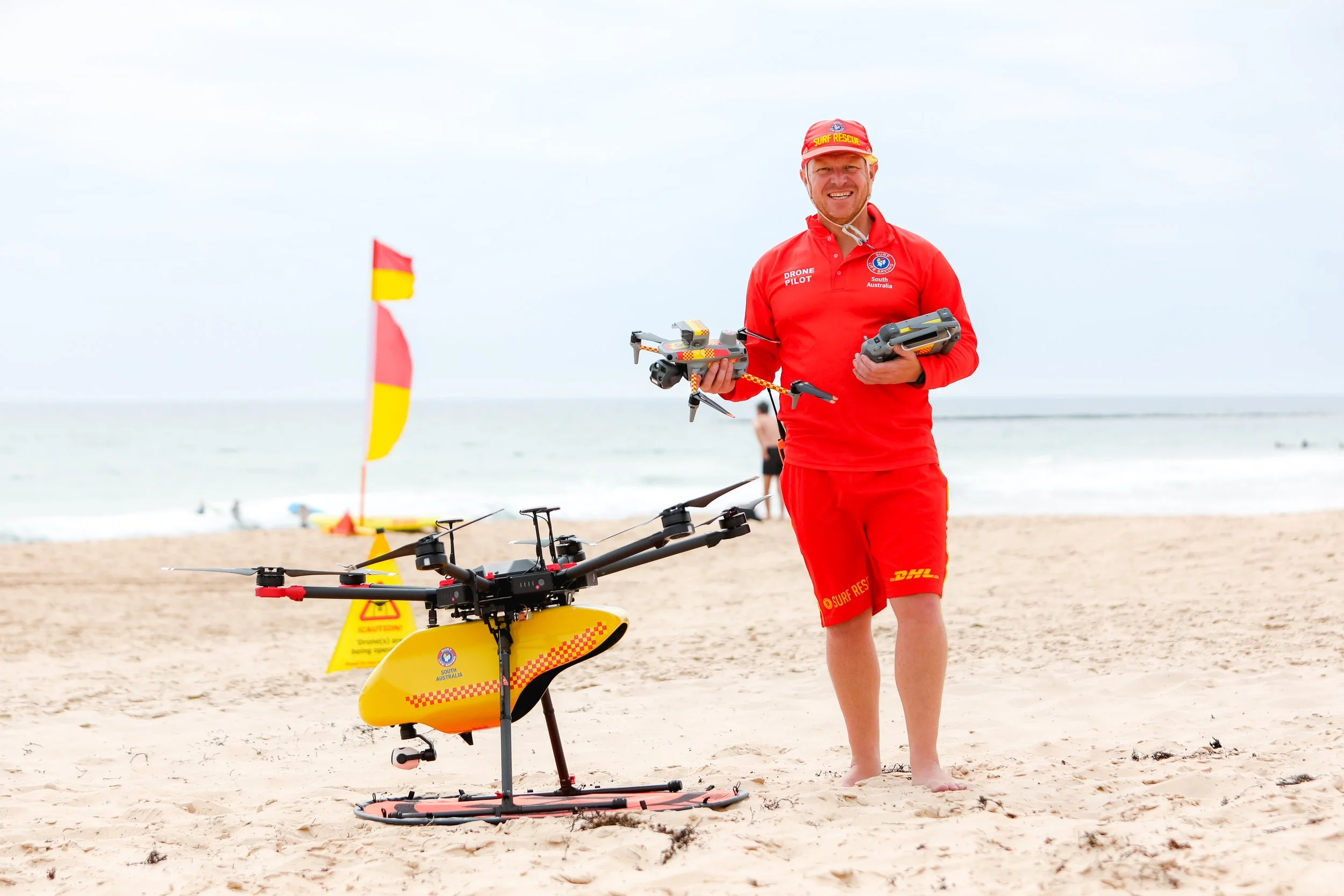
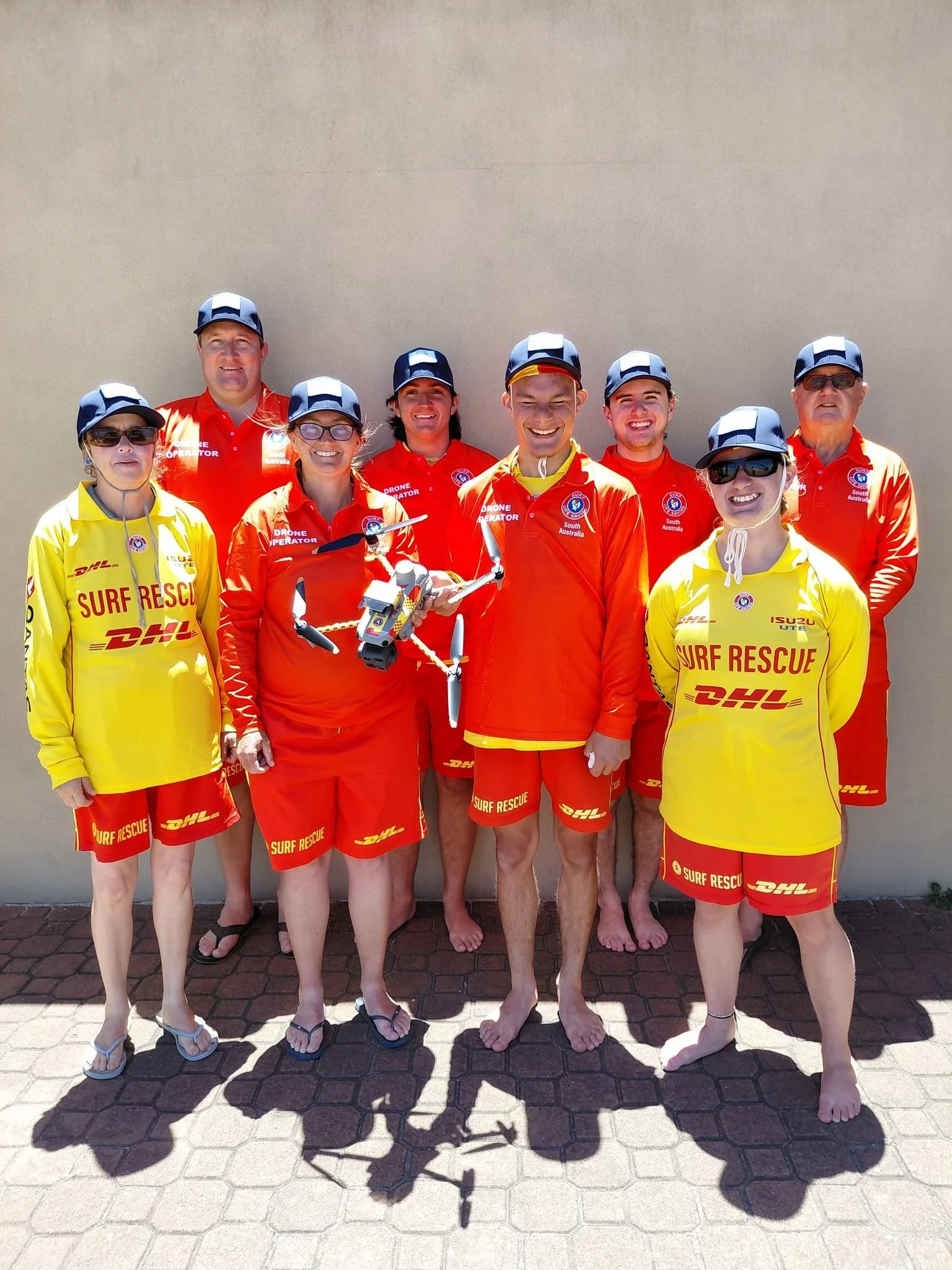
The UAV, or Drone, Operator course teaches you to use remotely piloted aircraft systems to support patrol and beach safety operations. You'll learn to identify hazards, assist with surveillance and provide information that can support rescue responses, making it a practical technology-focused role that does not require entering the water.
Where can it lead?
This can support progression into further aerial surveillance, search and rescue, incident support and broader Emergency Operations opportunities.
What are the requirements?
Minimum 17 years old
Hold a SLSA Bronze Medallion or a combination of the Observer's Award and Radio Award
Hold a current driver’s licence
Will I need to get wet?
No
This could suit you if you are:
Observant with strong attention to detail
Comfortable using technology and learning new systems
Calm and focused when monitoring changing conditions
Able to communicate clear and accurate information
Able to work independently and as part of a team
Interested in an operational role that does not require entering the water
State Operations Centre (SOC)
What is it?
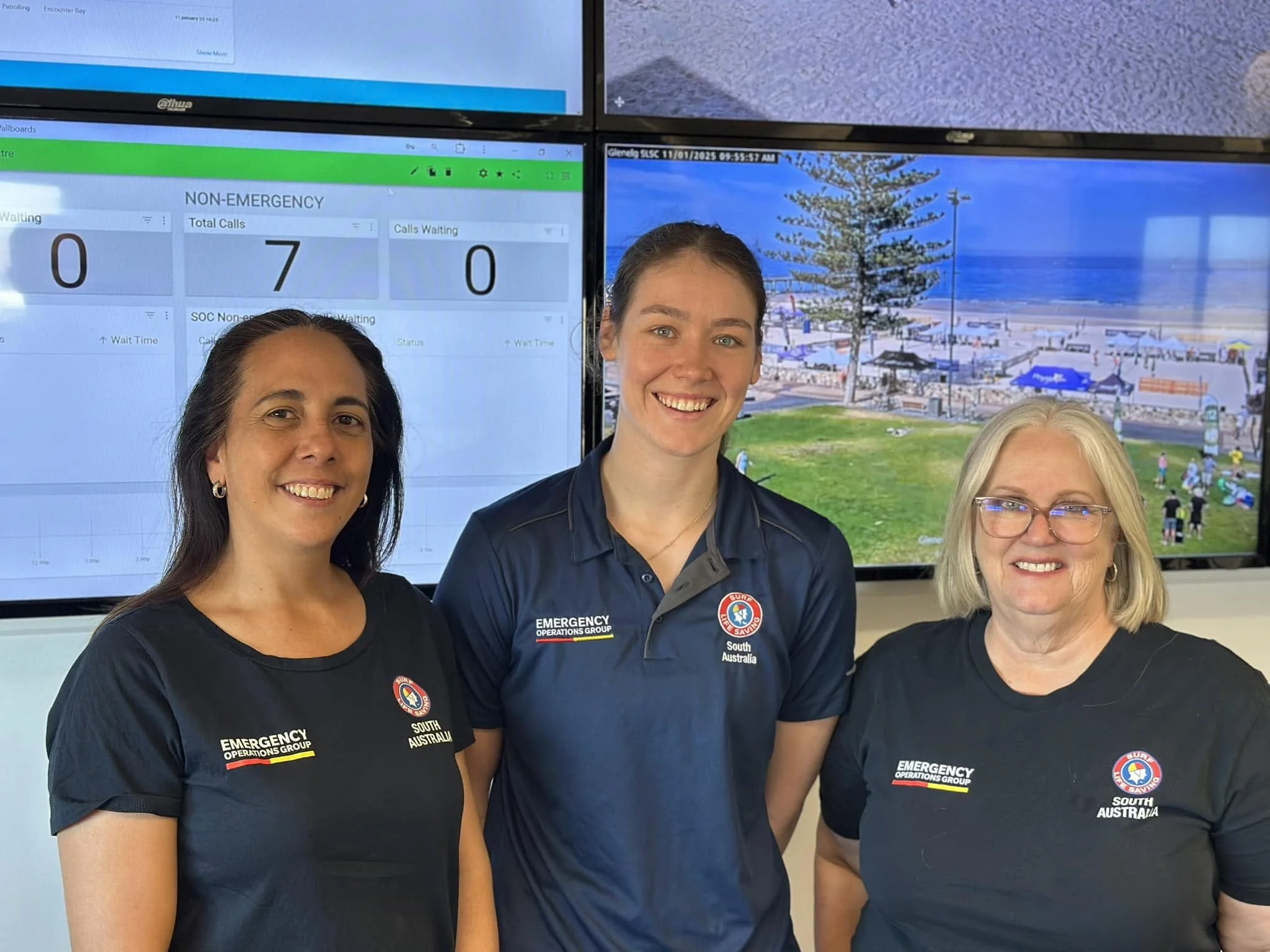
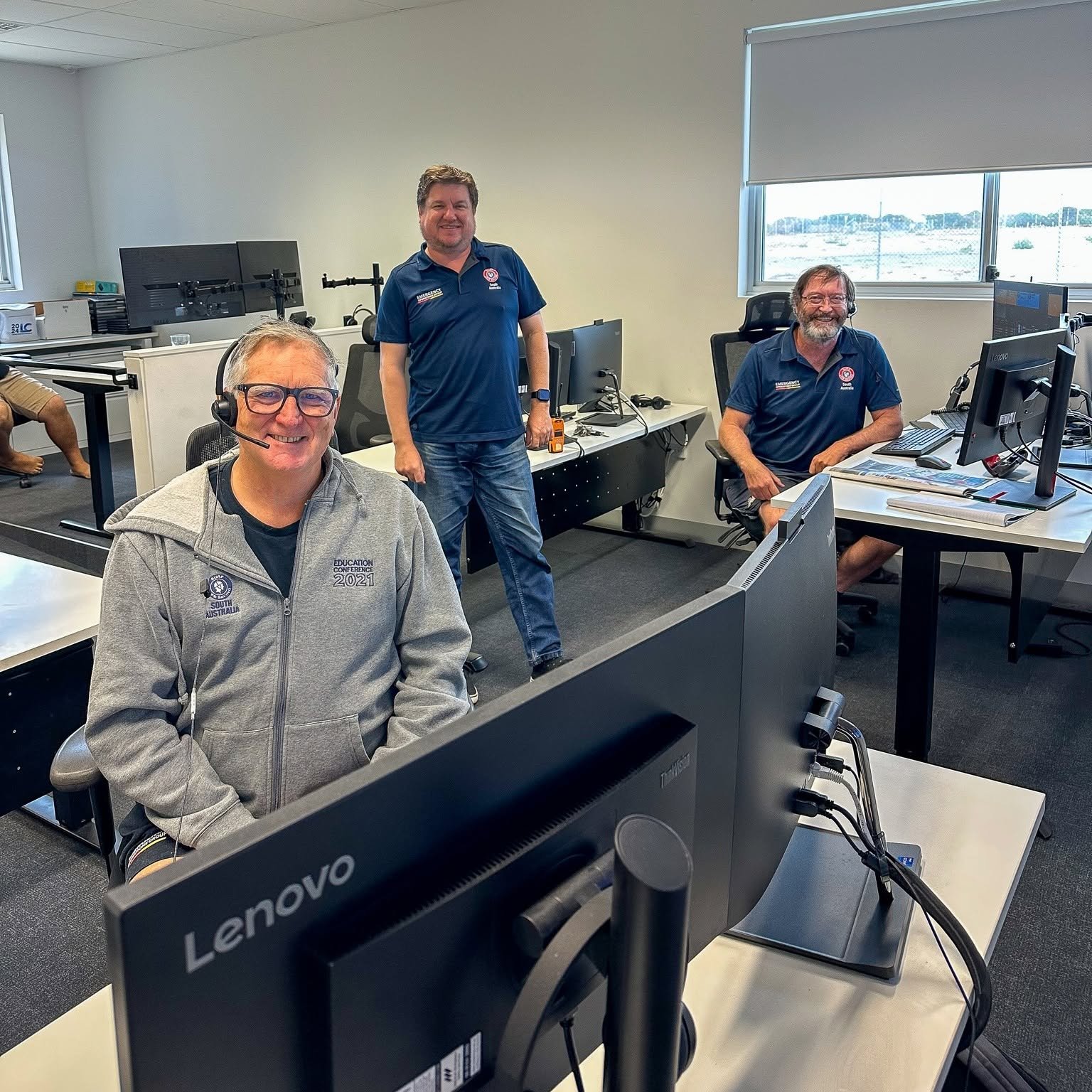
The State Operations Centre (SOC) team delivers essential communication and incident support from Surf Central. You'll use geospatial tools, CCTV, data, and incident reporting systems to monitor activity, identify high-risk areas and support informed operational decision-making in an environment away from the beach.
Where can it lead?
This can support progression into incident coordination, logistics, systems management and broader Emergency Operations roles.
What are the requirements?
Minimum 16/17 years old?
Complete the required SOC induction and role-specific training
Will I need to get wet?
No
This could suit you if you are:
Interested in supporting lifesaving operations from behind the scenes
Calm, organised and able to prioritise under pressure
A clear communicator with strong reporting skills
Accurate and attentive to detail
Comfortable using technology, data and mapping systems
Experienced in or interested in radio communications
Able to interpret information and maintain situational awareness
Comfortable working closely with clubs and emergency services
Duty Officer
What is it?
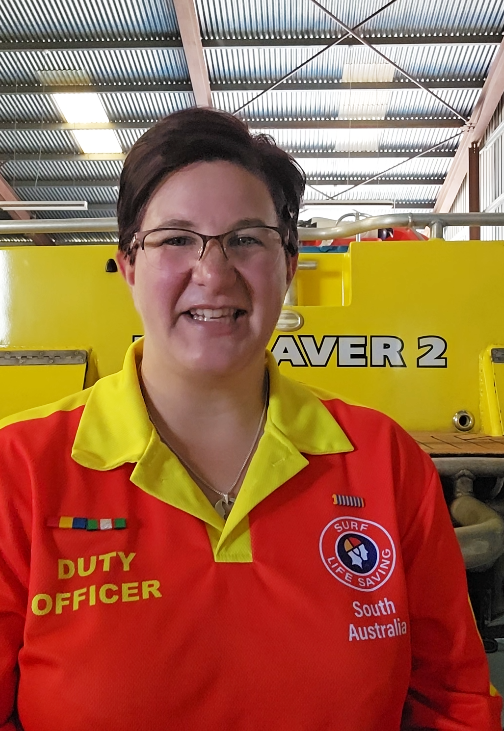
The Duty Officer role plays a critical leadership role in Surf Life Saving, overseeing the coordination, readiness, and deployment of rescue watercraft such as IRBs and jet skis during emergencies. You'll ensure all equipment is operational, crews are properly trained, and coordinate fast, safe and effective communications. You’ll also liaise with other emergency services, provide real-time support during incidents, and help manage during patrols, major events and emergencies.
What are the requirements?
Minimum ?? years old
Extensive experience in lifesaving and Emergency Operations
Experience in at least one other Emergency Operations role
Strong knowledge of operational procedures and incident response
Will I need to get wet?
Occasionally
This could suit you if you are:
An experienced lifesaver ready to take on senior operational responsibility
Calm, decisive and able to think clearly under pressure
Able to assess complex situations and coordinate resources
A strong communicator who can liaise with clubs and emergency services
An approachable and trusted leader
Able to work independently while supporting a wider response team
Experienced in incident management, reporting and debriefing
Interested in mentoring and supporting other lifesavers
Ready to start your journey?
Find a club
Click here to find a club near you!
Contact us
If you have any further inquiries, please feel free to reach out to us via slssa.lifesaving@surflifesavingsa.com.au or by calling 8354 6900 during office hours.