
COMPETITION OPPORTUNITIES
Put your lifesaving skills to the test through a huge range of surf sports competition opportunities. From Nippers through to Youth, Open and Masters, competitors of all abilities and experience levels can take part in individual and team events across beach, ocean, pool, craft and traditional lifesaving disciplines. Whether you’re entering your first club carnival, competing at state or national level, or pursuing a high-performance pathway, there’s something for you.
To compete, you’ll need to join a club, become a registered member and meet the applicable minimum patrol-hour requirements.
Ocean Disciplines
Put your lifesaving skills to the test through a huge range of surf sports competition opportunities. From Nippers through to Youth, Open and Masters, competitors of all abilities and experience levels can take part in individual and team events both in and out of the water, across beach, ocean, pool, craft and traditional lifesaving disciplines. Whether you’re entering your first club carnival, competing at state or national level, or pursuing a high-performance pathway, there’s something for you.
Water Events
Board Race & Board Relay
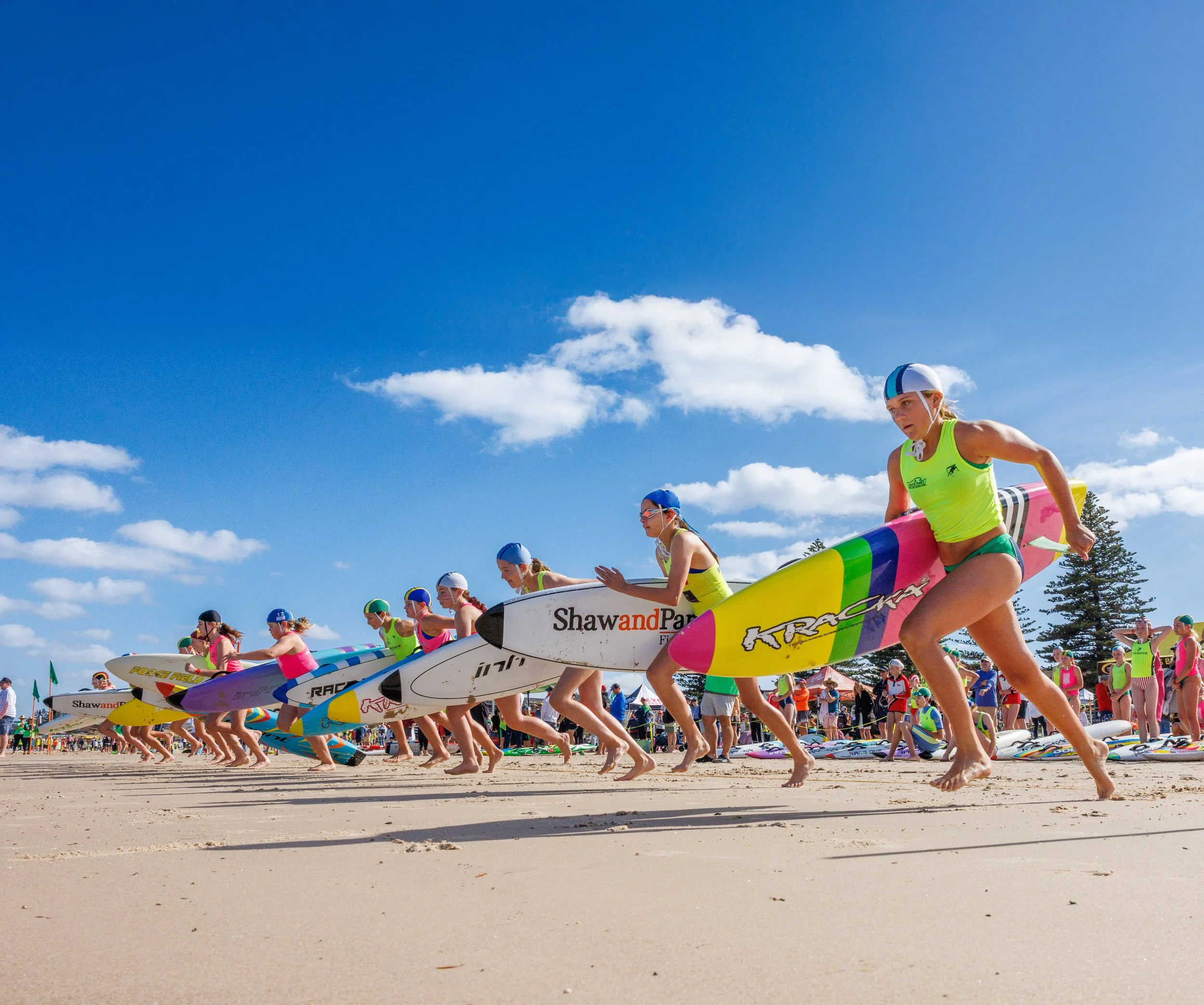
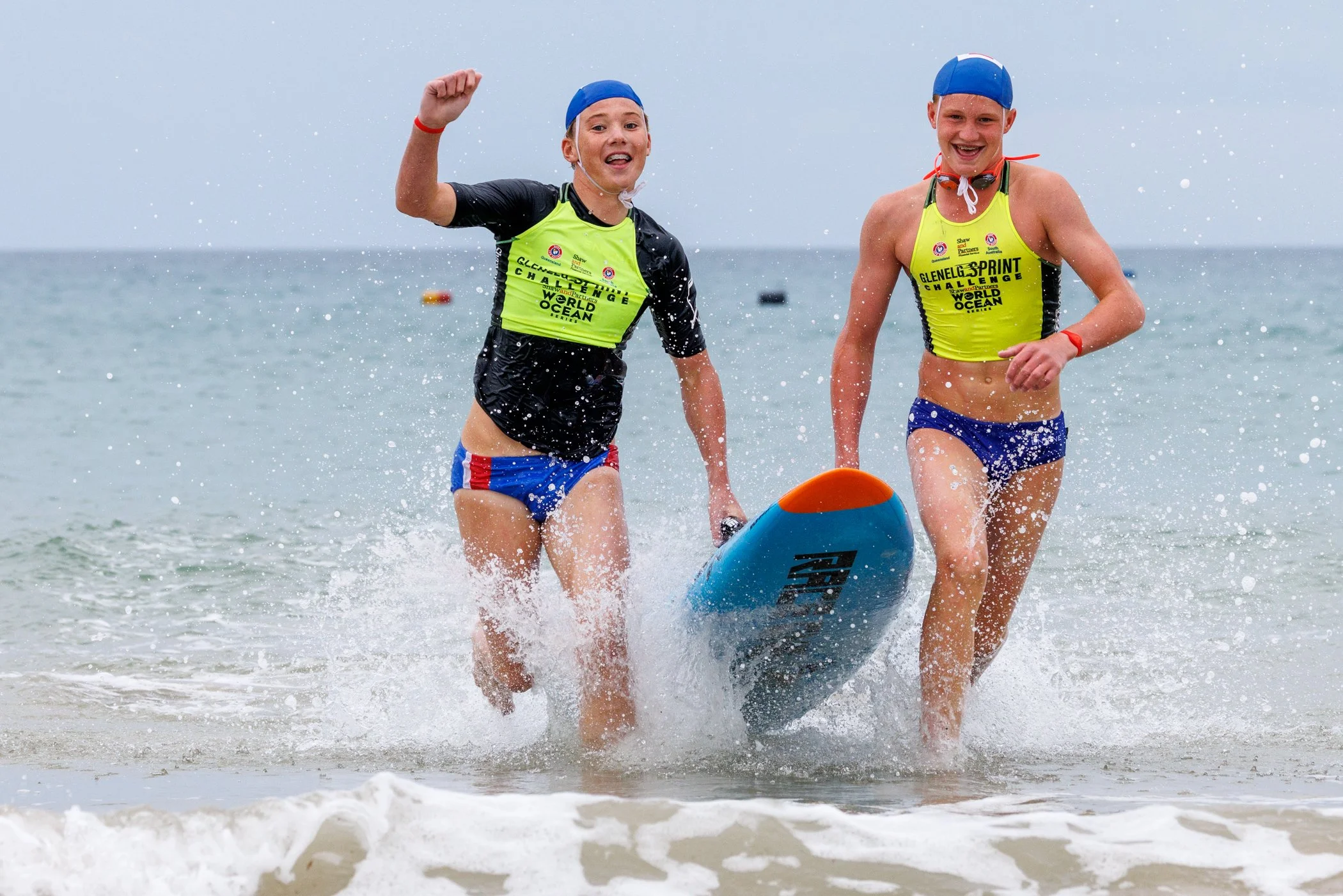
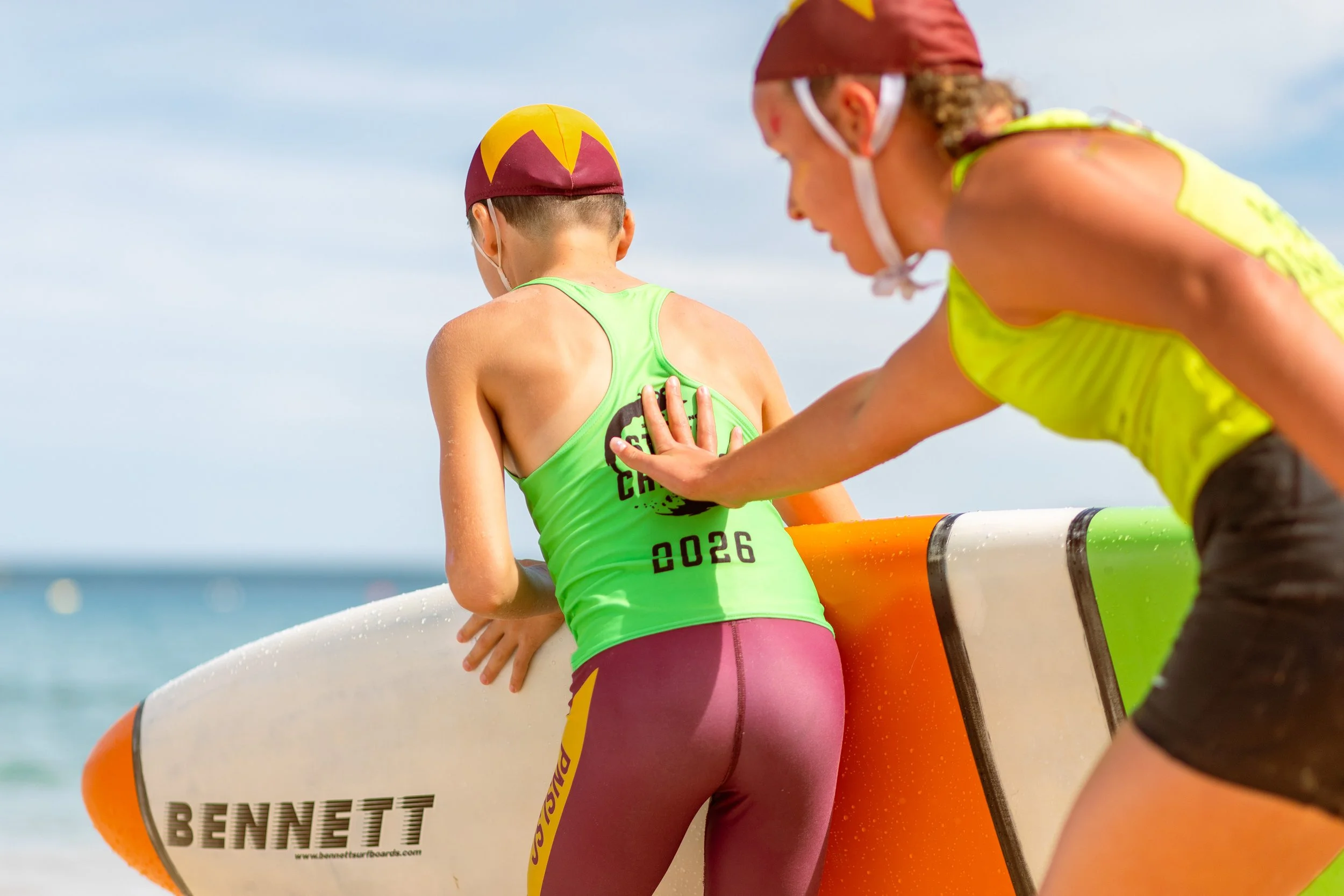
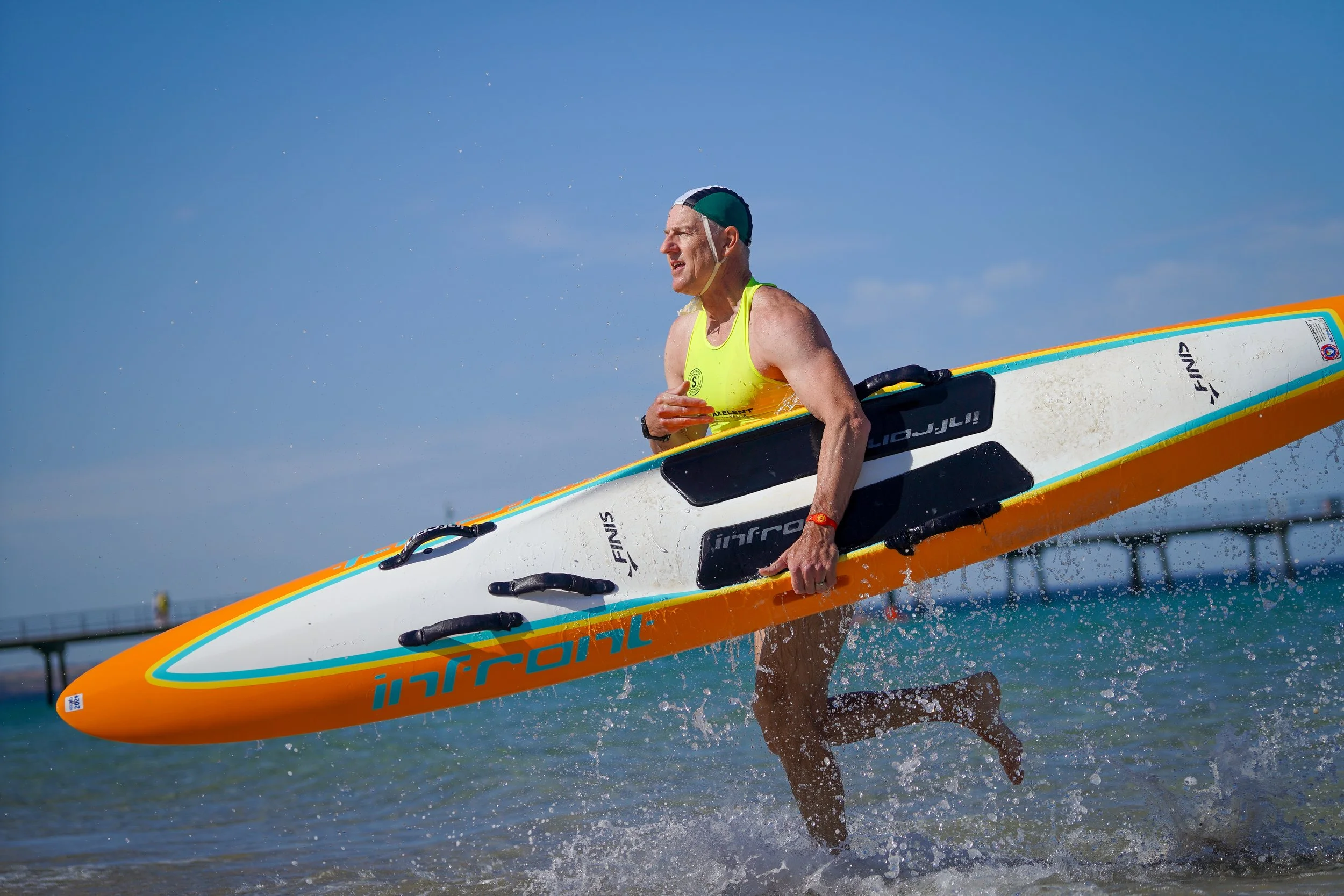
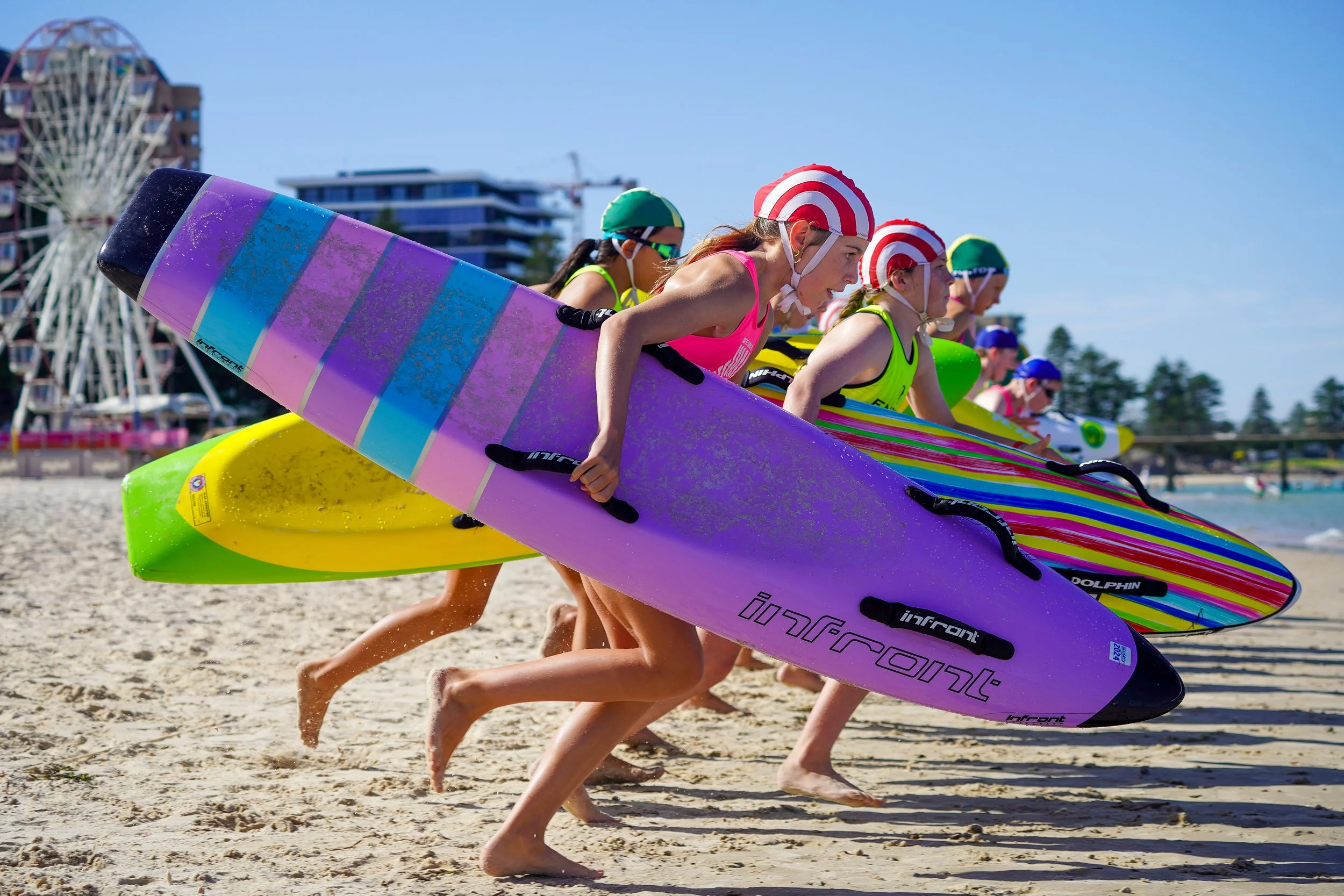
From a standing start on the beach, competitors enter the water with their racing board, paddle around the designated buoys and return to shore. The first competitor to cross the finish line on their feet while maintaining contact with their board wins. The Board Relay follows the same format and is contested in teams of three.
Ski Race, Double Ski Race & Ski Relay
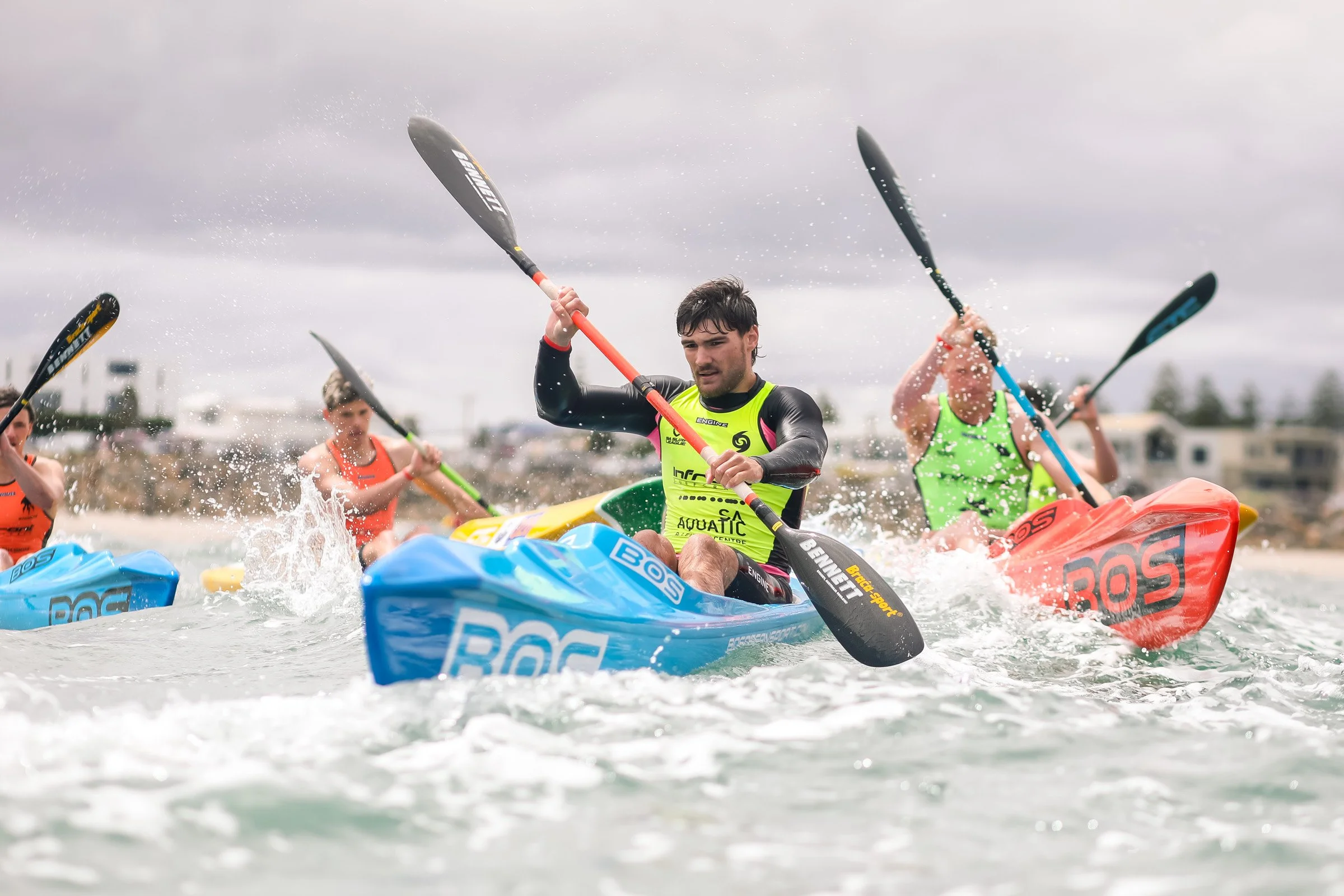
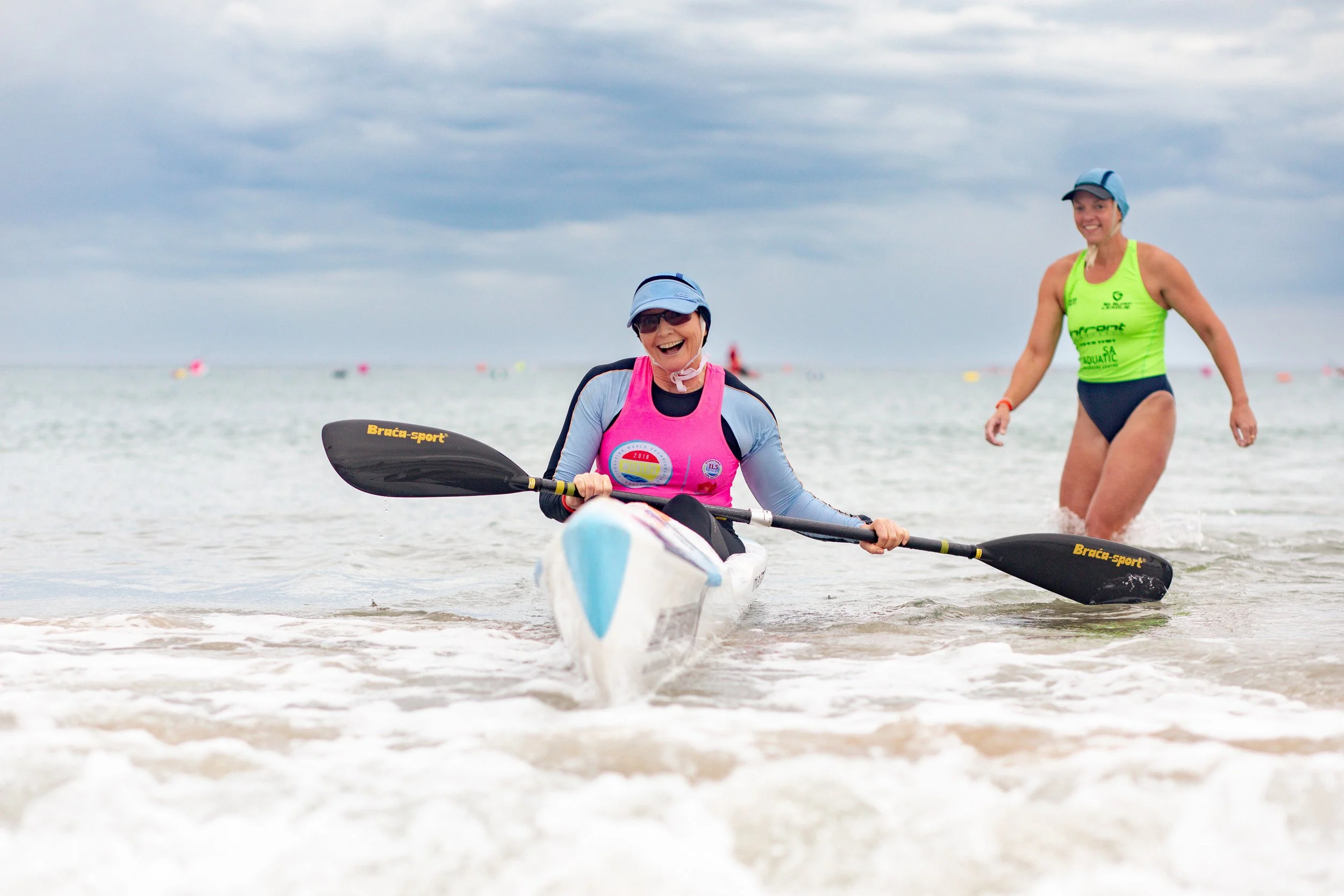
From a floating start, competitors paddle their surf ski around three buoys before returning to the finish line. A competitor finishes when any part of the ski crosses the line, provided they remain in contact with both the ski and paddle. Ski events may be contested individually or in pairs, while the Ski Relay is contested in teams of three.
Board Rescue
This two-person event pairs a swimmer with a racing board paddler. The swimmer races to their allocated buoy and signals for the paddler, who enters the water and collects them. The pair then paddle back to shore together and cross the finish line.
Surf Race & Surf Teams
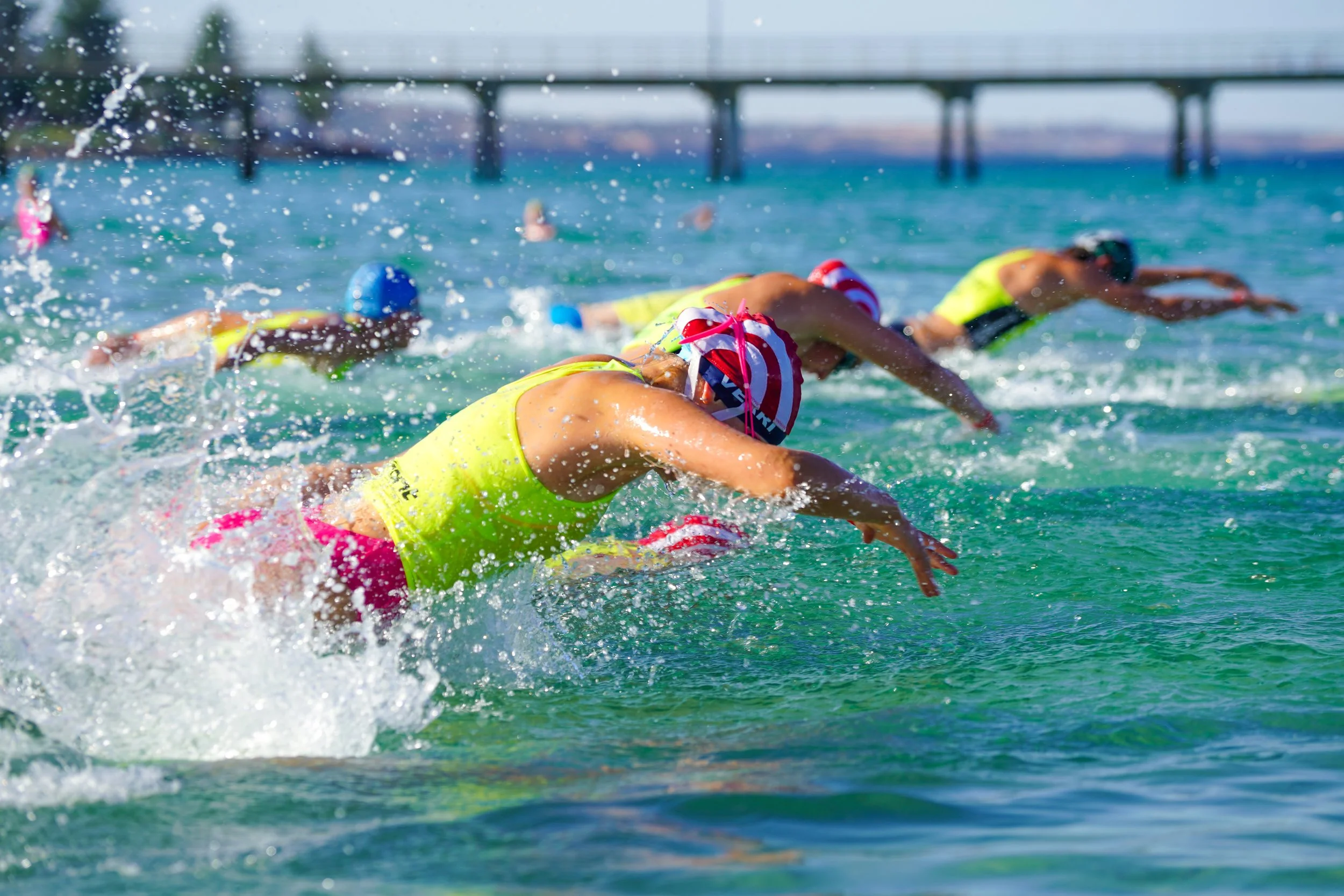
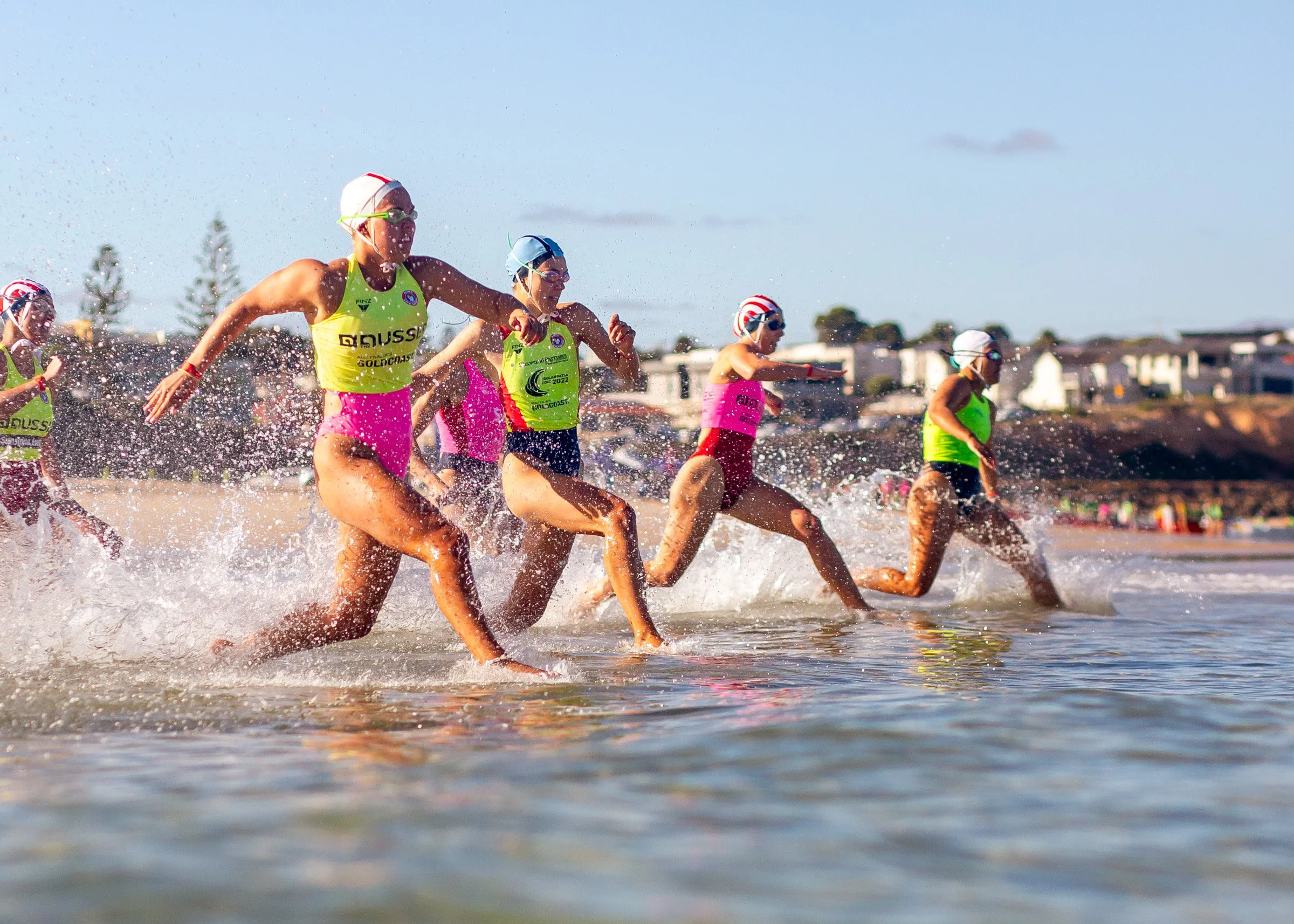
From a standing start on the beach, competitors complete a 400-metre course by running and wading into the water, swimming around a set of buoys and returning to shore for a final run to the finish line. In the Surf Teams event, clubs enter multiple competitors in the same race, with the winning team determined by the combined placings of its members.
Wade & Wade Relay (Juniors)
Competitors run into knee-deep water and around an allocated turning marker before wading, duck-diving or swimming parallel to the beach towards a second marker. They then return to shore and run to the finish line. The Wade Relay follows the same course and is contested in teams of four.
Multi-Discipline
Ironman & Ironwoman
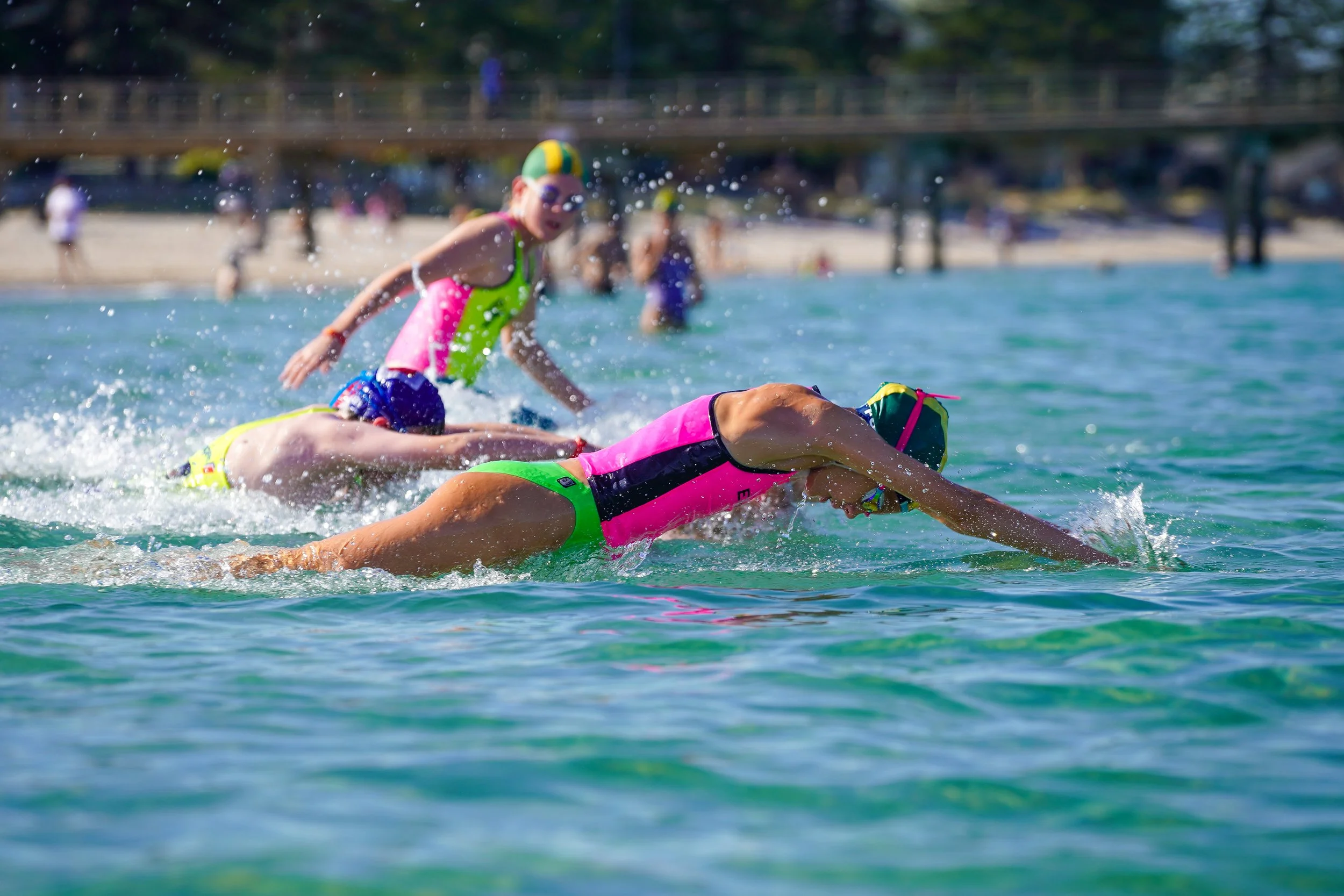
Competitors complete three water legs consisting of swimming, surf ski and racing board before finishing with a beach sprint to the line. The order of the water legs may vary and is determined by a draw before the event.
Taplin Relay
Teams of swimmers, board paddlers and ski paddlers complete an Ironman course as a relay, with the order of the water legs determined by a draw before the event. The race may be contested in teams of three, with one competitor completing each water leg; teams of six, with two competitors per discipline; or teams of four, with one competitor per water leg and a beach sprinter completing the race.
Cameron Relay
The Cameron Relay is the junior equivalent of the Taplin Relay. Teams consist of a board paddler, a swimmer and two runners, who complete the race in a water, run, water, run format. The order of the two water legs is determined by a draw.
Lifesaver Relay
Nine team members complete a course featuring surf boat, surf ski, racing board, swim and beach sprint legs. The surf boat leg always begins the event and the beach sprint always finishes it, while the order of the remaining water legs is determined by a draw. Each water leg follows a course from the beach, around designated buoys and back to shore, where the next competitor is tagged.
Surf Boats
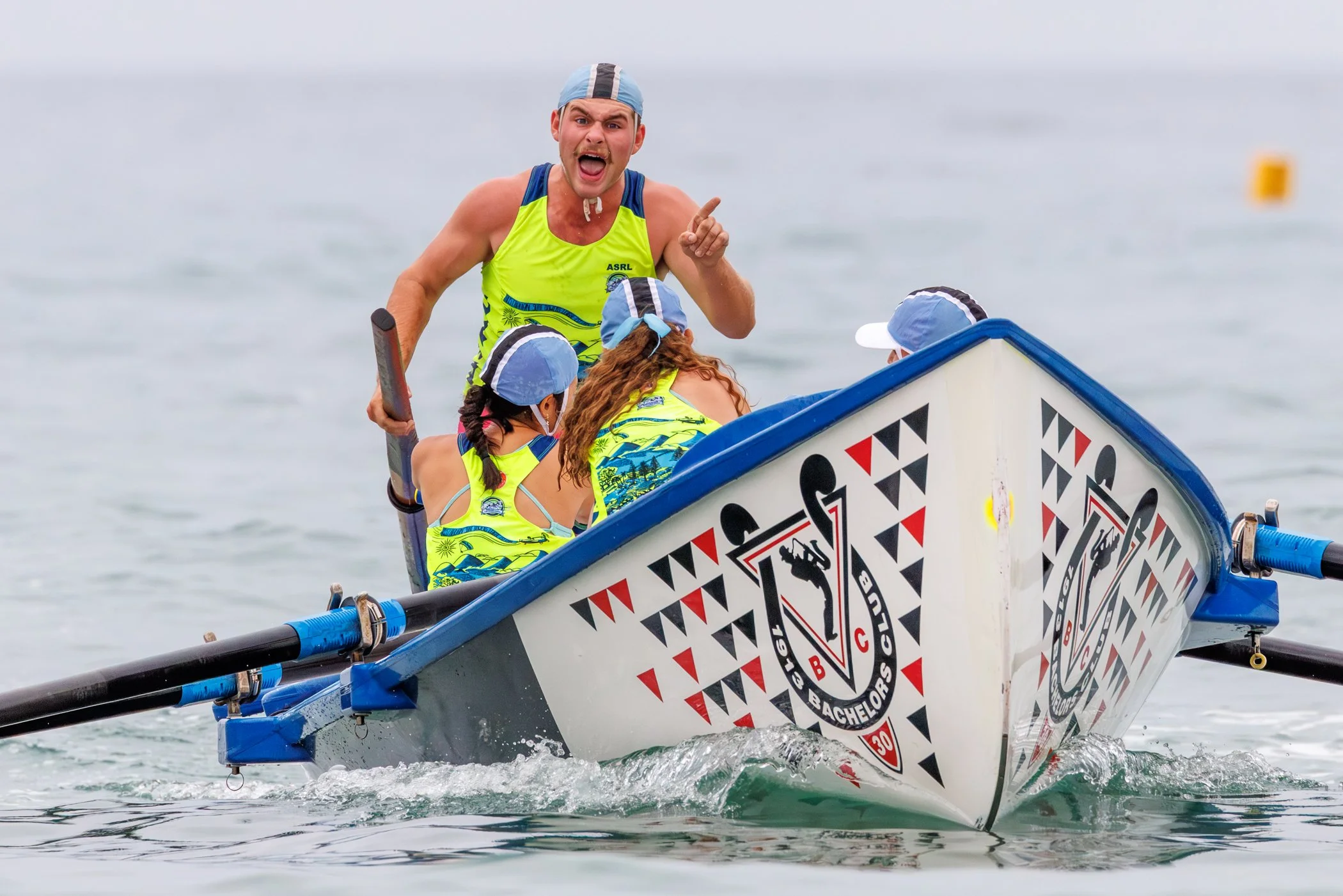
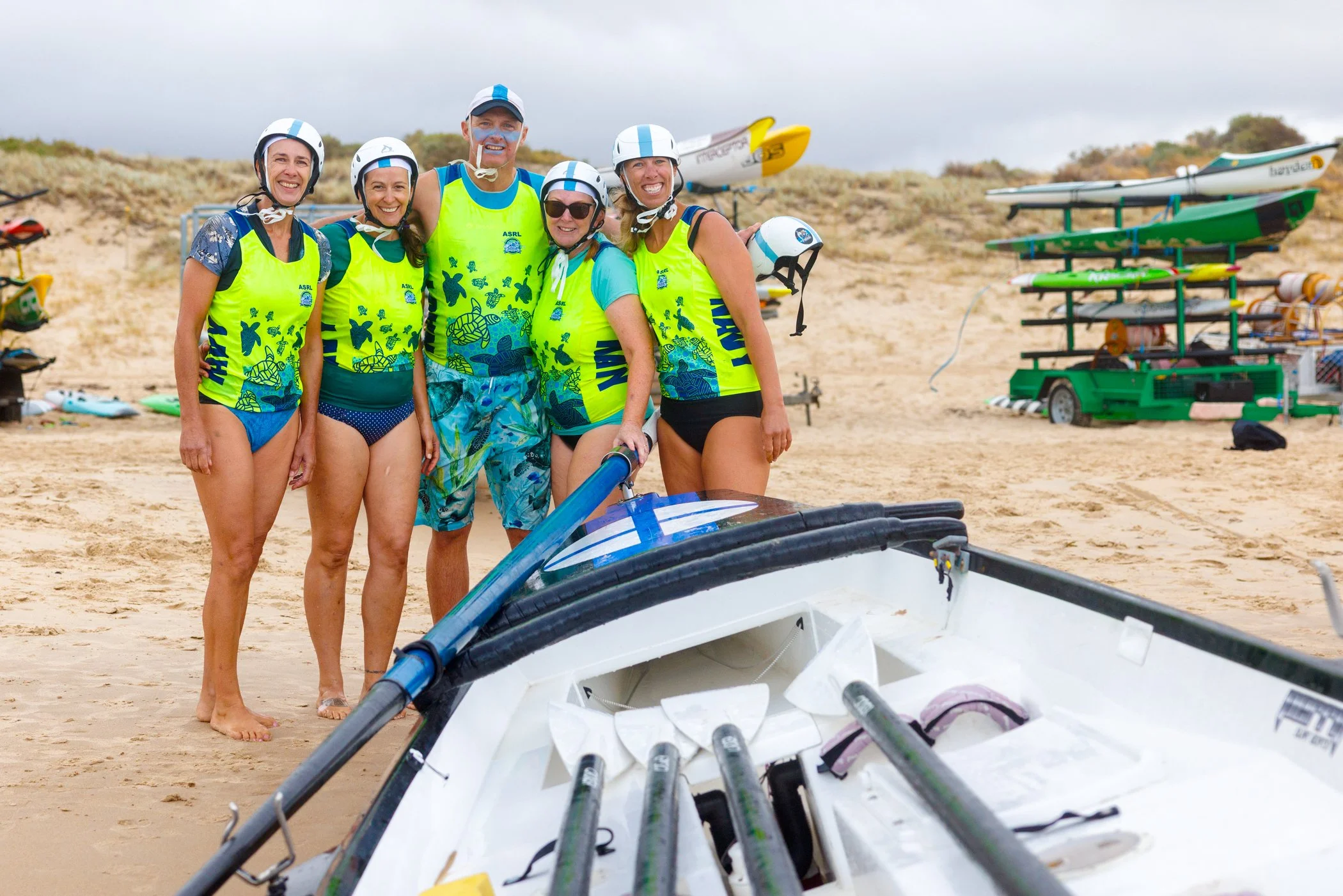
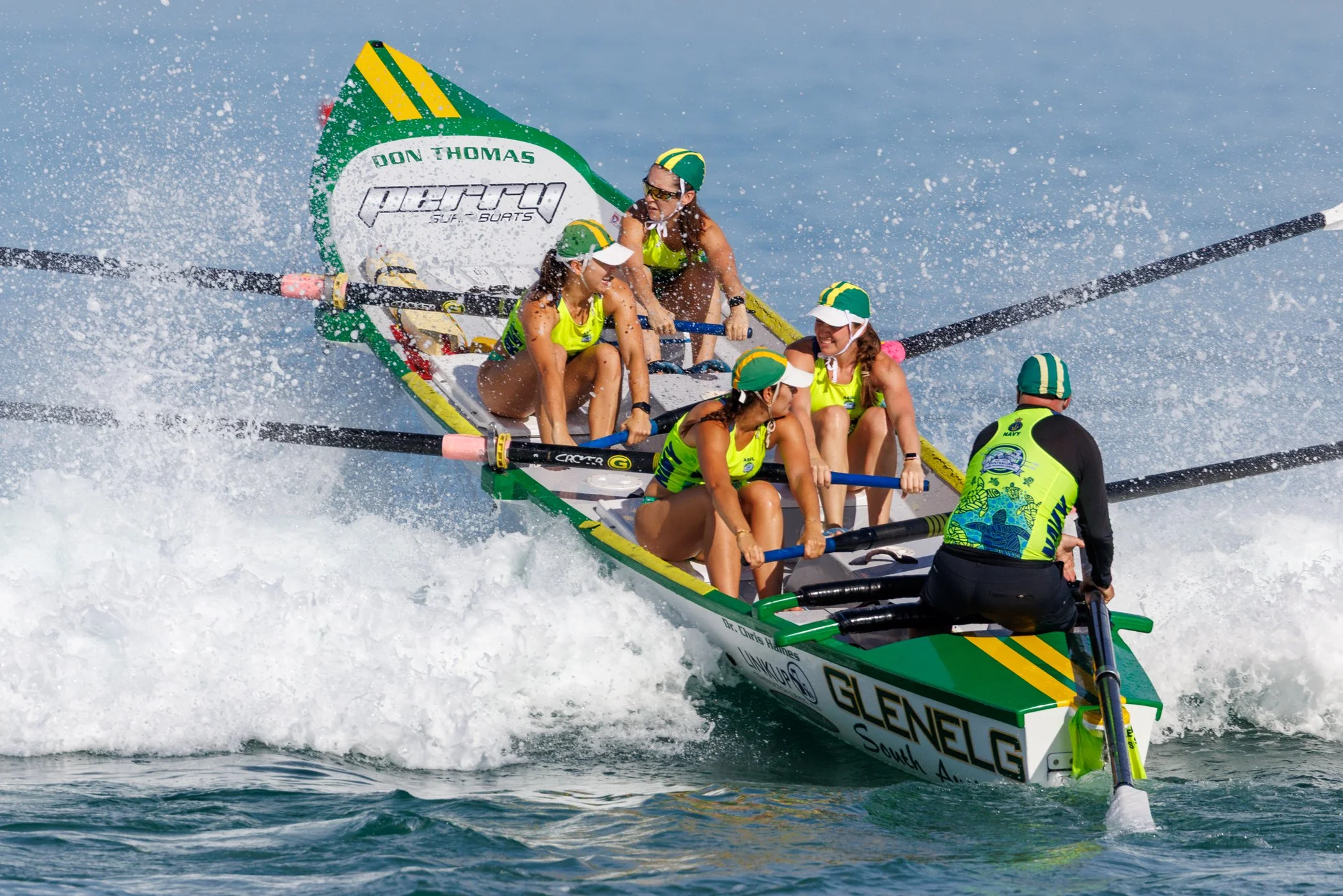
Surf boat racing combines strength, timing, teamwork and surf skills. Each crew consists of five competitors, with four rowers and a sweep who steers the boat using a sweep oar and directs the crew.
Crews begin at the water’s edge holding their boats ready. At the starting signal, they row through the surf to their assigned turning buoy, approximately 400 metres offshore, before rounding it and returning to the beach. The first crew to pass its boat between the finish flags wins.
Some events use a short course, with the turning buoy positioned approximately 250 metres offshore.
Board Riding
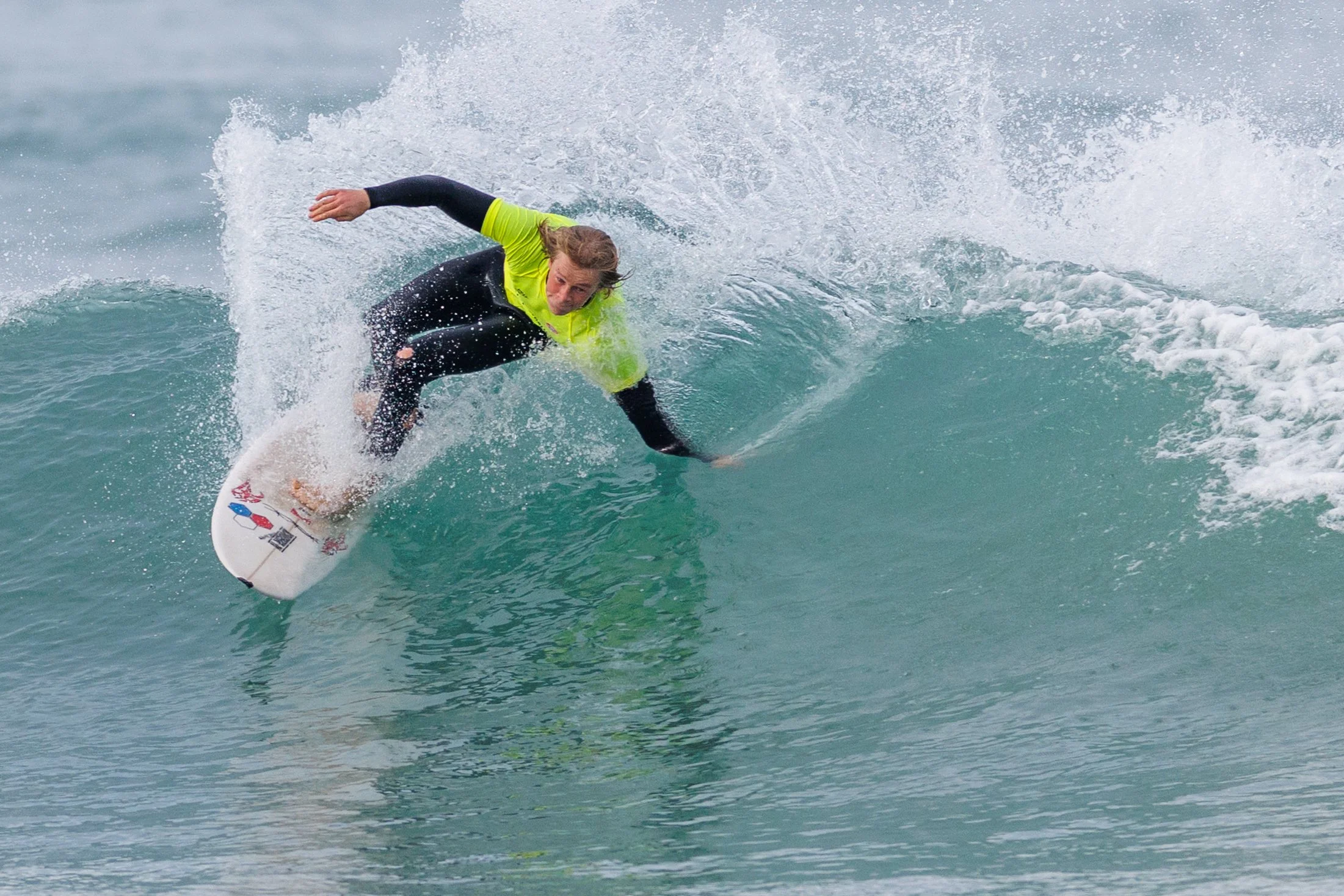
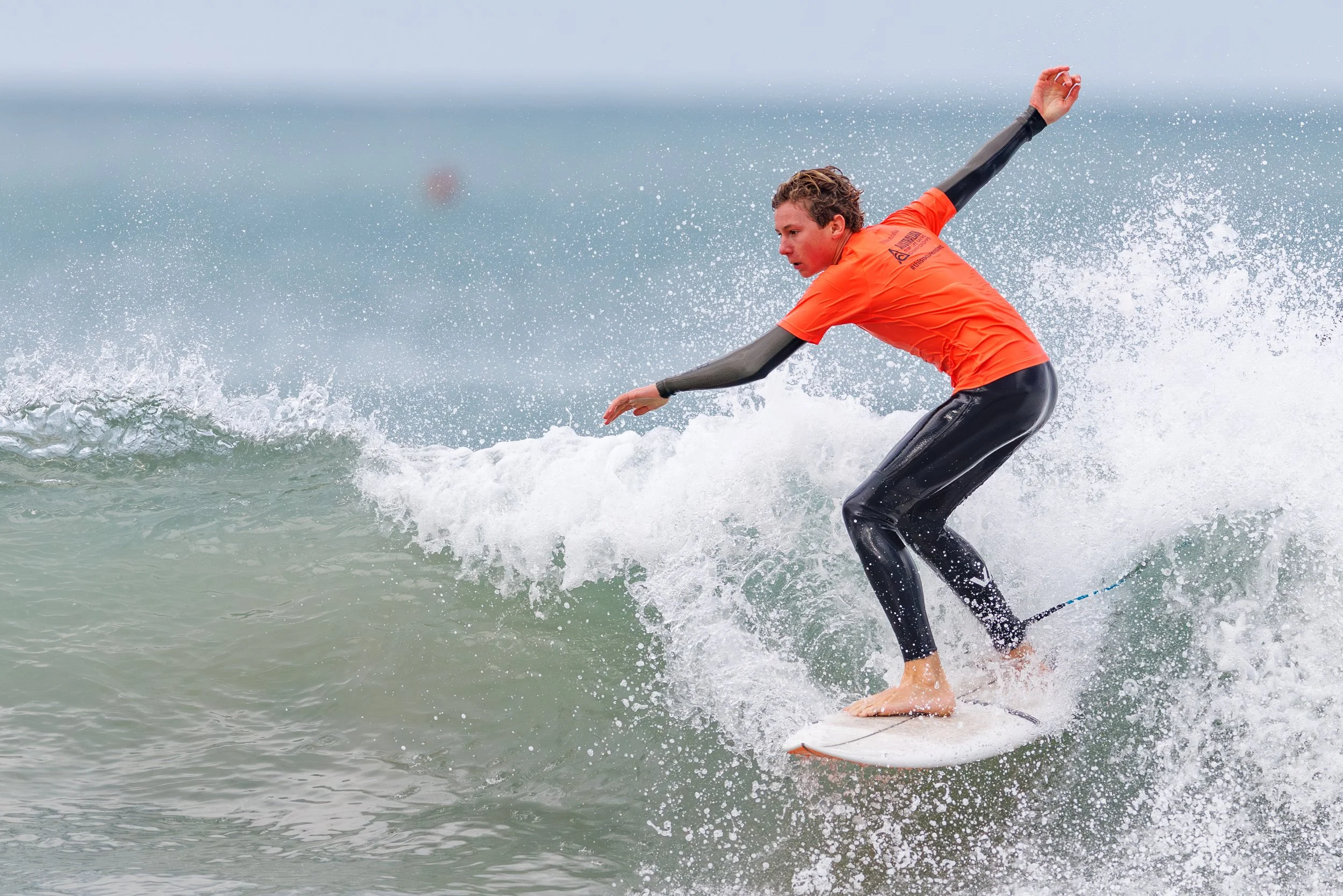
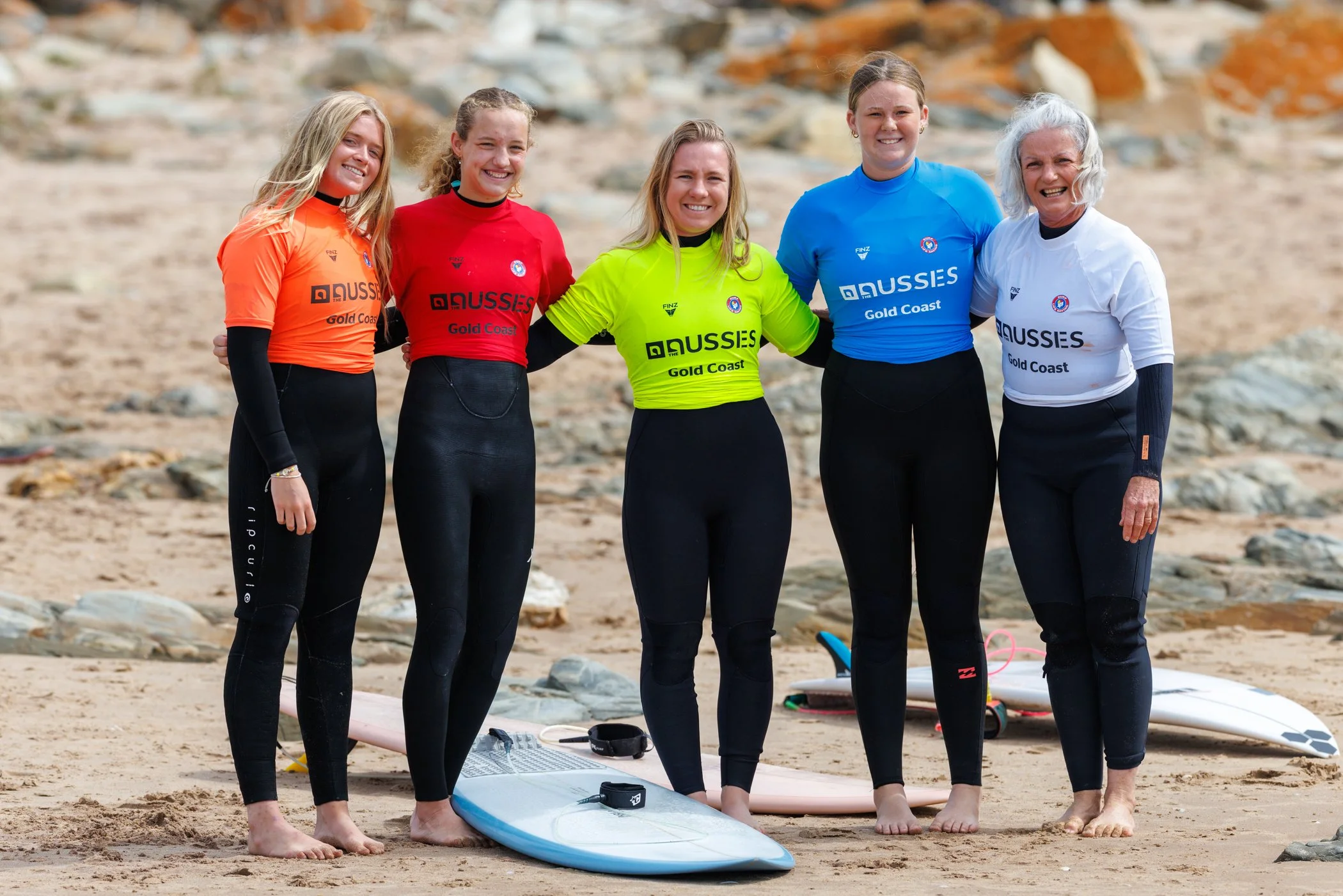
Board riding is competitive surfing and is contested across shortboard and longboard divisions.
Shortboard (less than 2.74 metres long)
Shortboard competitors are judged on their style, wave selection and ability to make full use of each wave. Judges consider the quality and size of the waves selected, along with the rider’s speed, length of ride and range of manoeuvres.
Longboard (at least 2.74 metres long)
Longboard competitors are judged on their ability to combine traditional and modern manoeuvres while maintaining control throughout the ride. Riders are also expected to demonstrate effective use of the entire length of the board.
Beach disciplines
Beach disciplines give members the opportunity to compete without entering the water, with events suited to a wide range of strengths and interests. From fast-paced beach races that test speed, agility and teamwork to traditional lifesaving events focused on practical skills, technical ability and knowledge, there’s more than one way to get involved.
Beach Sprints & Relays
Beach running events test speed, endurance and teamwork across a range of individual and team races on the sand.
Sprint
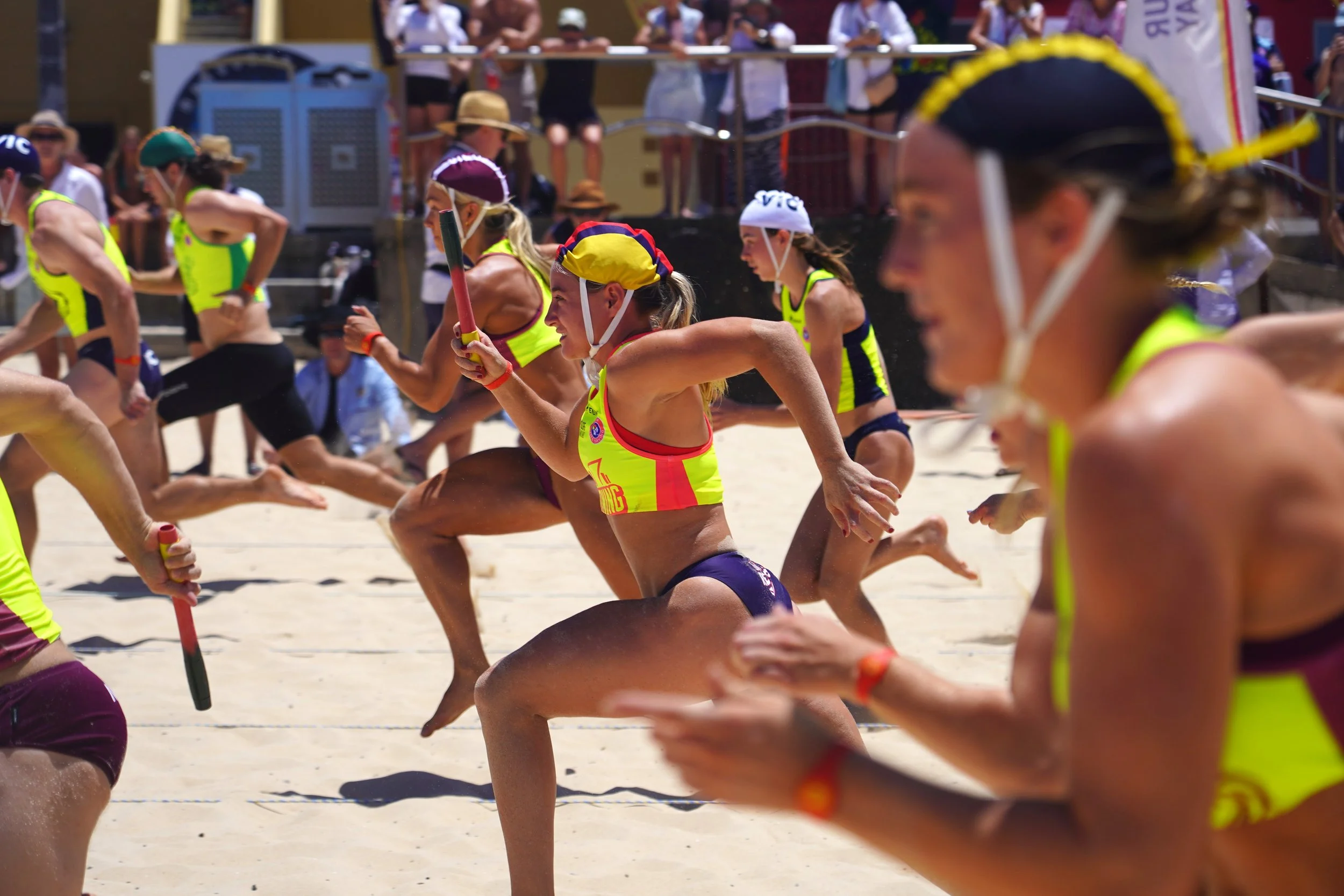
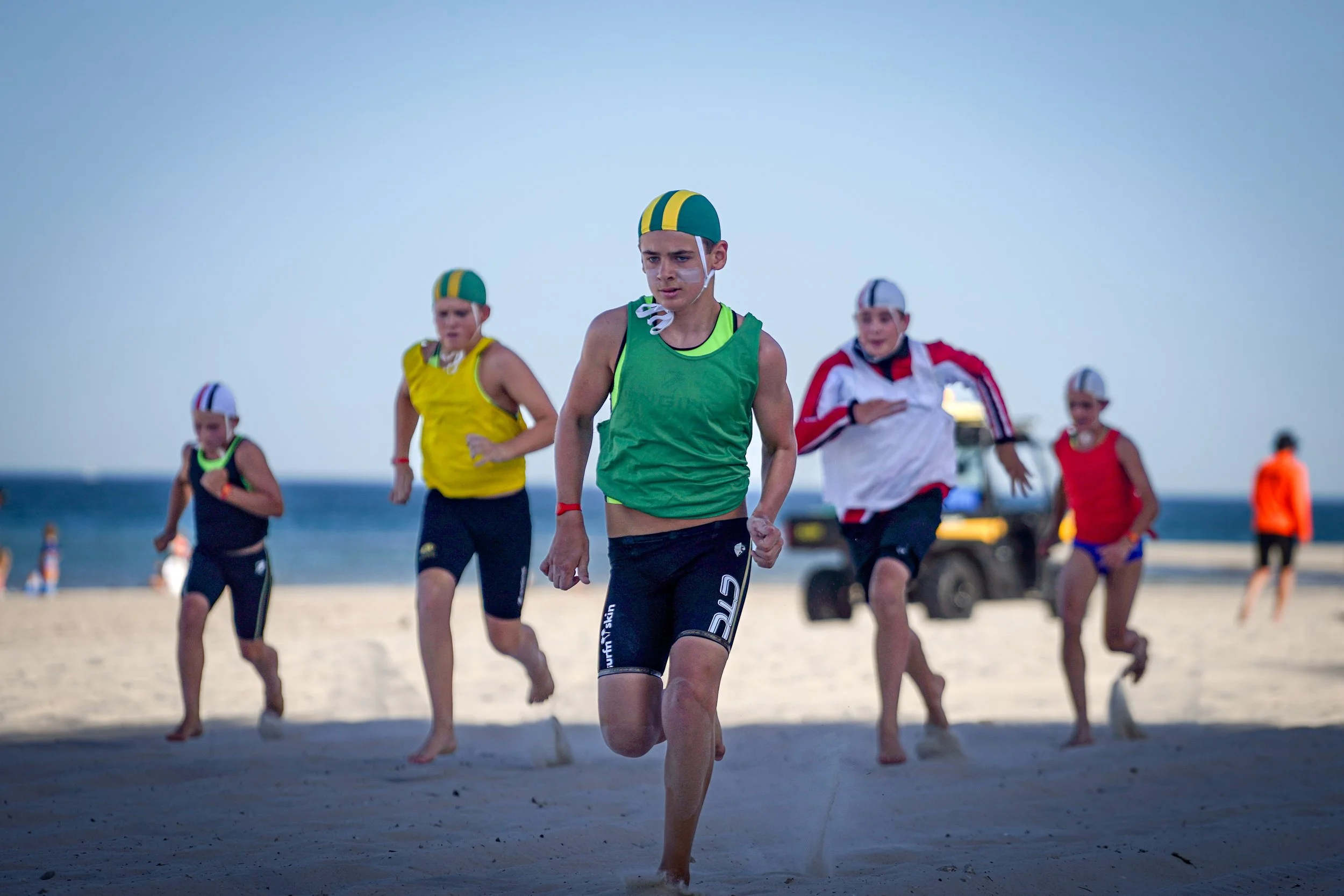
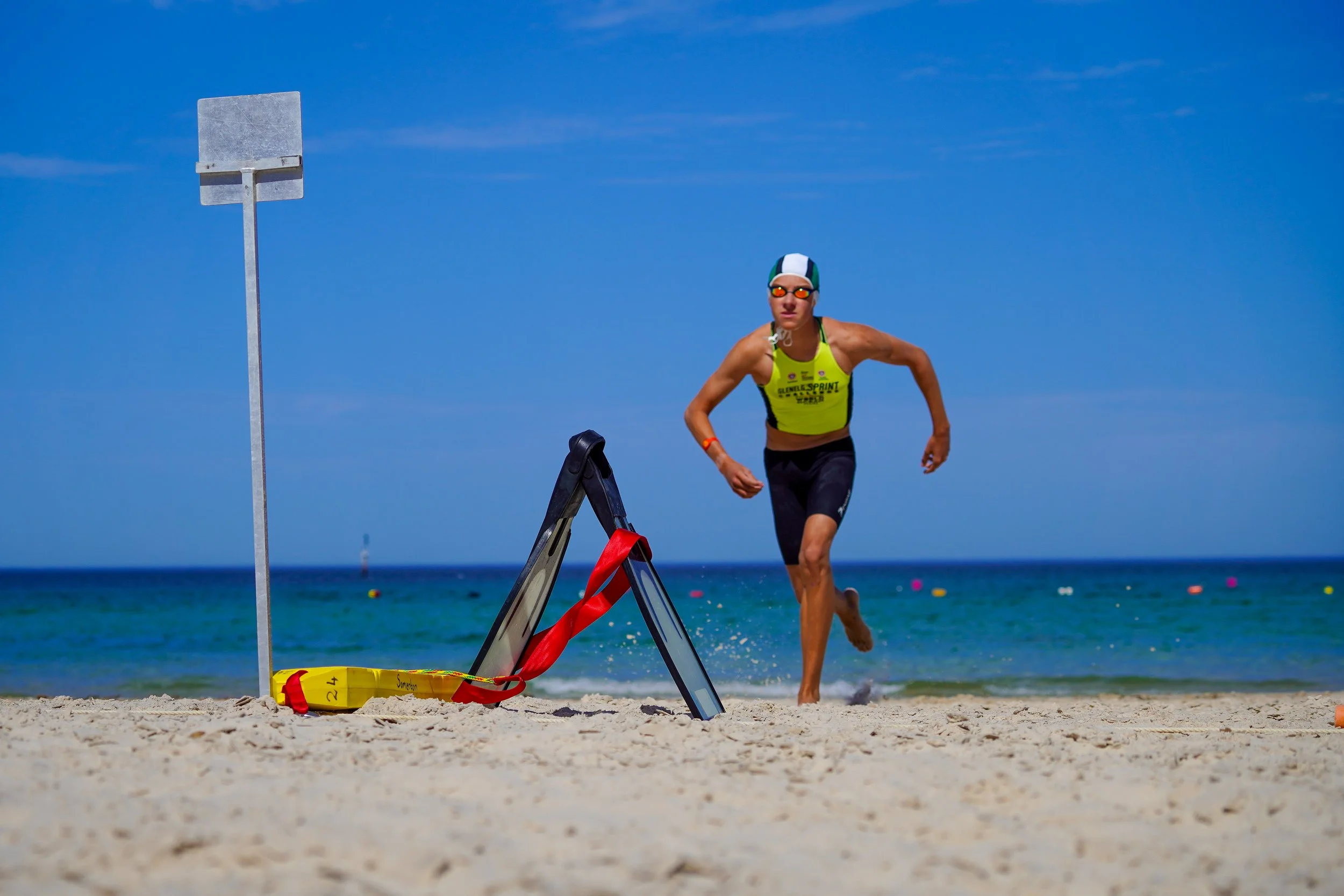
Competitors race along a straight sand course of 90 metres, reduced to 70 metres for junior age groups. The first competitor across the finish line wins.
Relay
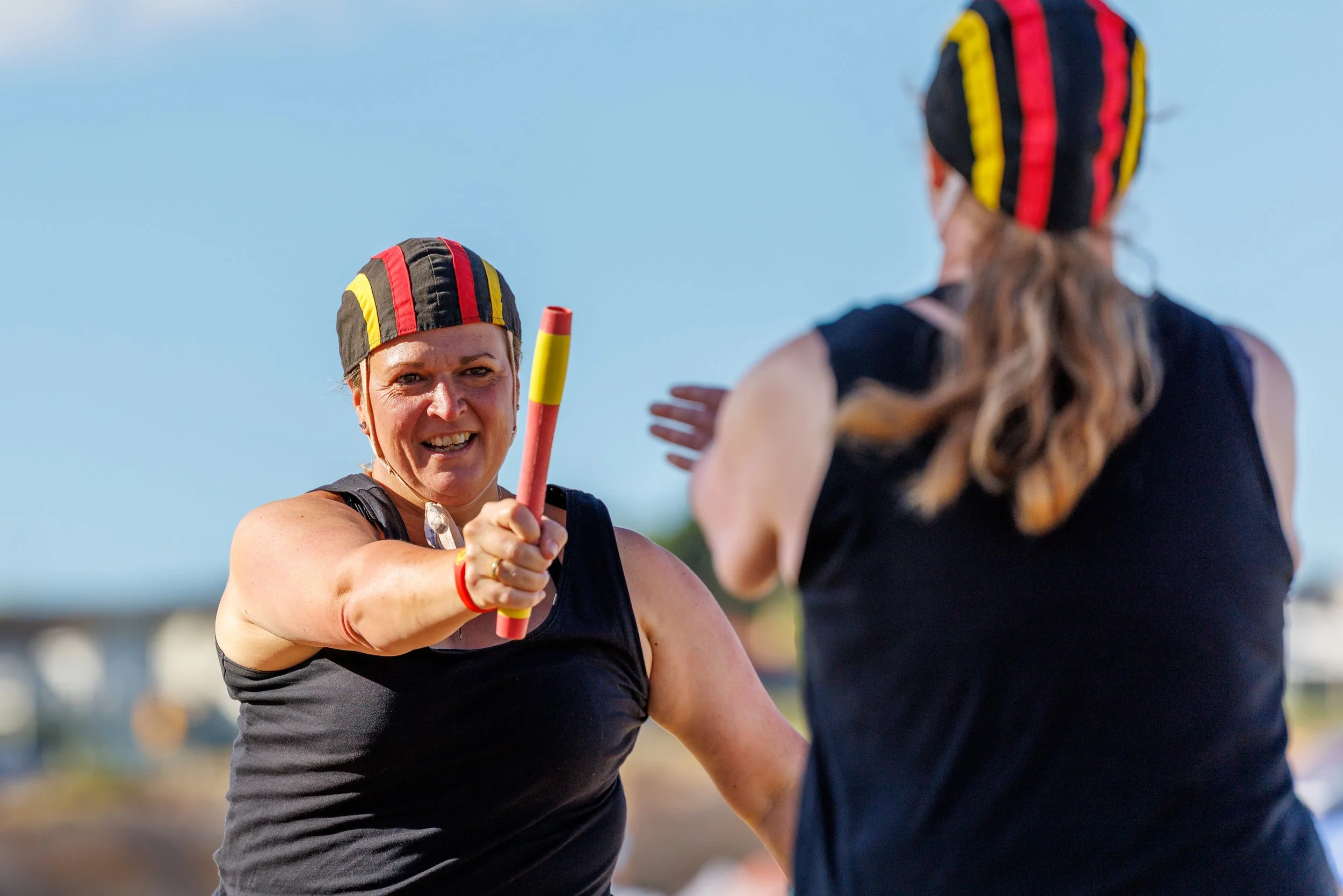
Teams of four race along the same straight sand course while carrying a baton, with each competitor completing one leg. The team whose final runner crosses the finish line first wins.
Beach Run
Competitors complete a 1 km or 2 km race on a sand course, testing their endurance and ability to maintain speed across the beach.
Beach Flags
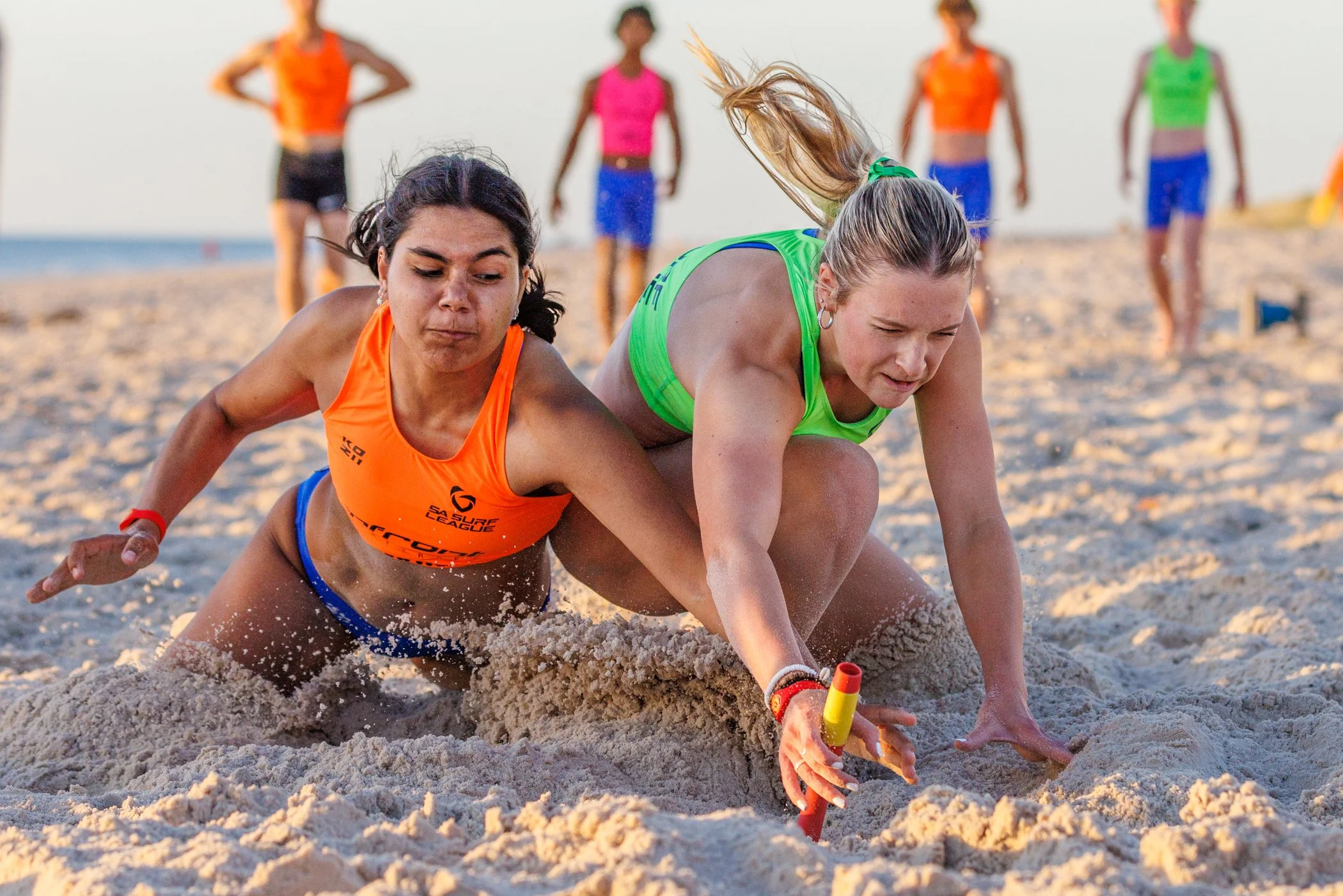
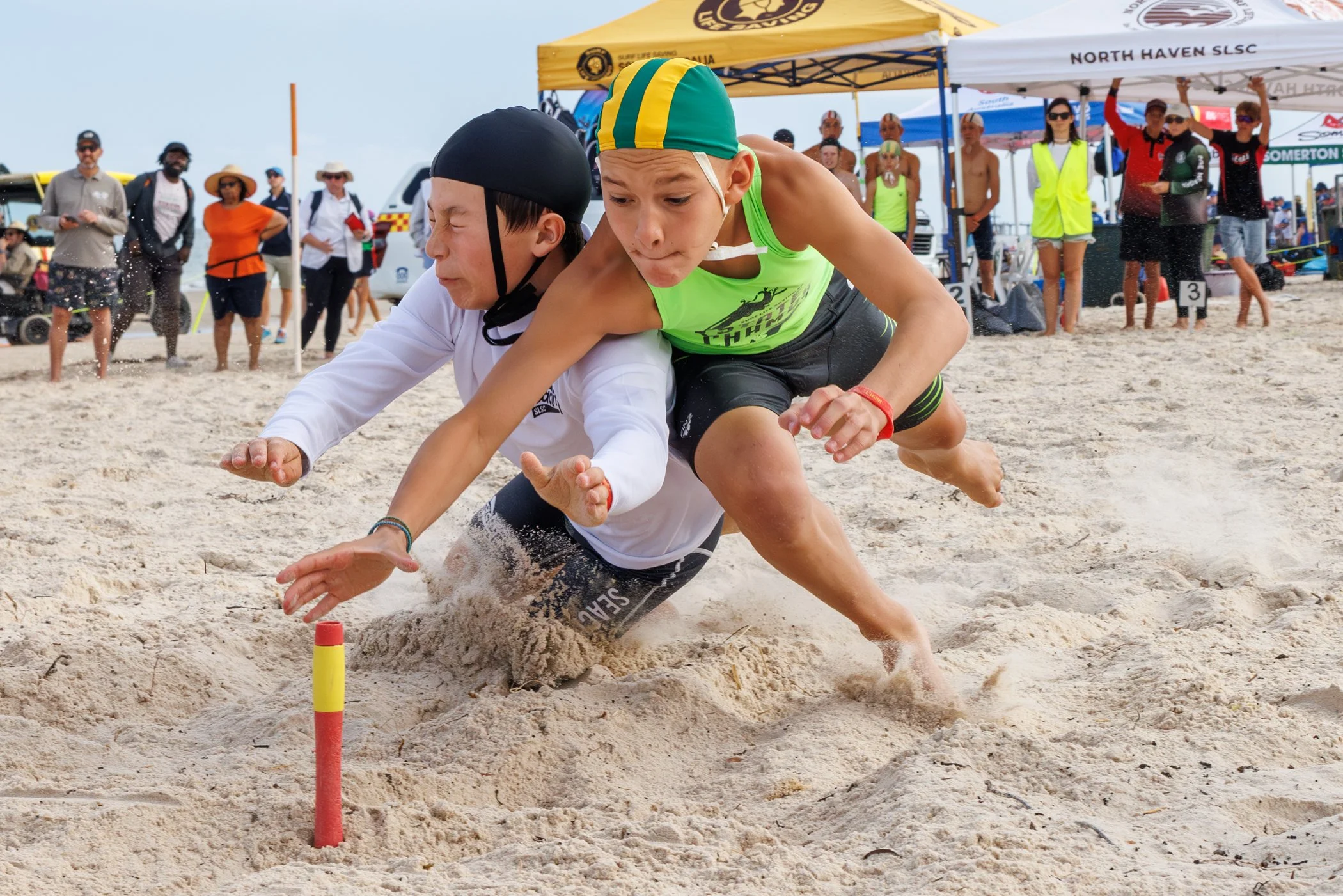
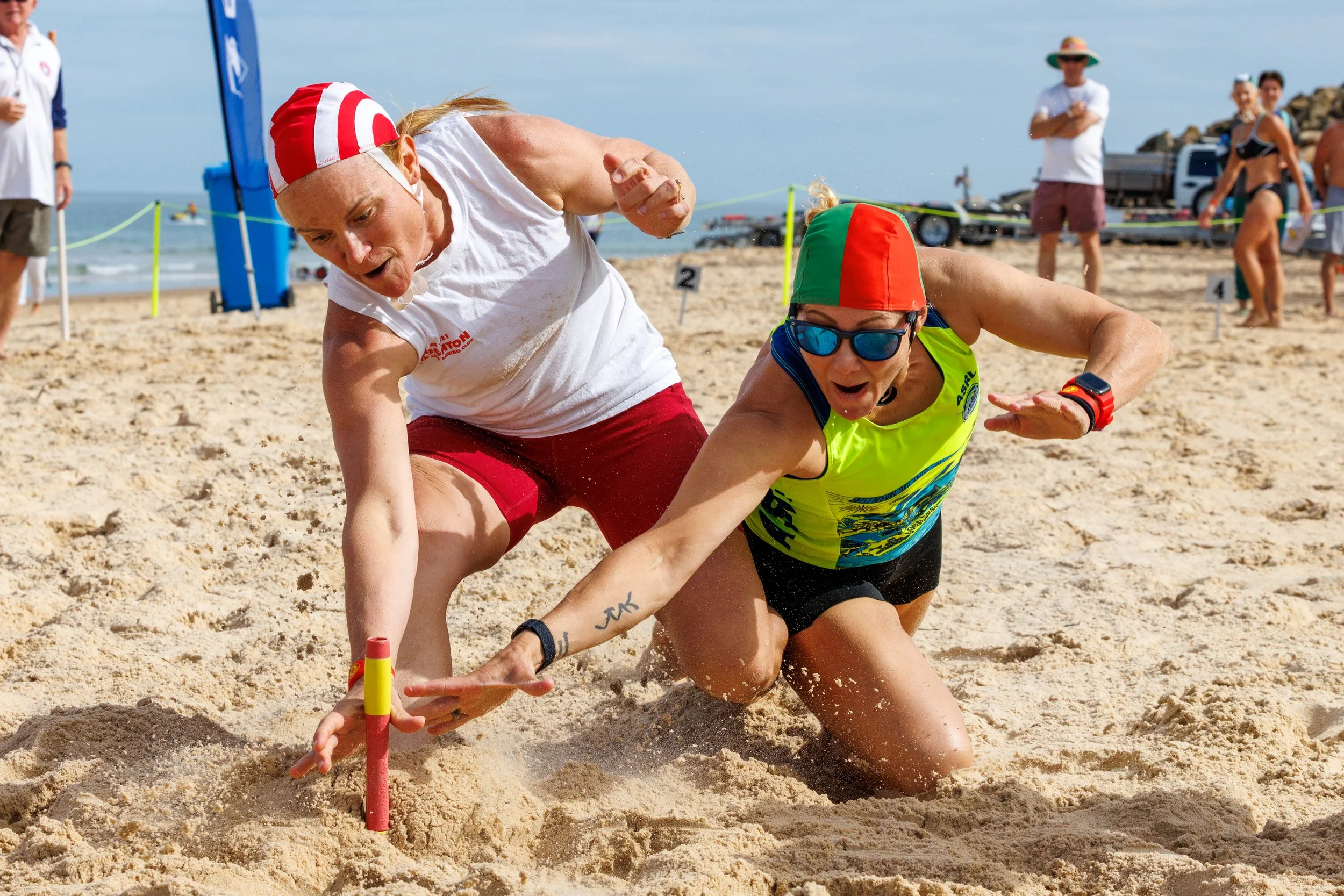
Competitors begin lying on their stomachs, facing away from a row of batons buried in the sand 15 to 20 metres away. As there are fewer batons than competitors, each person must quickly rise, turn and sprint to secure one at the starting signal. Any competitor who fails to collect a baton is eliminated, with rounds continuing until only one winner remains.
March Past
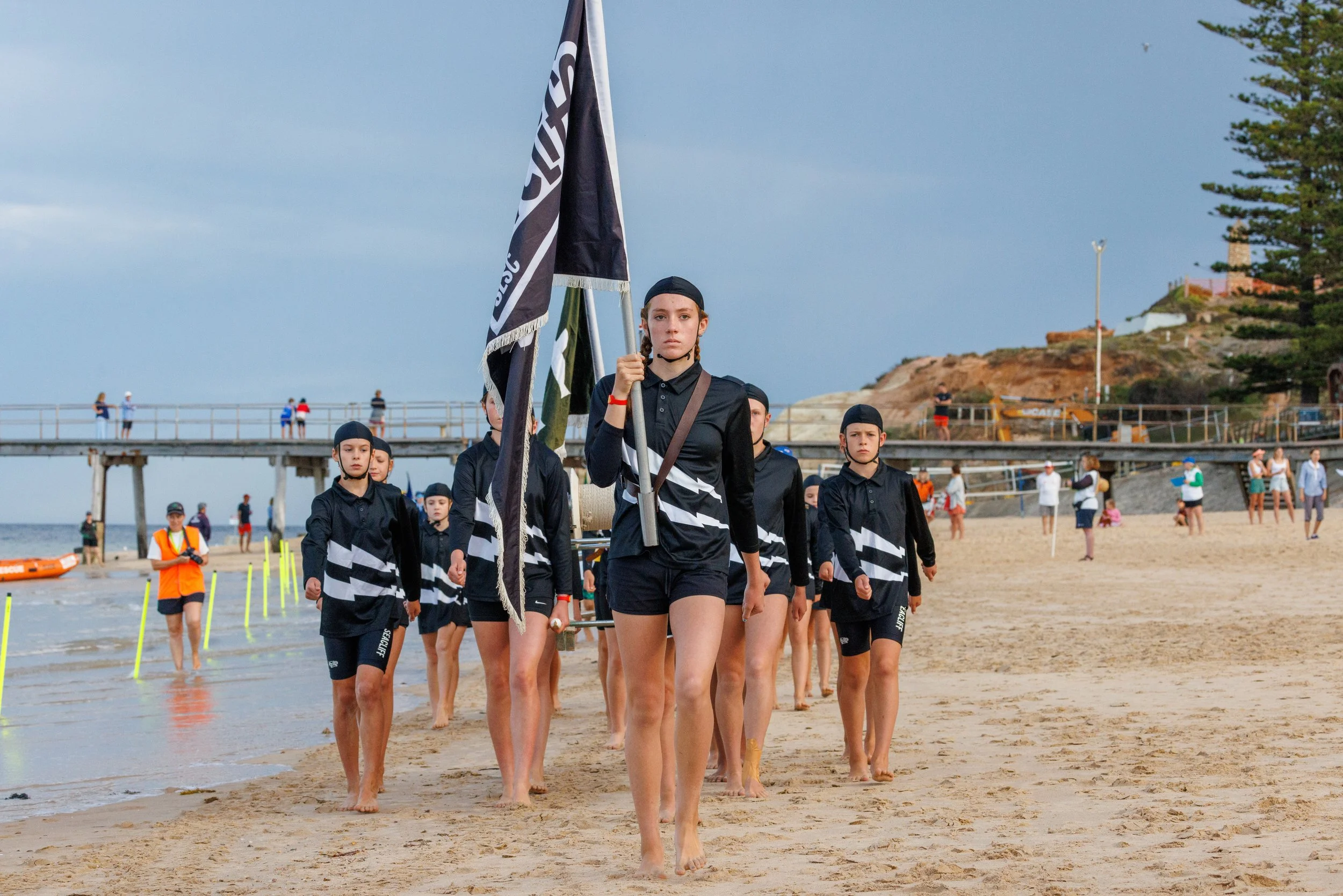
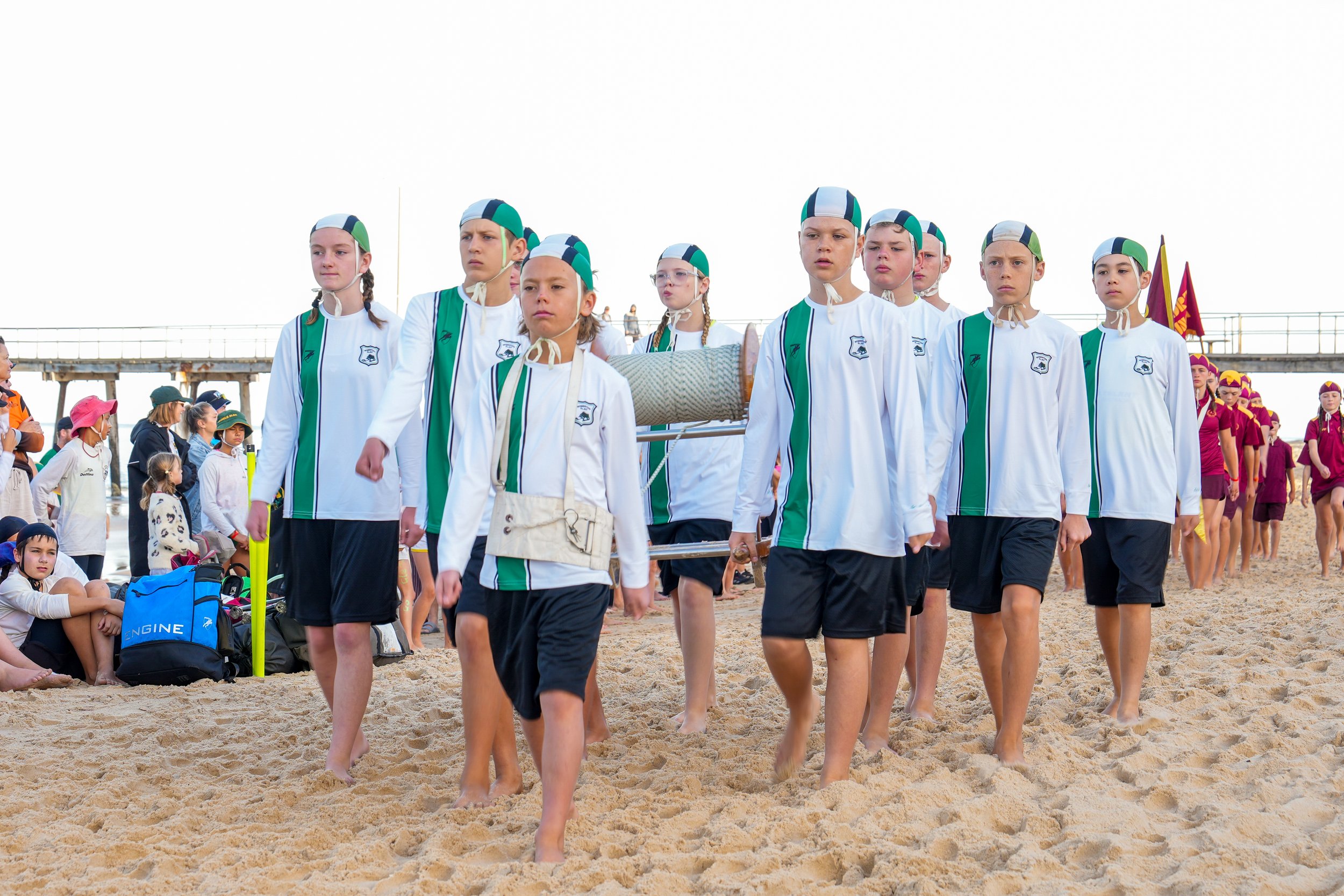
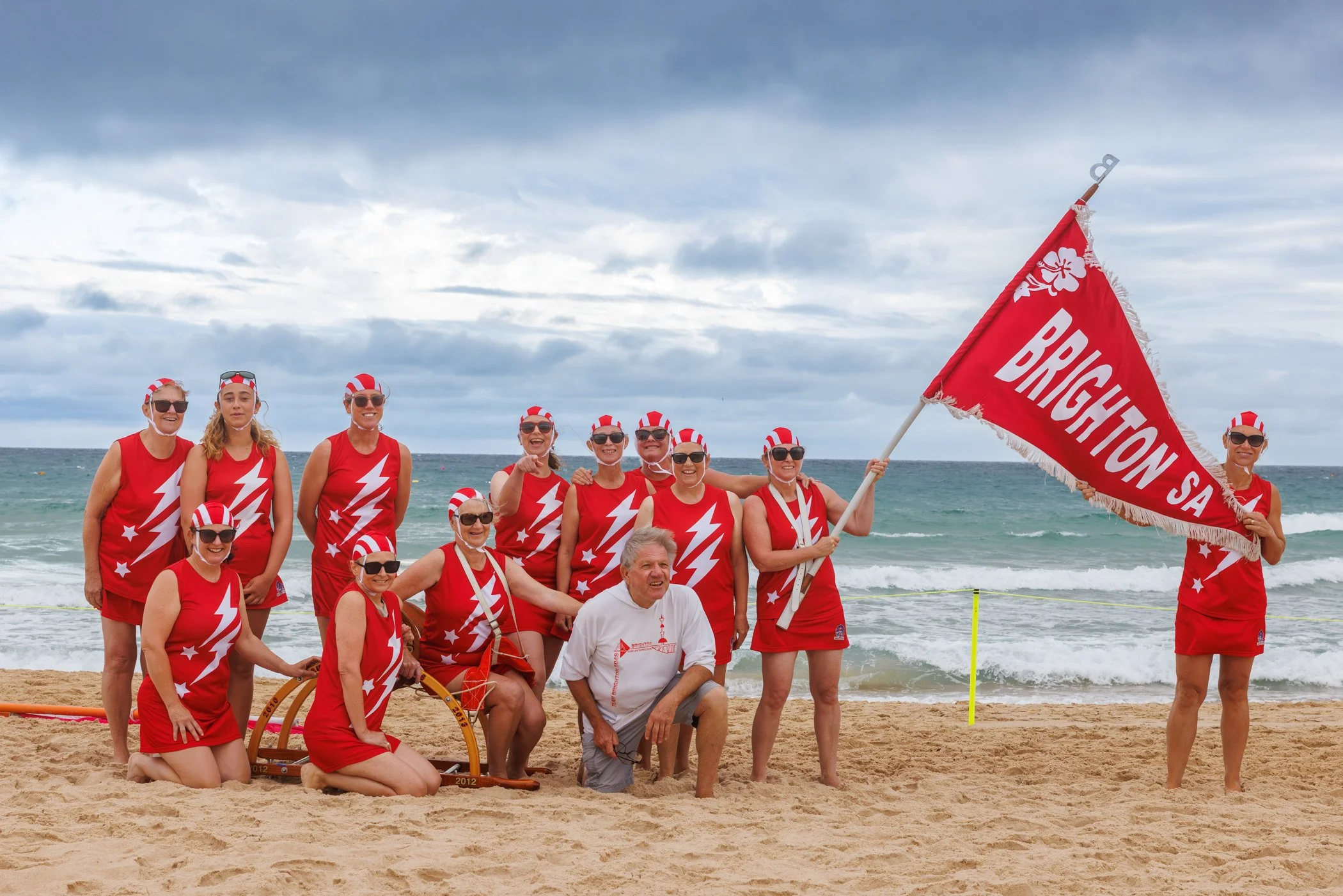
March Past is one of Surf Life Saving’s original and most traditional events, celebrating the discipline and presentation of surf lifesavers. Often dressed in full length club swimming costumes, teams follow their flag bearer and march in formation to music around a set course while carrying a surf reel, line and belt. Teams are judged on timing, arm and leg movement, spacing, alignment, body carriage and overall presentation.
Surf Rescue
Beach disciplines give members the opportunity to compete without entering the surf, with events suited to a wide range of strengths and interests. From fast-paced beach races that test speed, agility and teamwork to traditional lifesaving events focused on practical skills, technical ability and knowledge, there’s more than one way to get involved.
Belt Race
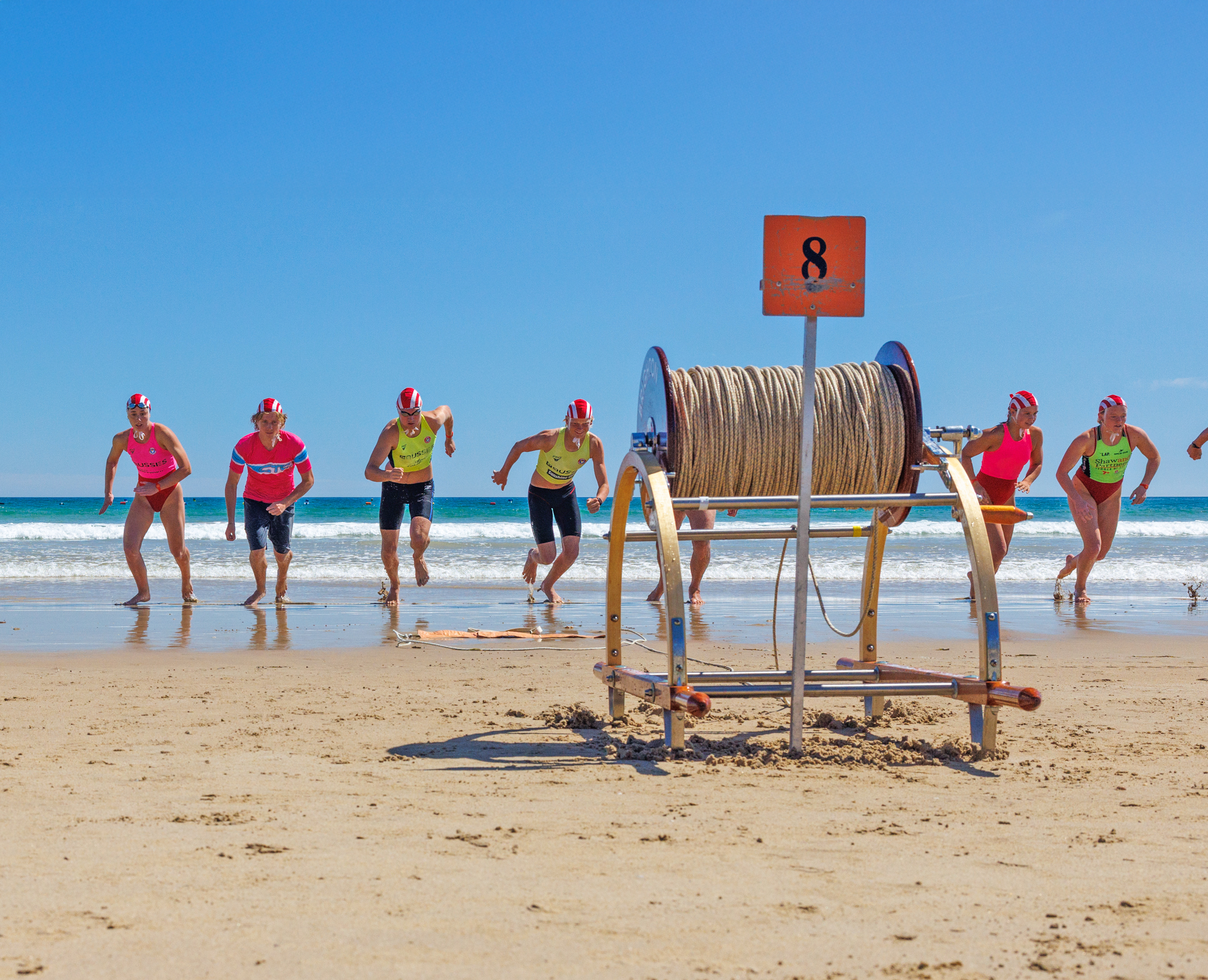
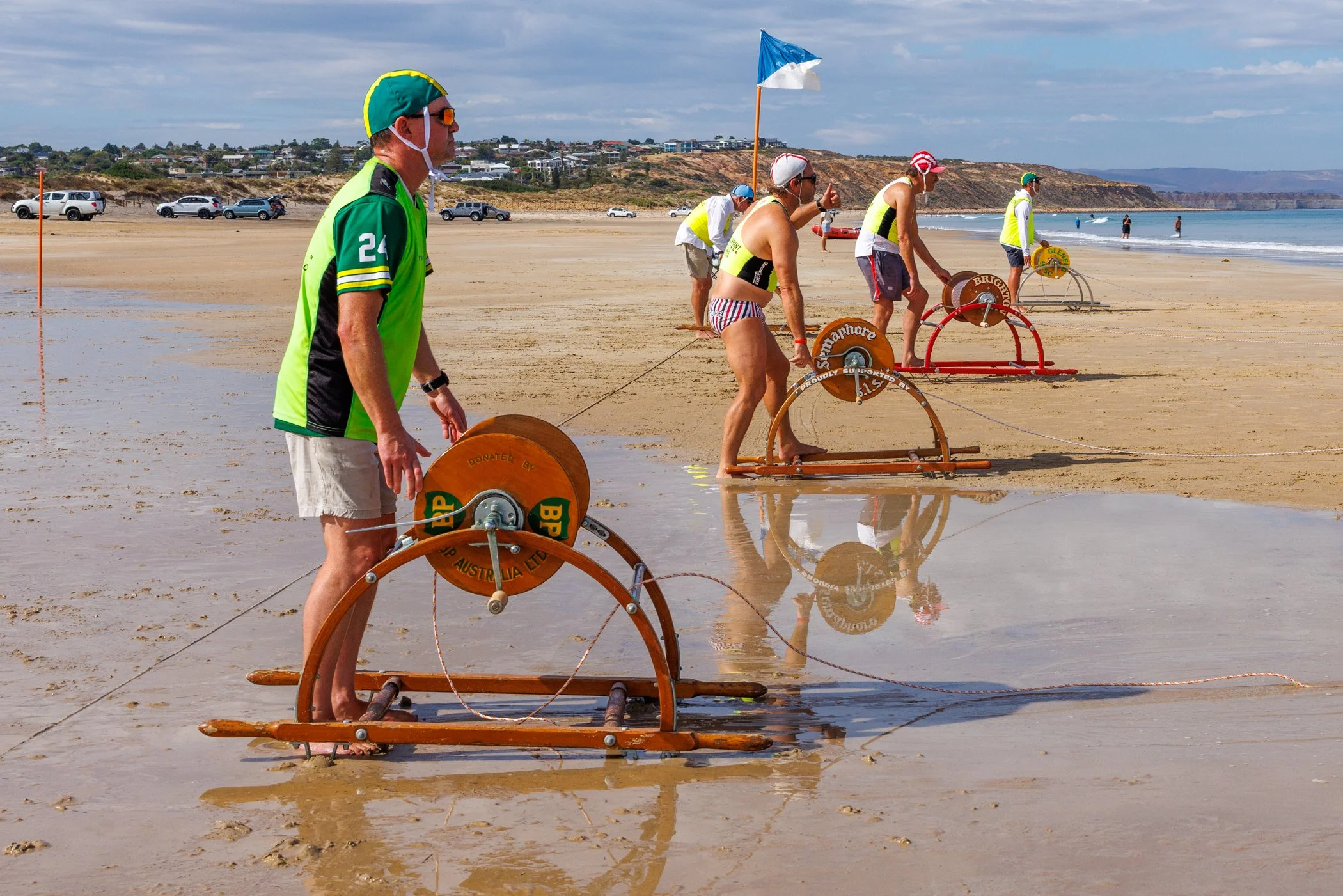
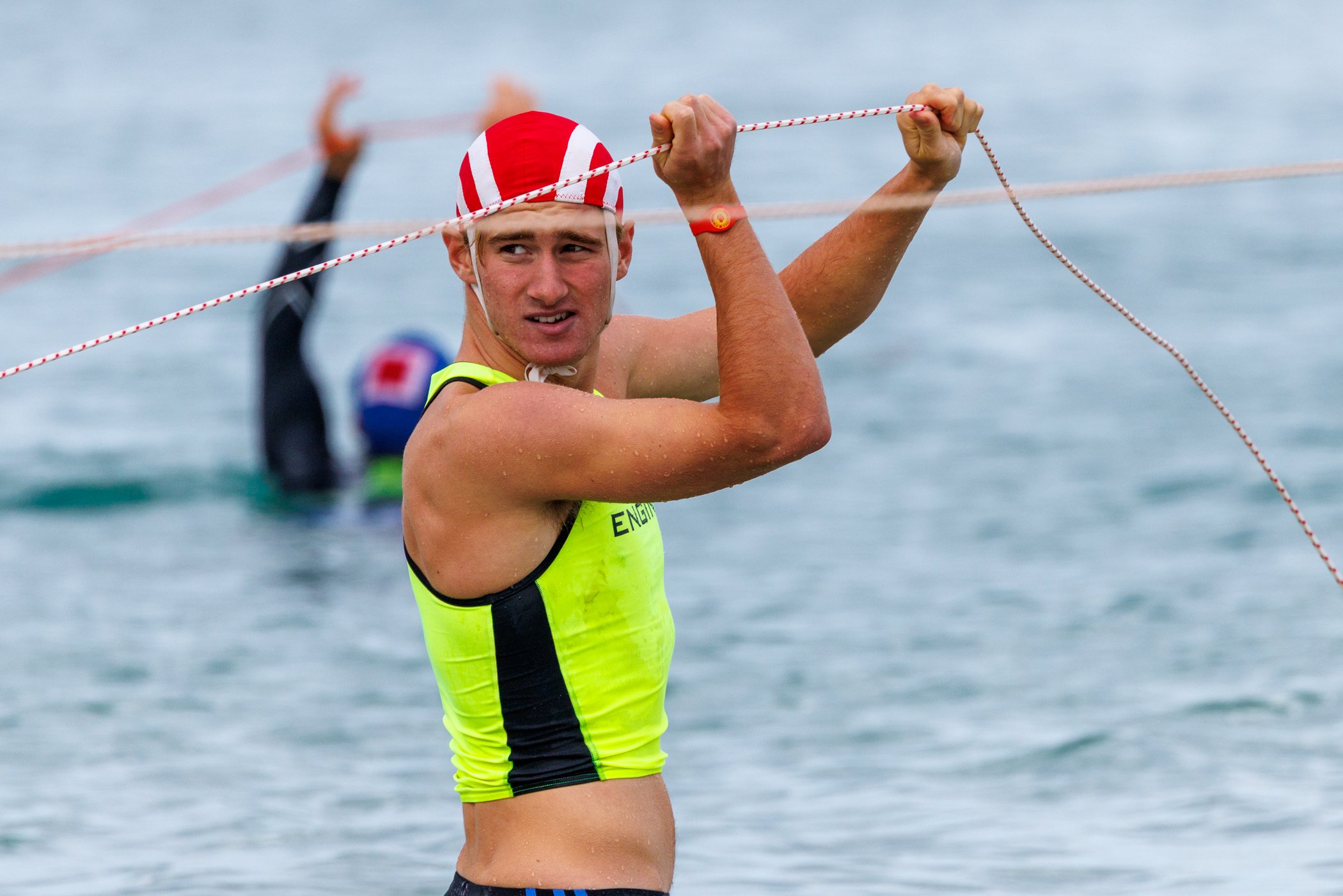
The Belt Race uses the traditional surf reel, line and belt and is one of the most prestigious events in surf lifesaving competition. The swimmer begins on the beach, places the belt around their waist and swims to their allocated buoy while towing the surf line. They signal their finish upon reaching the buoy. The swimmer is supported by three line handlers and a reel handler on the beach.
Rescue Tube Rescue Race
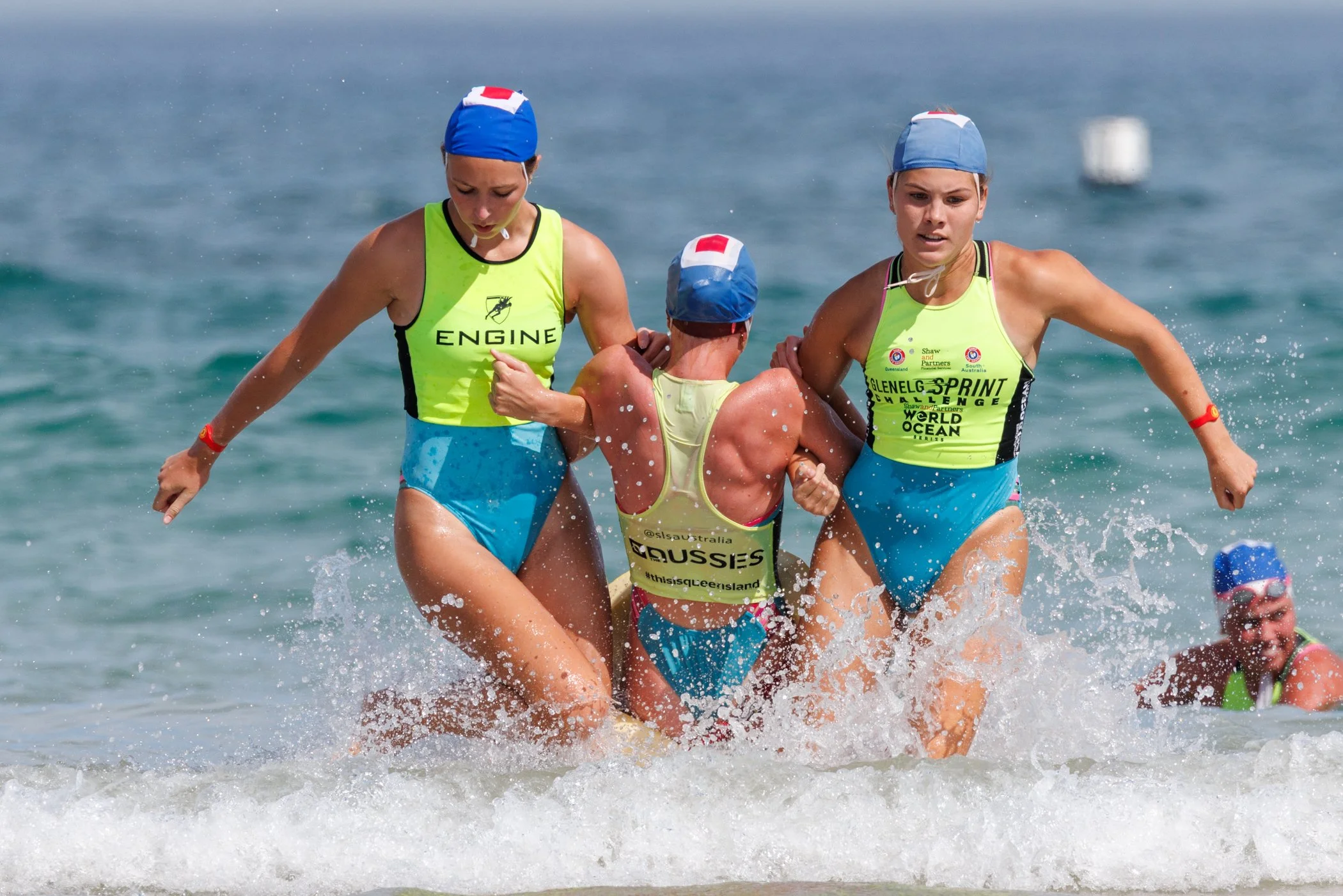
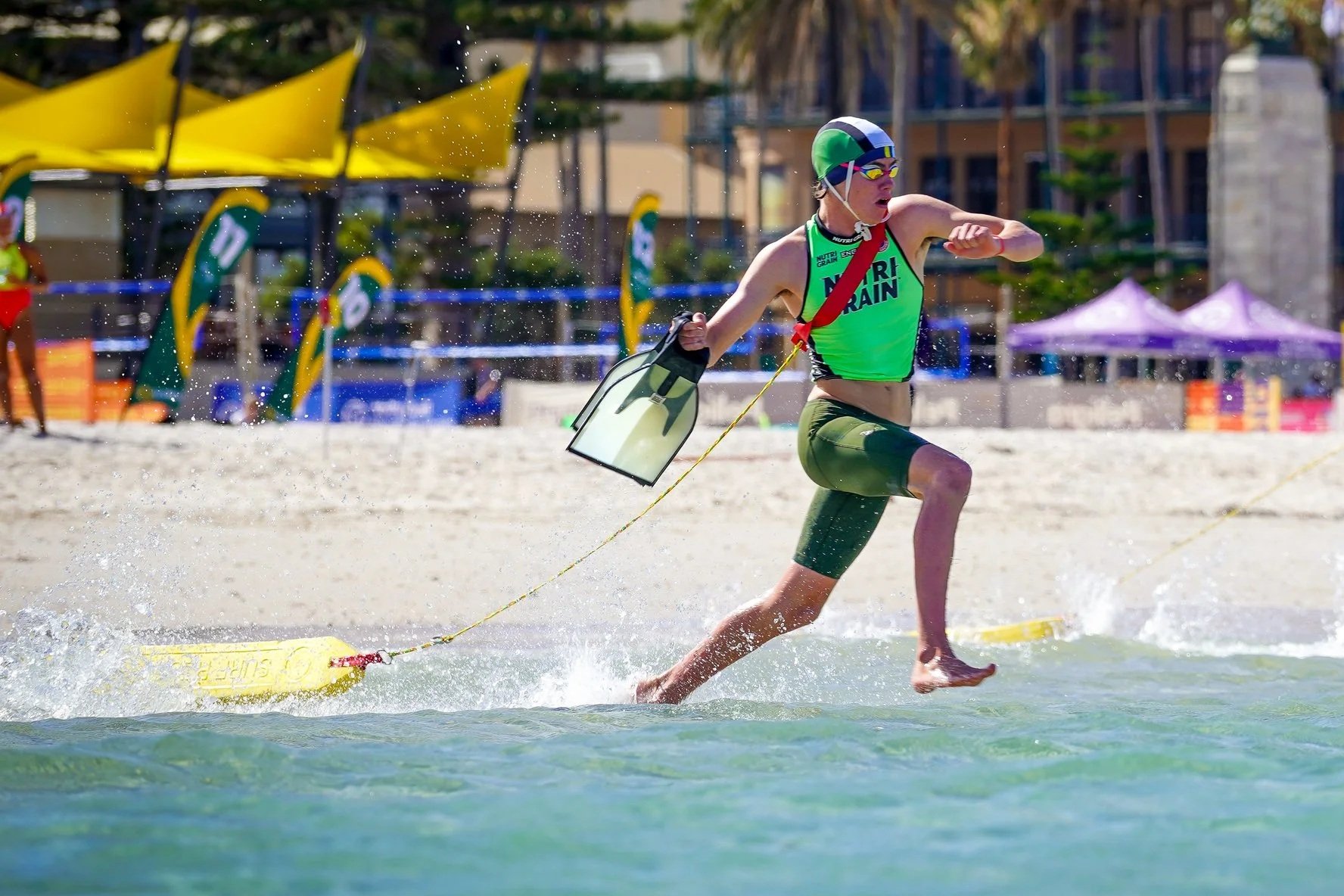
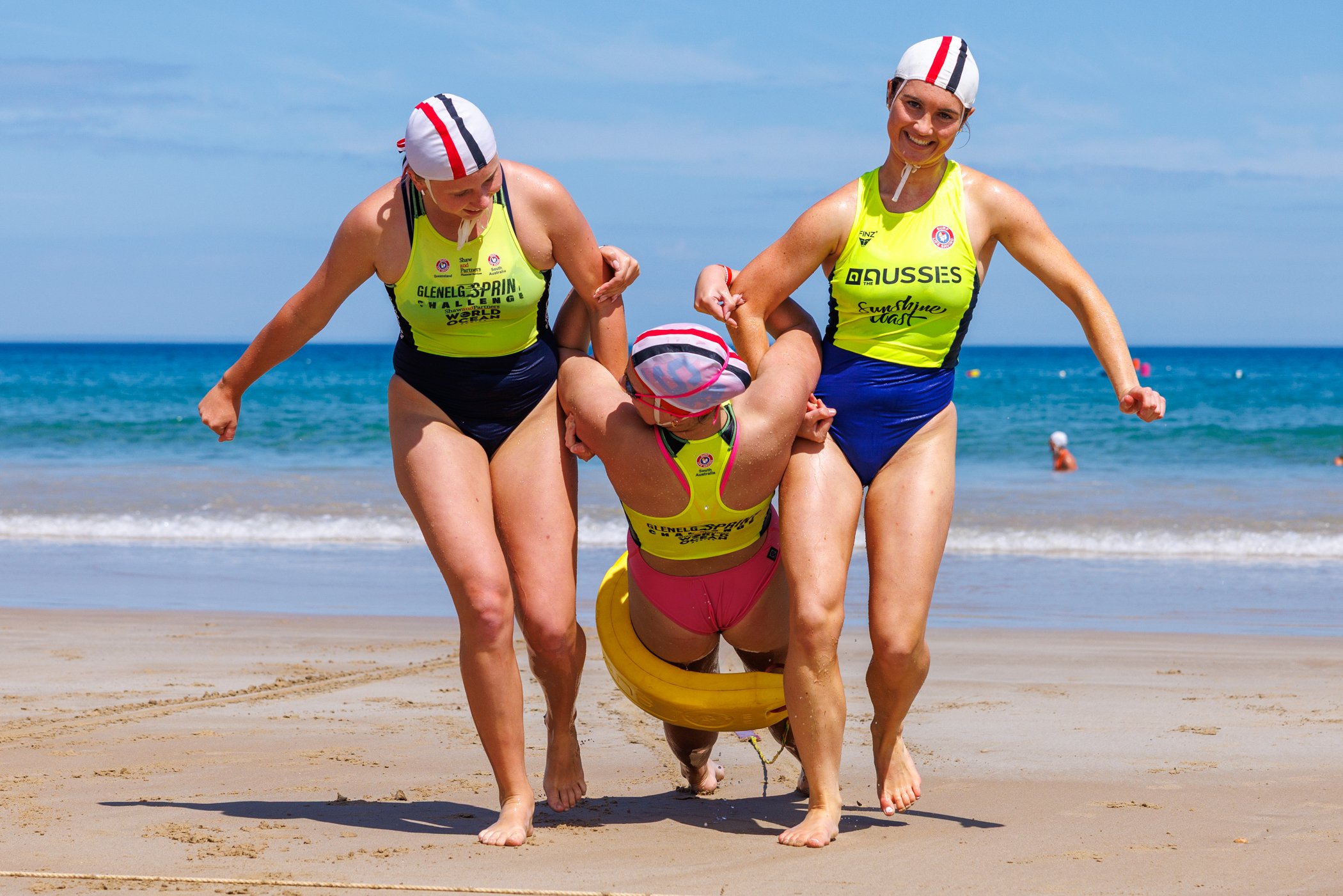
Teams consist of a patient, a rescue tube swimmer and two assisters. The patient swims to their allocated buoy and signals to the beach. Wearing fins and carrying a rescue tube, the swimmer races to the buoy, secures the patient in the tube and tows them back towards shore. The two assisters enter the water as they approach the beach and help bring the patient across the finish line. The event may also be contested in pairs without the two assisters.
First Aid
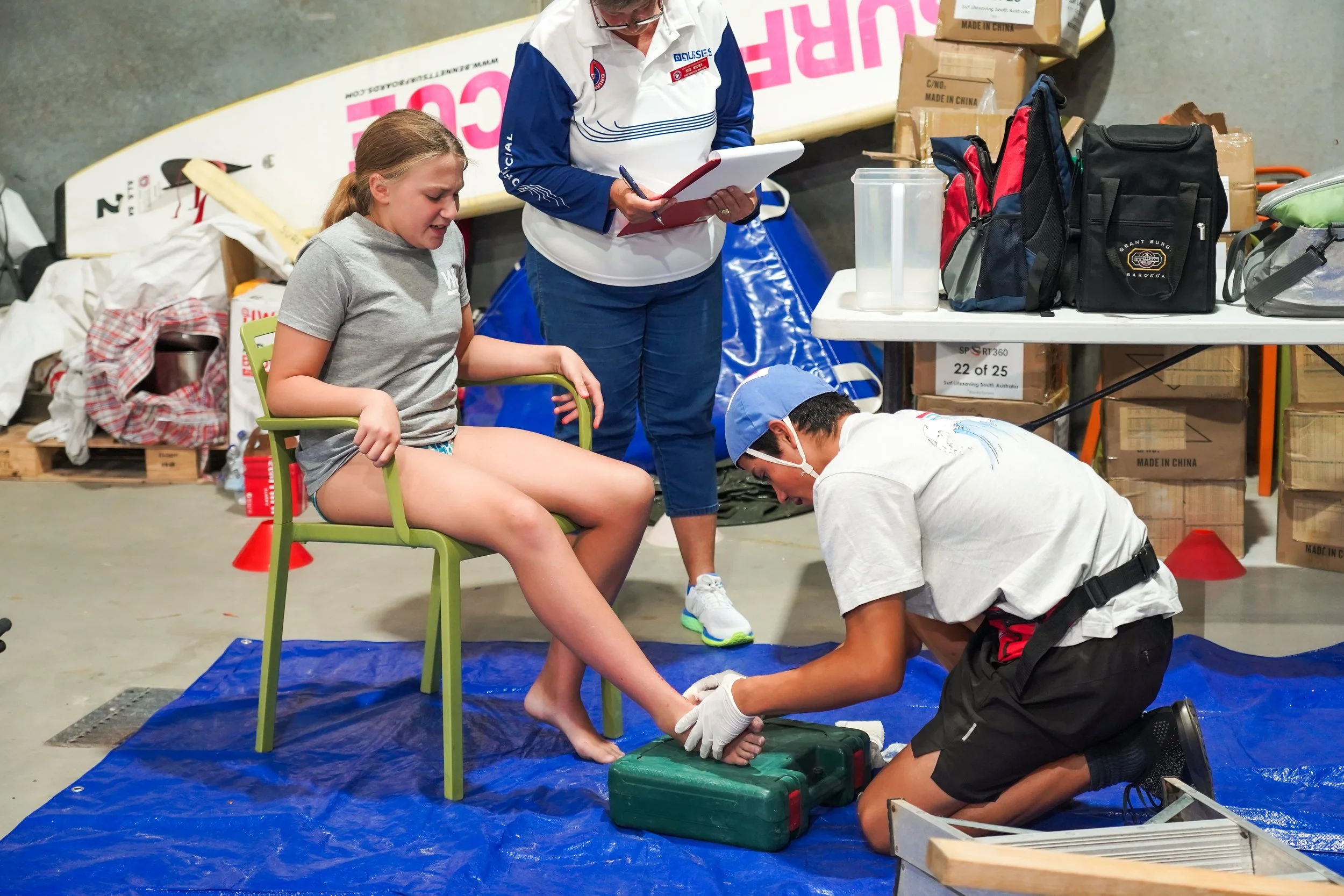
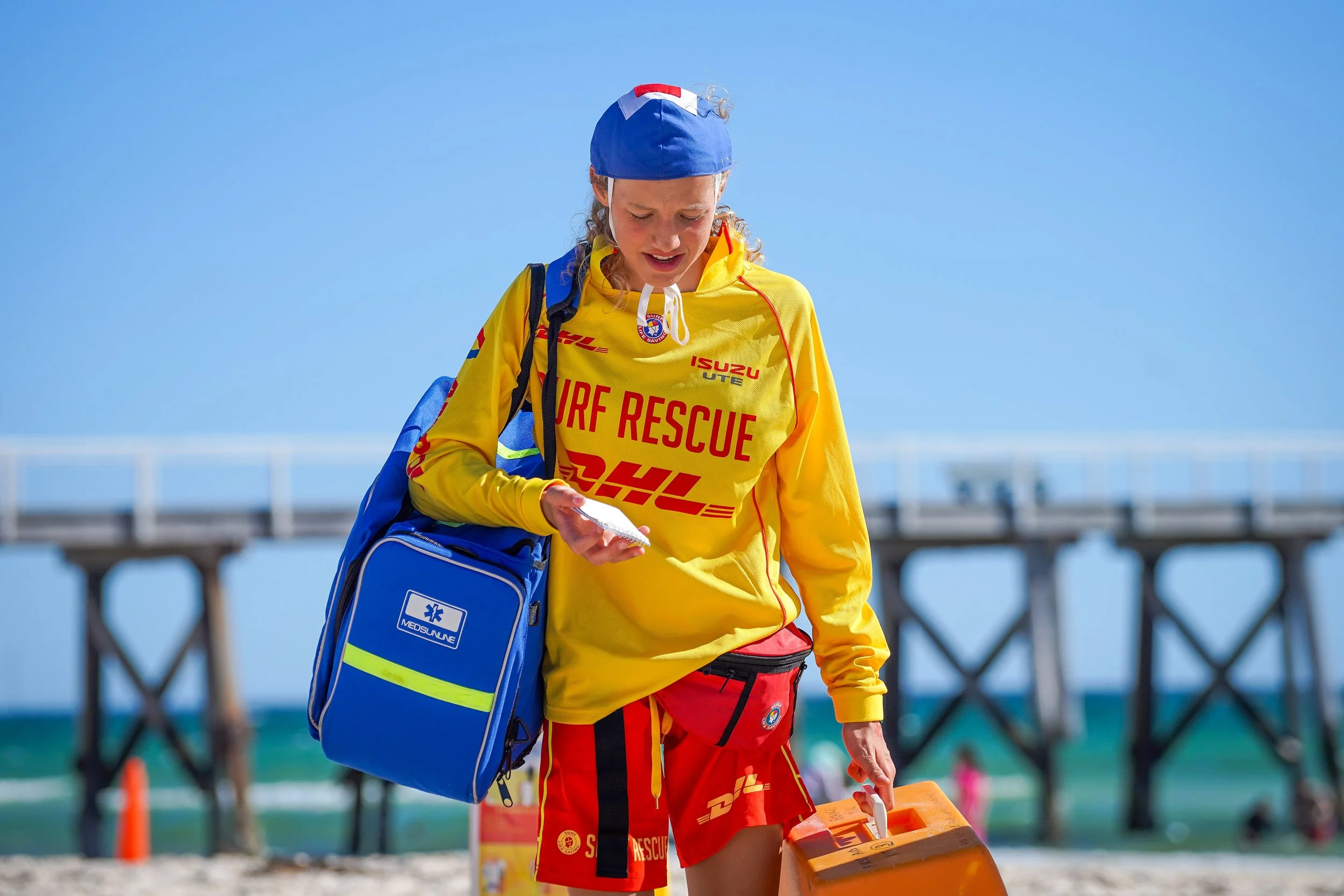
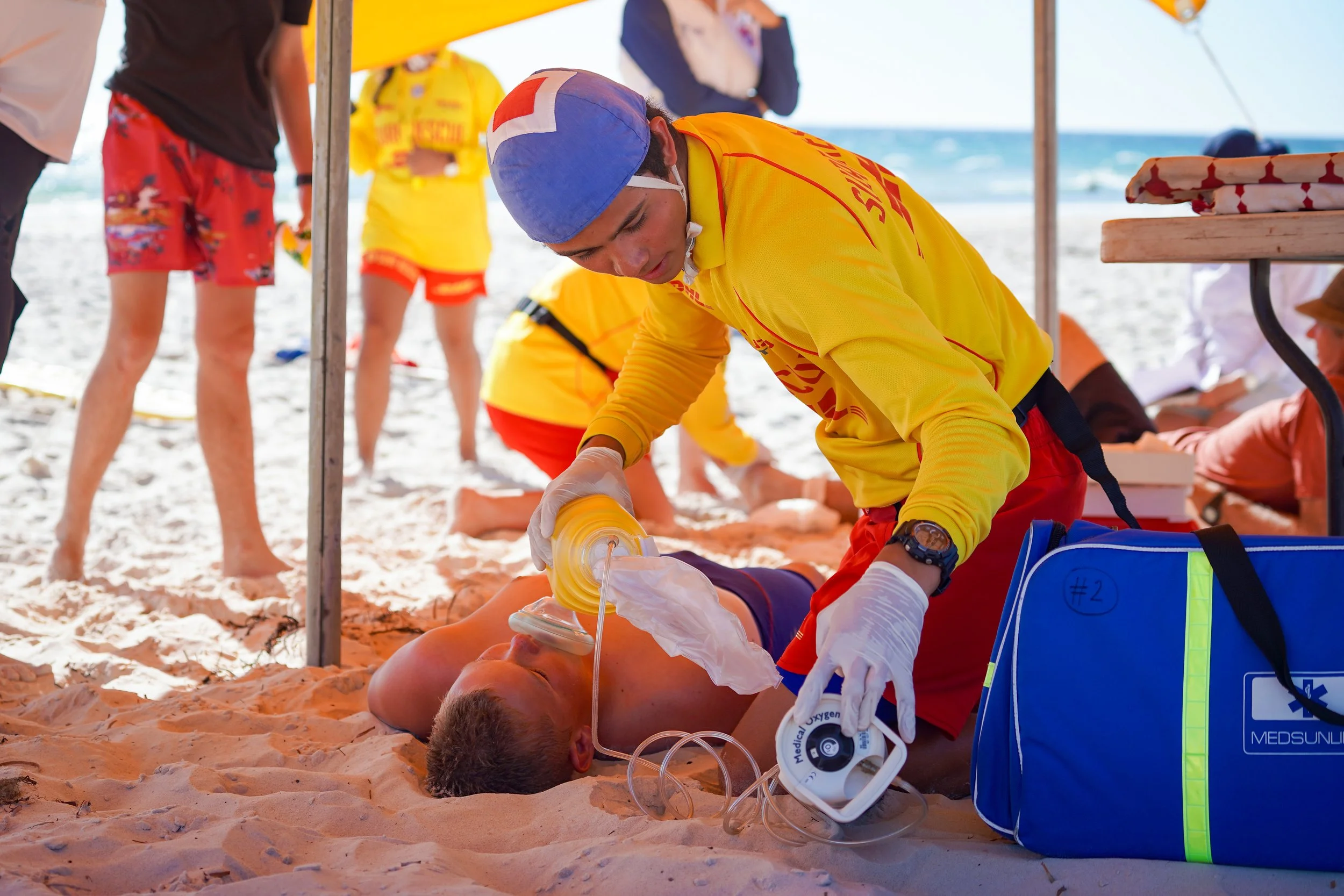
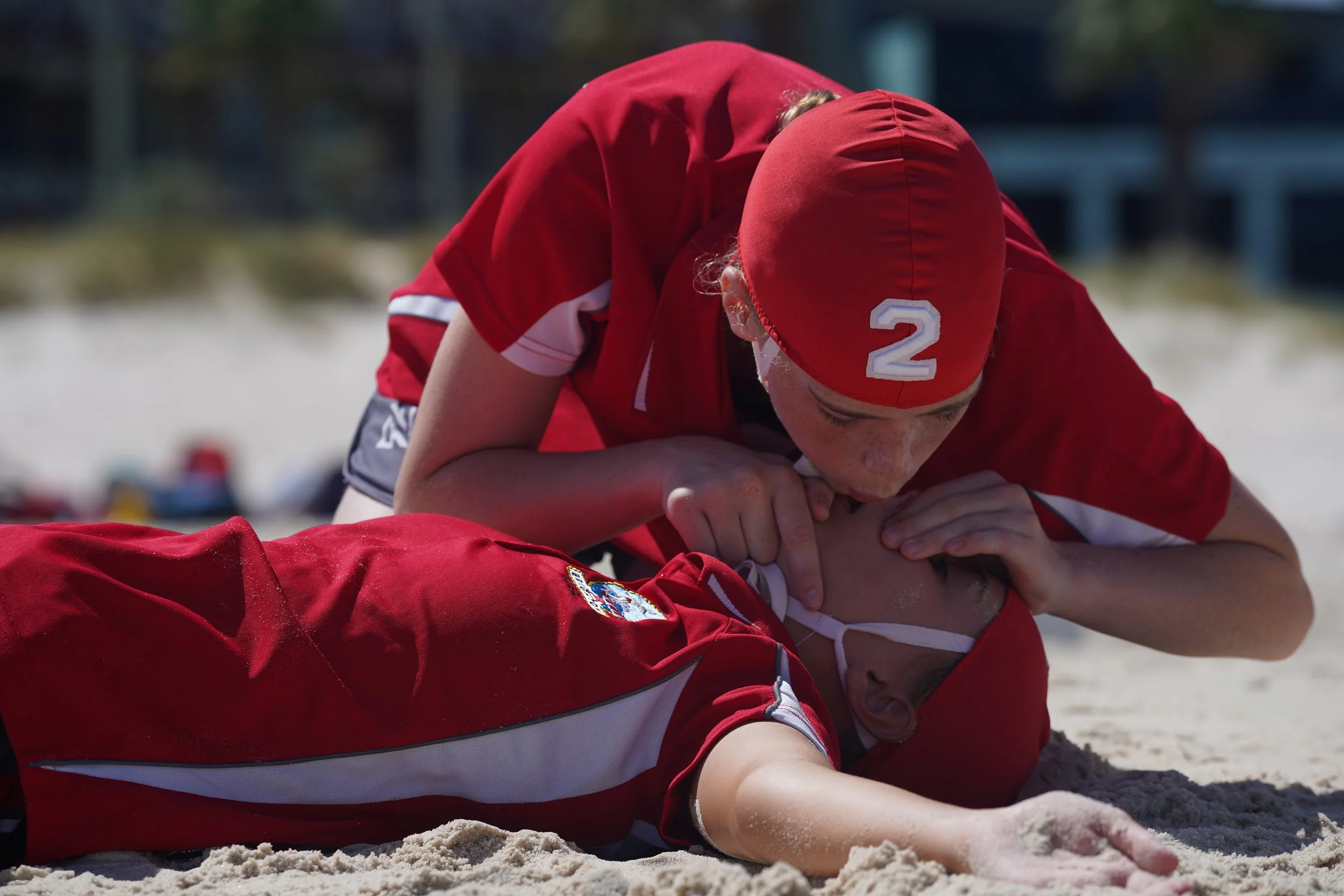
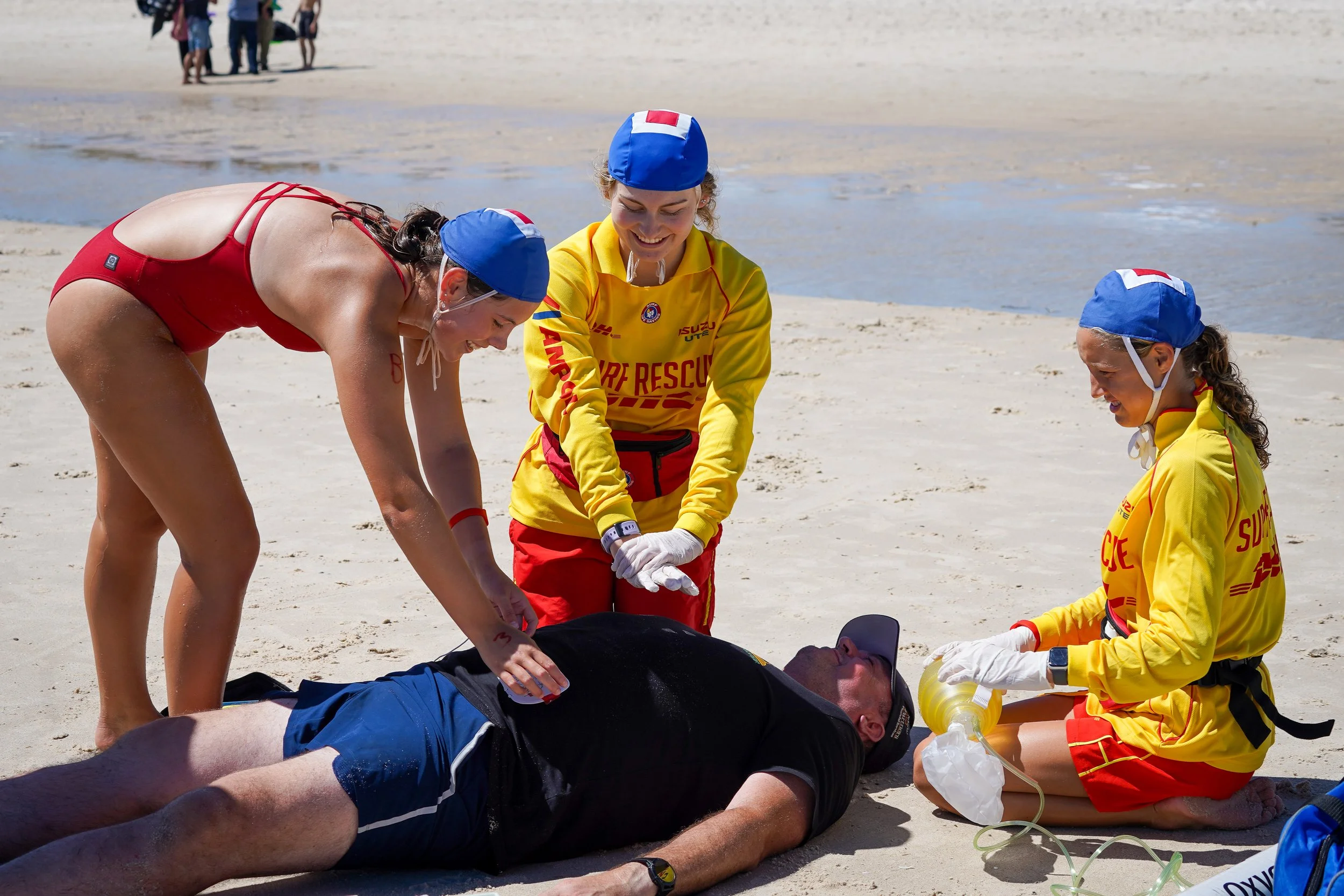
Teams of two respond to a simulated accident within a set time, which varies by age group. Using props and volunteers acting as patients, competitors must assess the situation, identify injuries or conditions and provide appropriate treatment using materials from their first aid kits. Teams are awarded points based on how effectively they meet the judging criteria.
Rescue & Resuscitation
Rescue and Resuscitation simulates the rescue and treatment of a patient from the surf using the traditional belt and reel. The event combines swimming, rescue and resuscitation skills with marching and drill. Teams are assessed throughout the competition against set criteria, including their technique, accuracy, coordination and overall performance.
Champion Lifesaver
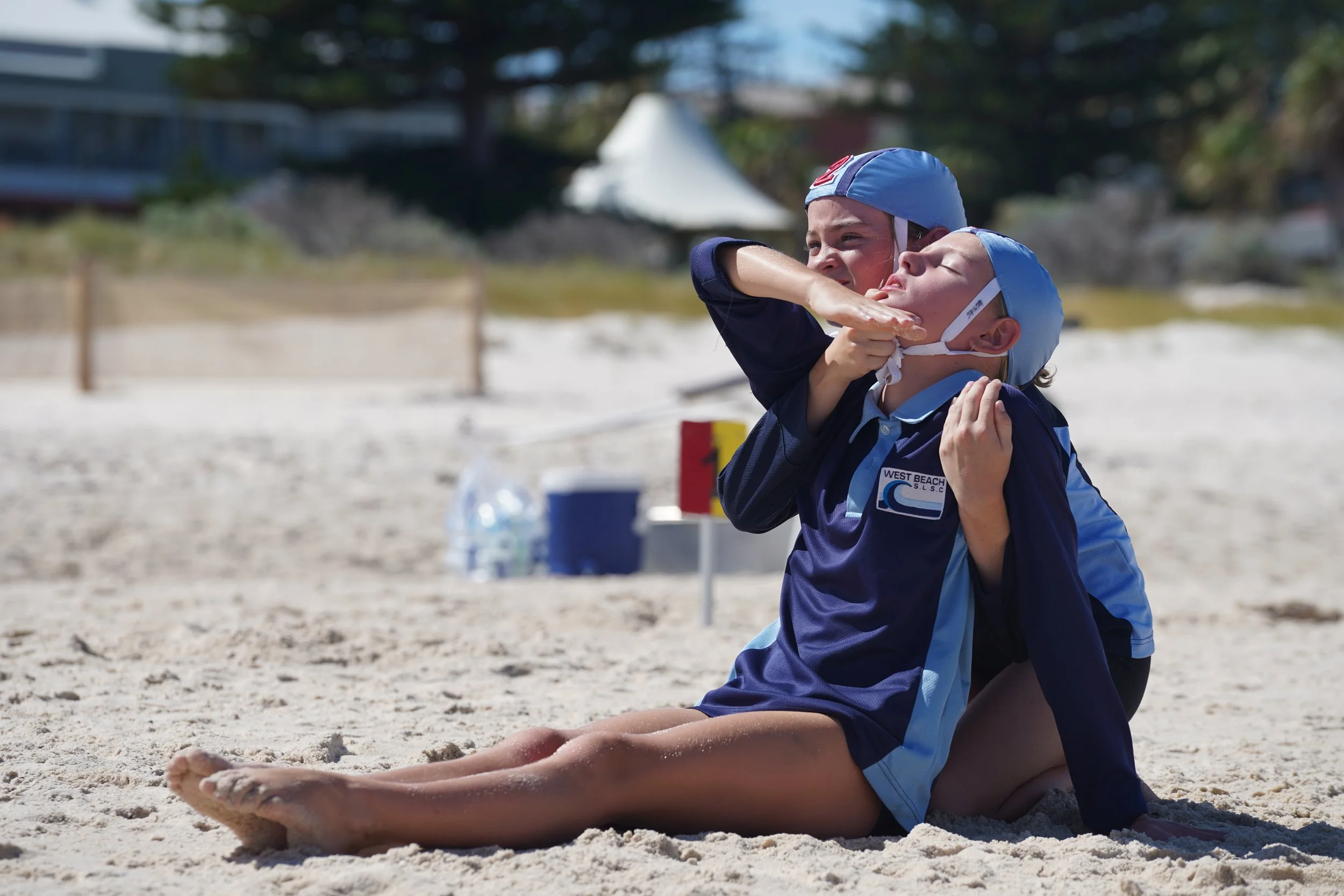
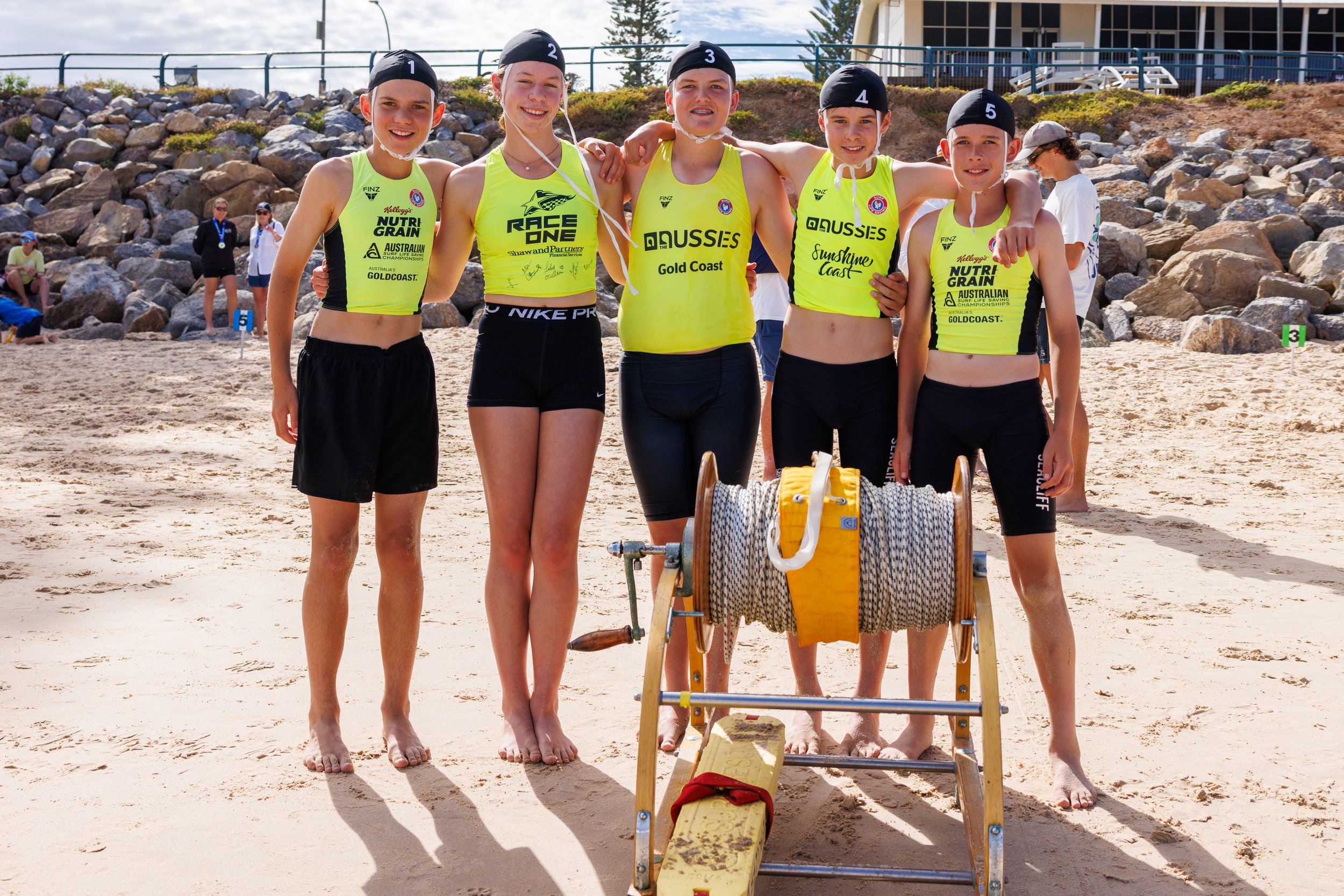
Champion Lifesaver gives competitors the opportunity to demonstrate the physical, practical and theoretical skills required of a surf lifesaver. The event combines a lifesaving question paper and resuscitation assessment with swimming, board racing, beach sprinting and rescue tube racing.
Champion Patrol
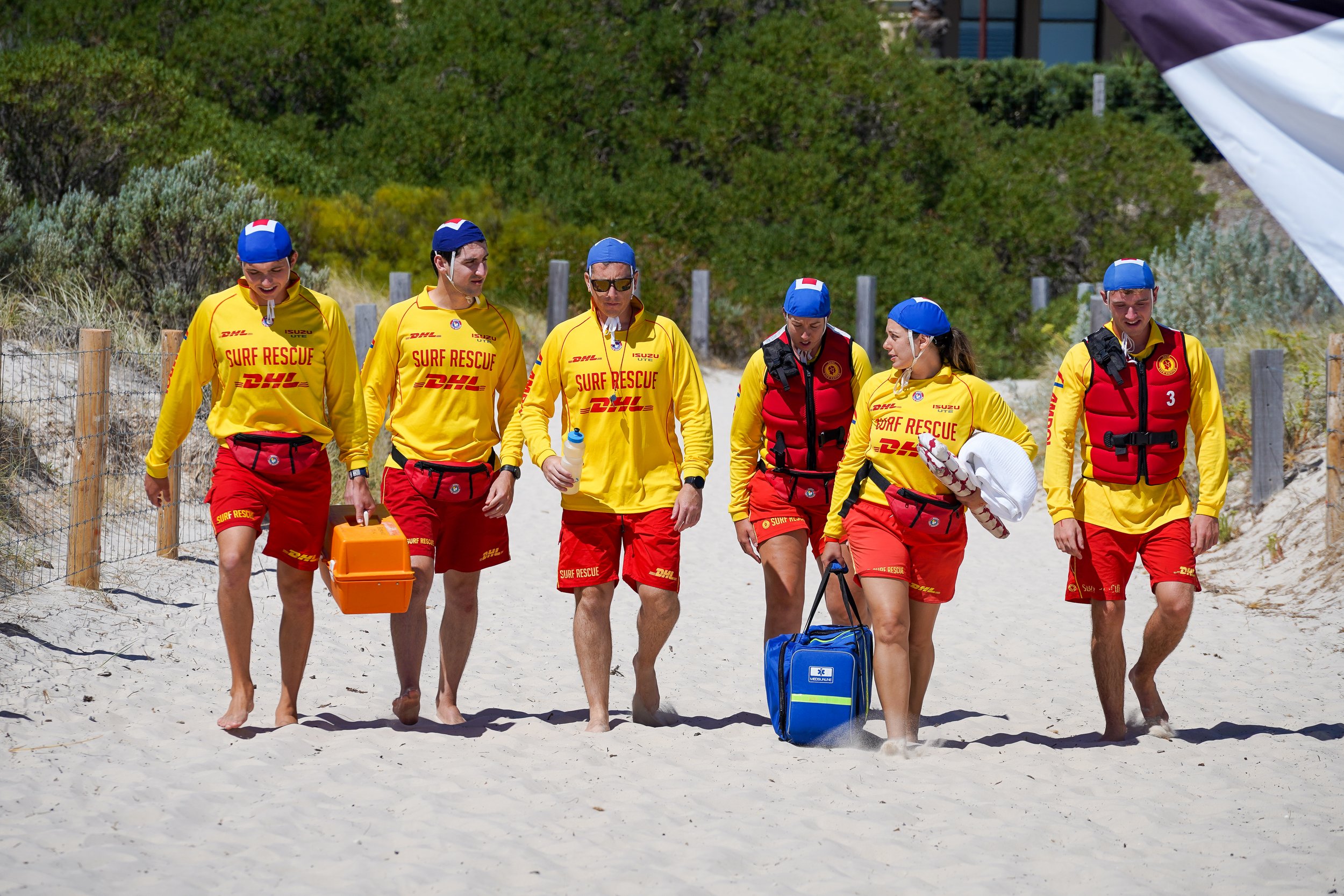
Champion Patrol demonstrates how surf lifesavers work together to perform the skills used during patrol and rescue operations. Teams complete a Surf Teams race, a board and tube rescue relay, a theory paper containing 20 questions, and simulated first aid and CPR scenarios.
Inflatable Rescue Boat (IRB) Racing
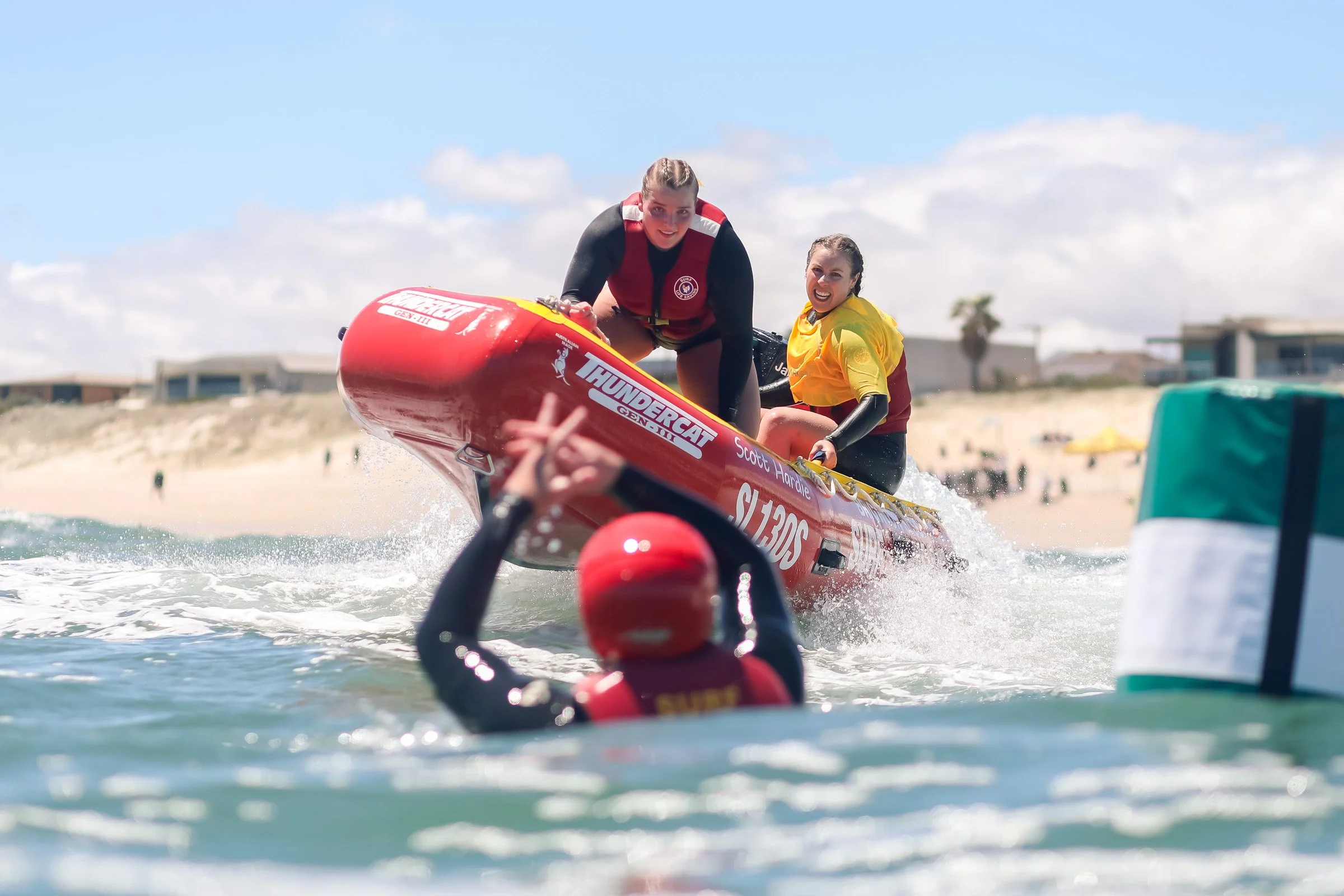
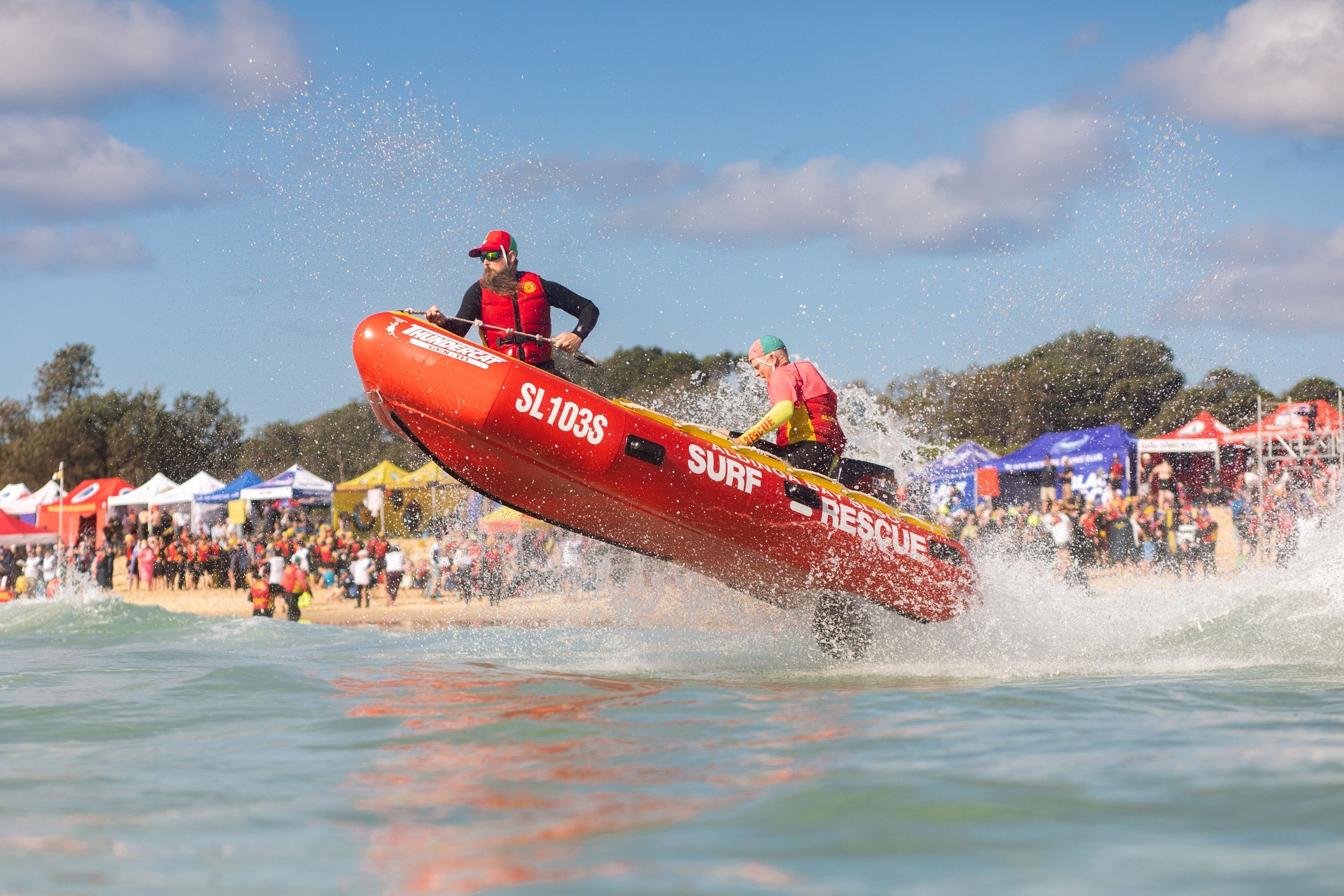
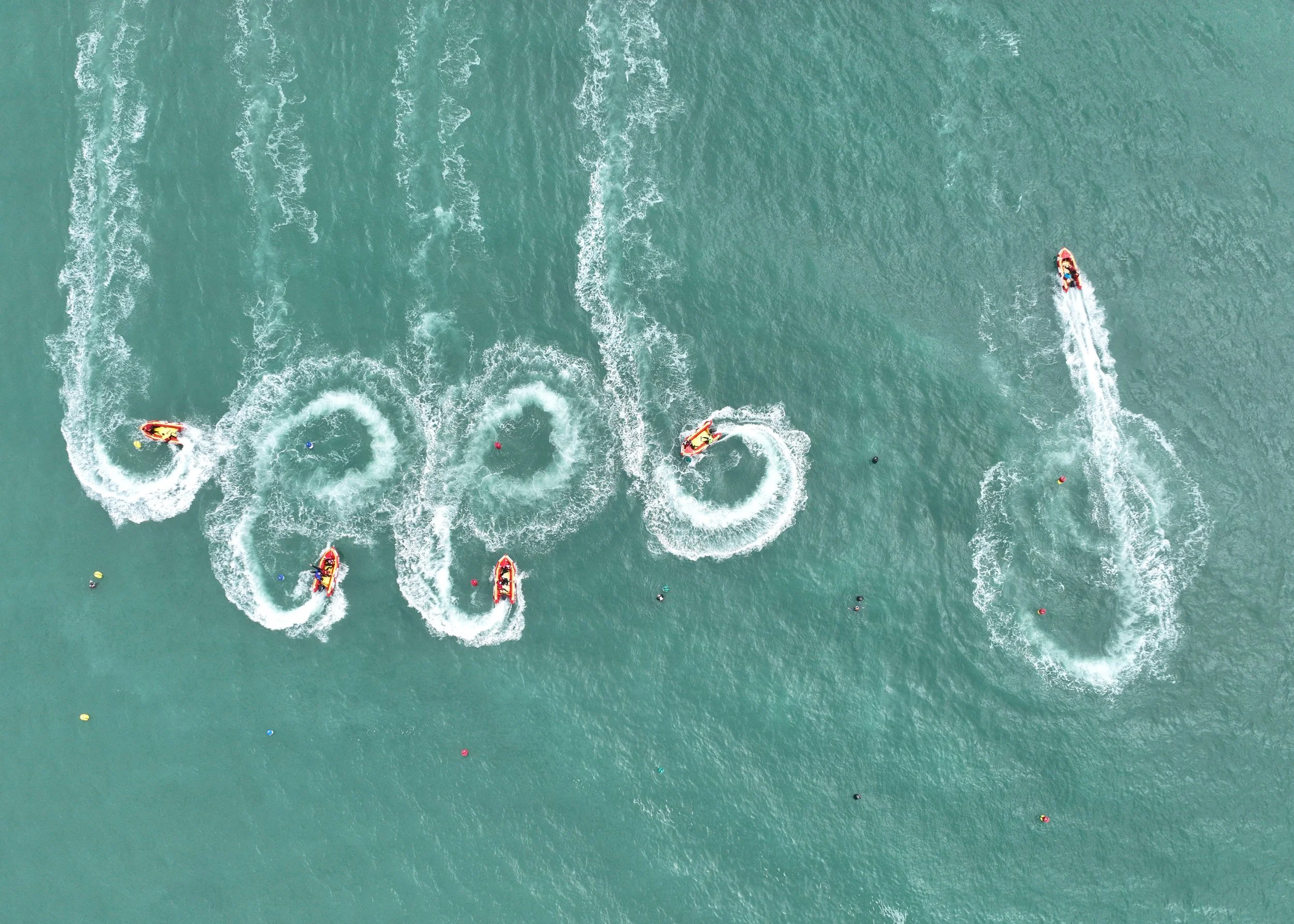
IRB competition helps drivers and crew members refine the skills, teamwork and techniques required to perform fast and effective rescues in the surf. Competitors take part in five events that recreate different rescue scenarios.
IRB Rescue
Teams consist of one patient, one driver and one crew member. The patient begins in the water at a designated buoy, while the driver and crew member start on the beach. At the starter’s signal, they launch the IRB, travel through the surf to collect the patient, round the buoy and return to shore.
IRB Teams Rescue
Teams consist of one patient and two crews, with one driver and one crew member in each crew. The first crew launches the IRB and travels through the surf to the patient. As the IRB rounds the buoy, the first crew member enters the water and the driver returns to shore alone. The second crew member takes control of the IRB while the first driver runs up the beach and tags the second driver. The second crew then relaunches the IRB, collects the patient and first crew member, rounds the buoy and returns to shore.
IRB Mass Rescue
Teams consist of one driver, one crew member and two patients, with both patients beginning in the water. The crew rescues the first patient and returns to shore, where the driver and patient exit the IRB. The driver runs around a marker at the start and finish line before returning to the boat. The crew then relaunches the IRB, rescues the second patient and returns to shore to finish the event.
IRB Rescue Tube
Teams consist of one patient, one driver and one crew member. The crew launches the IRB, travels through the surf and turns around its designated buoy. The crew member enters the water, swims to the patient and secures a rescue tube around their arms before towing them back to the IRB. Once both are safely aboard, the driver rounds the buoy and returns to shore.
IRB Relay
The IRB Relay combines four events in one continuous race. Teams complete the Rescue Tube, Mass Rescue, Teams Rescue and Rescue events in that order. Each leg follows its standard format, with adjusted changeovers between events.
Pool Rescue
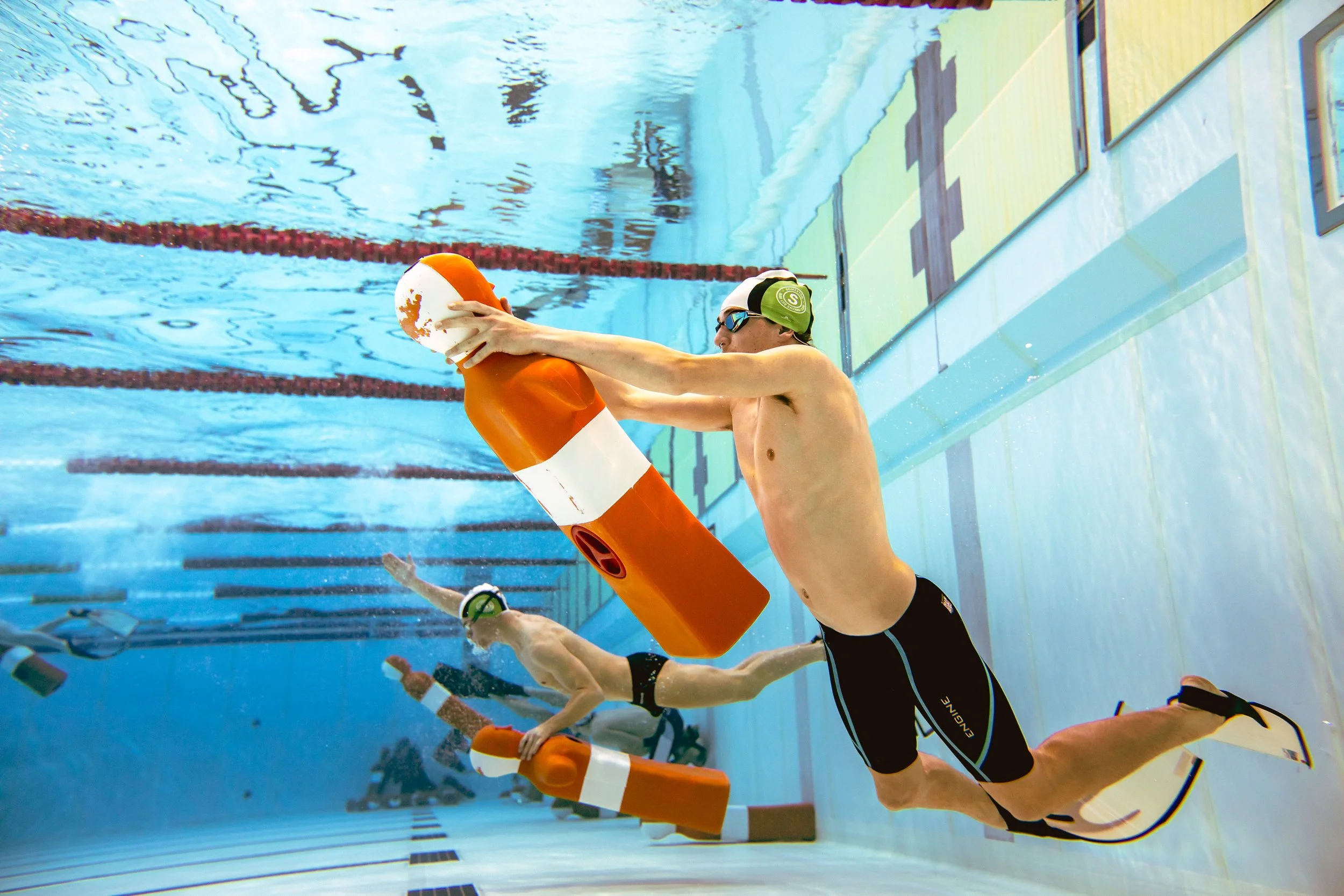
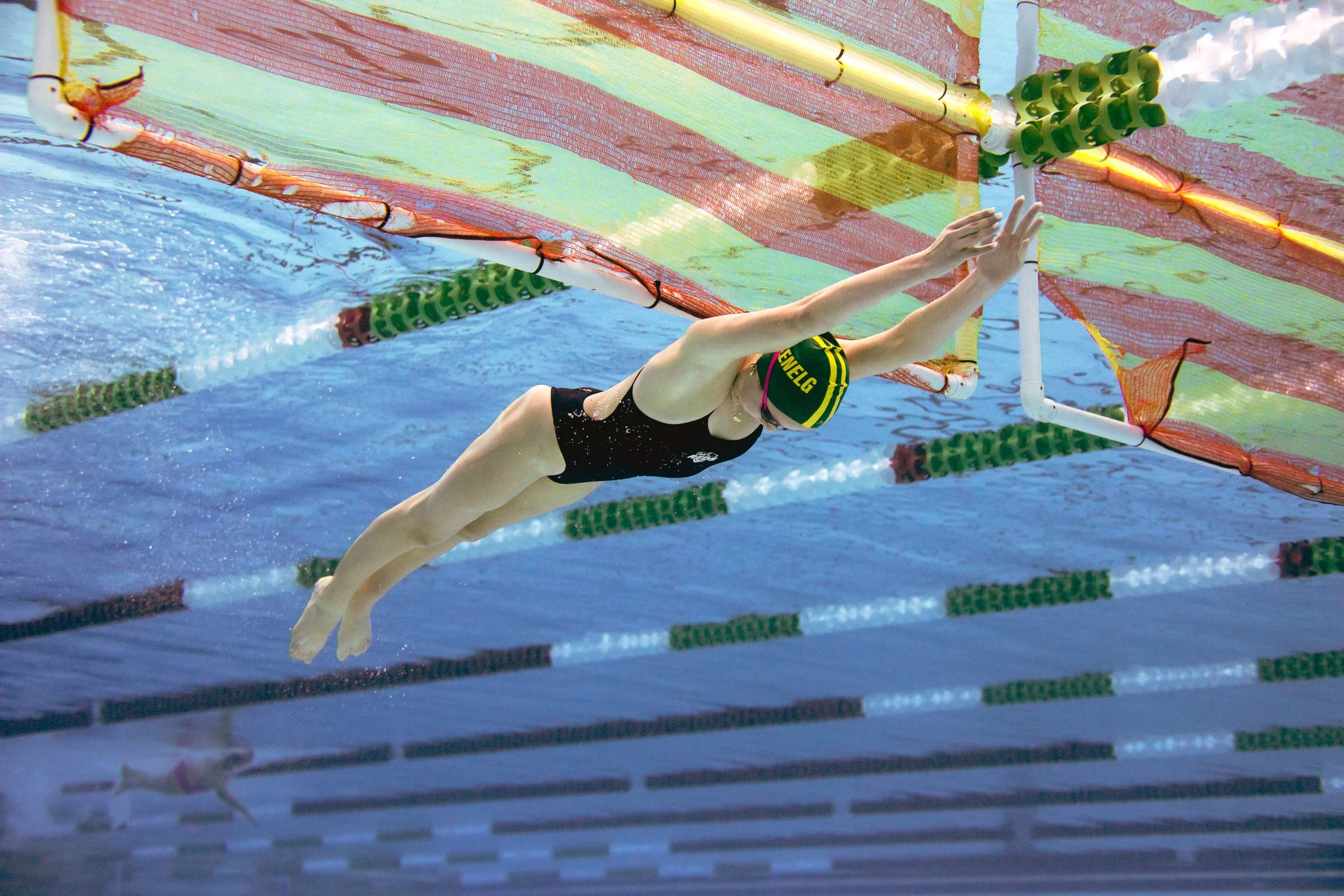
Pool rescue brings lifesaving skills into a controlled competition environment, testing speed, endurance, technique and rescue ability. With individual and team disciplines available, it offers a fast, technical and exciting challenge for competitors of all levels.
Obstacle Swim: Competitors swim 200 metres freestyle, passing beneath eight immersed obstacles. Competitors in the U11 to U13 and 60 years and over age groups swim 100 metres and pass beneath four obstacles.
Obstacle Relay: Teams of four complete a freestyle relay, with each competitor swimming 50 metres and passing beneath two immersed obstacles.
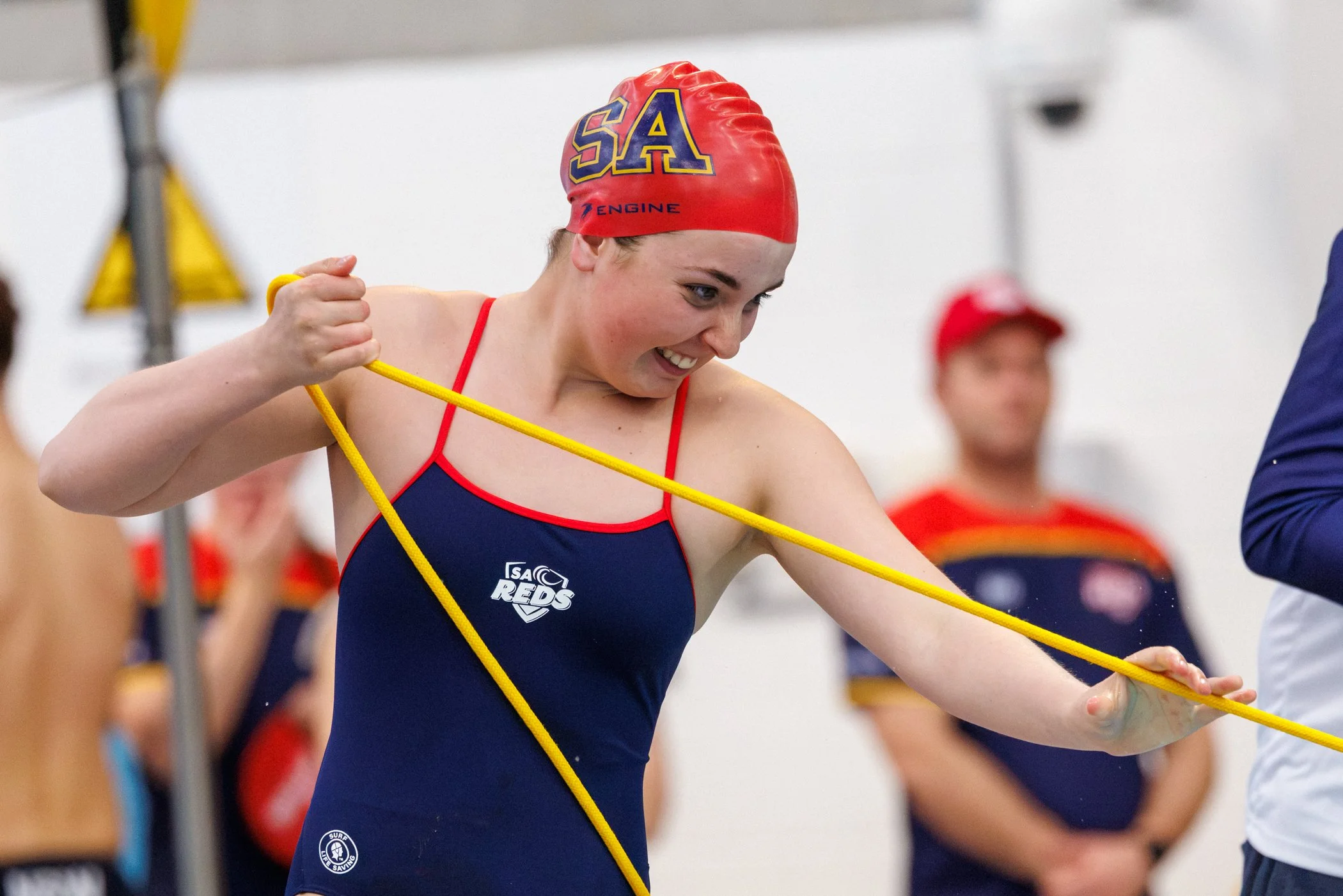
Line Throw: In this timed event, a competitor throws an unweighted line to a teammate in the pool and pulls them back to the poolside. The distance is 12.5 metres, or 10 metres for U11 to U13 competitors.
Freestyle with Fins: From a dive start, competitors complete a 50 metre freestyle swim wearing fins.
Patient Tow (Juniors): From a dive start, the rescuer swims 50 metres freestyle with fins and a rescue tube to a waiting patient. The rescuer secures the tube around the patient before towing them back to the starting end of the pool.
Manikin Tow (Seniors): Competitors swim 50 metres freestyle with fins while towing a rescue tube. At the turning end, they secure the tube around a floating manikin and tow it 50 metres back to the finish.
Rescue Medley (Seniors): Competitors swim 50 metres freestyle before turning and swimming 17.5 metres underwater to a submerged manikin. They recover the manikin and carry it to the finish end of the pool.
Manikin Carry (Seniors): Competitors swim 25 metres freestyle, recover a submerged manikin and carry it to the finish. U14 competitors swim 35 metres before recovering the manikin.
Manikin Carry with Fins (Seniors): Competitors swim 50 metres freestyle with fins, recover a submerged manikin and carry it 50 metres to the finish.
Brick Carry (Juniors): From a dive start, competitors swim 25 metres freestyle before recovering a submerged rubber brick. The brick must be brought to the surface within five metres of the pick up line and carried to the finish. U11 competitors may wear fins.
Brick Carry Relay (Juniors): Teams of four complete a relay, with each competitor swimming 25 metres while carrying a rubber brick.
Manikin Relay (Seniors): Teams of four complete a relay, with each competitor swimming 25 metres while carrying a manikin.
Medley Relay: Teams of four complete different 50 metre legs consisting of freestyle without fins, freestyle with fins, freestyle towing a rescue tube without fins, and freestyle with fins while towing a teammate to the finish.
Super Lifesaver (Seniors): Competitors swim 75 metres freestyle, recover a submerged manikin and carry it 25 metres to the turning end. They then put on fins, swim 50 metres with a rescue tube and secure it around a floating manikin before towing the manikin to the finish.
Lifesaver Relay (Seniors): Teams consist of two male and two female competitors, with each completing a different 50 metre leg. The relay combines freestyle swimming with and without fins, retrieving a submerged manikin and carrying the manikin to the finish.
Ready to start your journey?
Find a club
Click here to find a club near you!
Contact us
If you have any further inquiries, please feel free to reach out to us via Surf.Sports@surflifesavingsa.com.au or by calling 8354 6900 during office hours.