
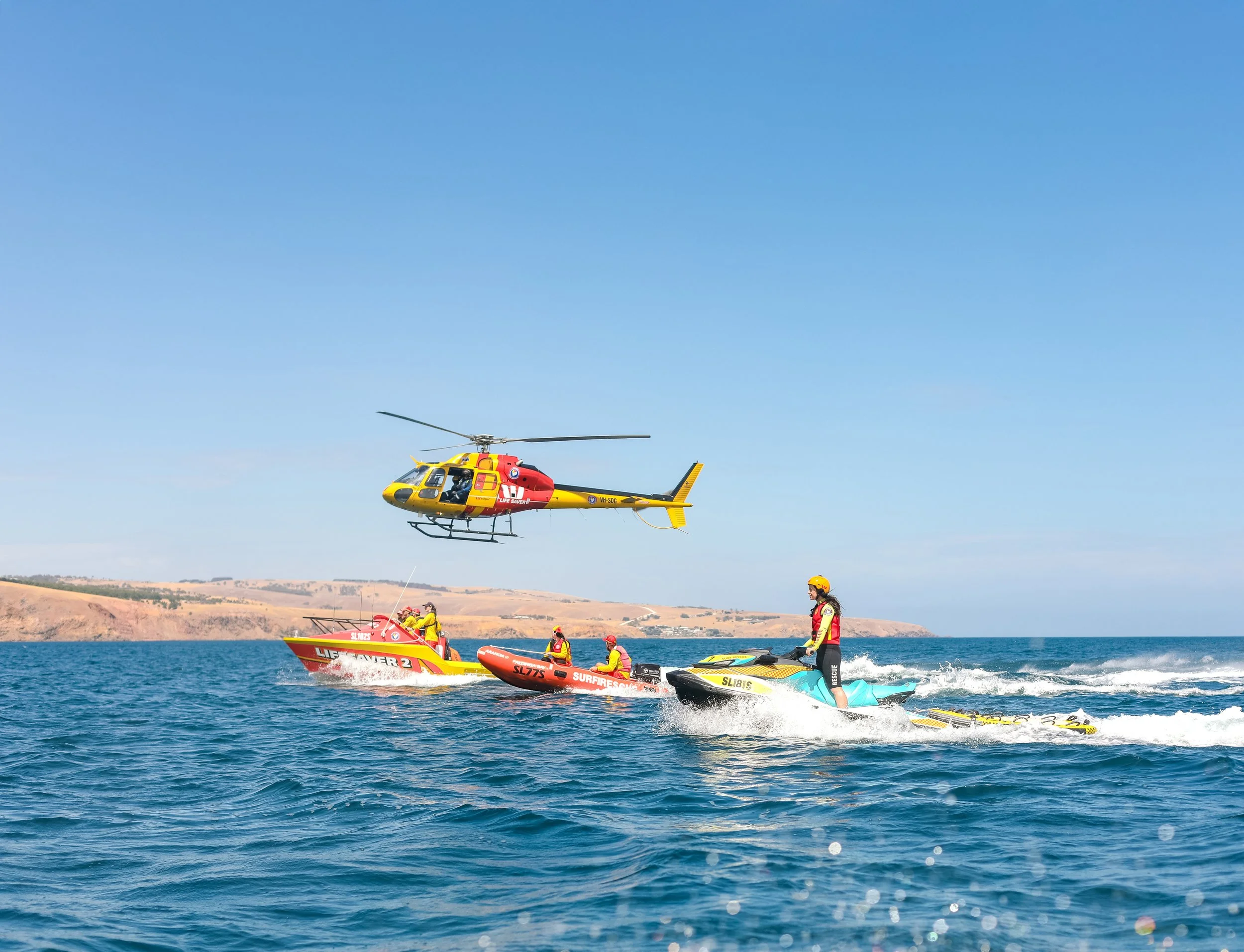
POWERCRAFT & EMERGENCY OPERATIONS
Insert text - something about how you have to sign up and become a member at a club to complete these qualifications
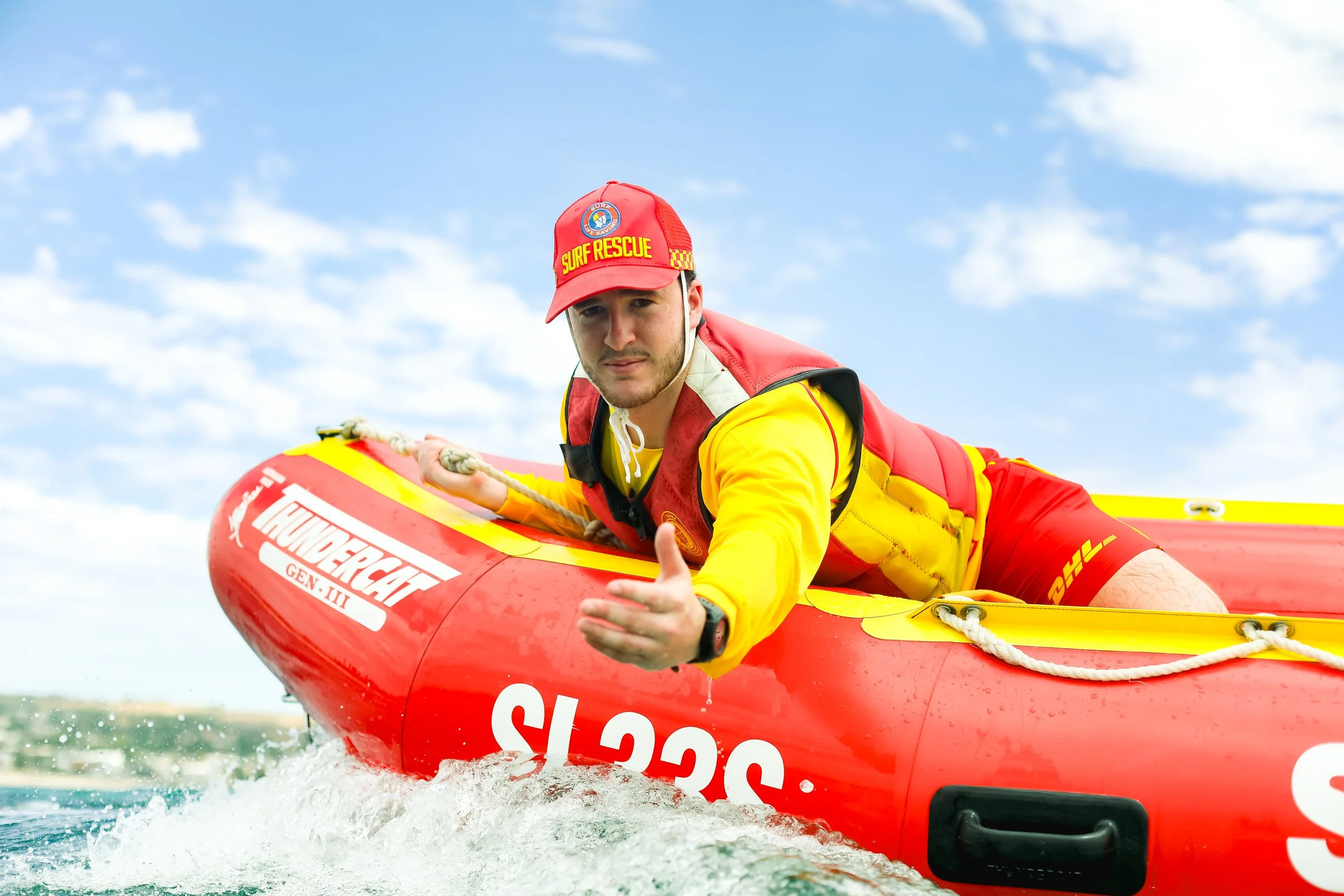
inflatable Rescue Boat (IRB) Crew
What is it?
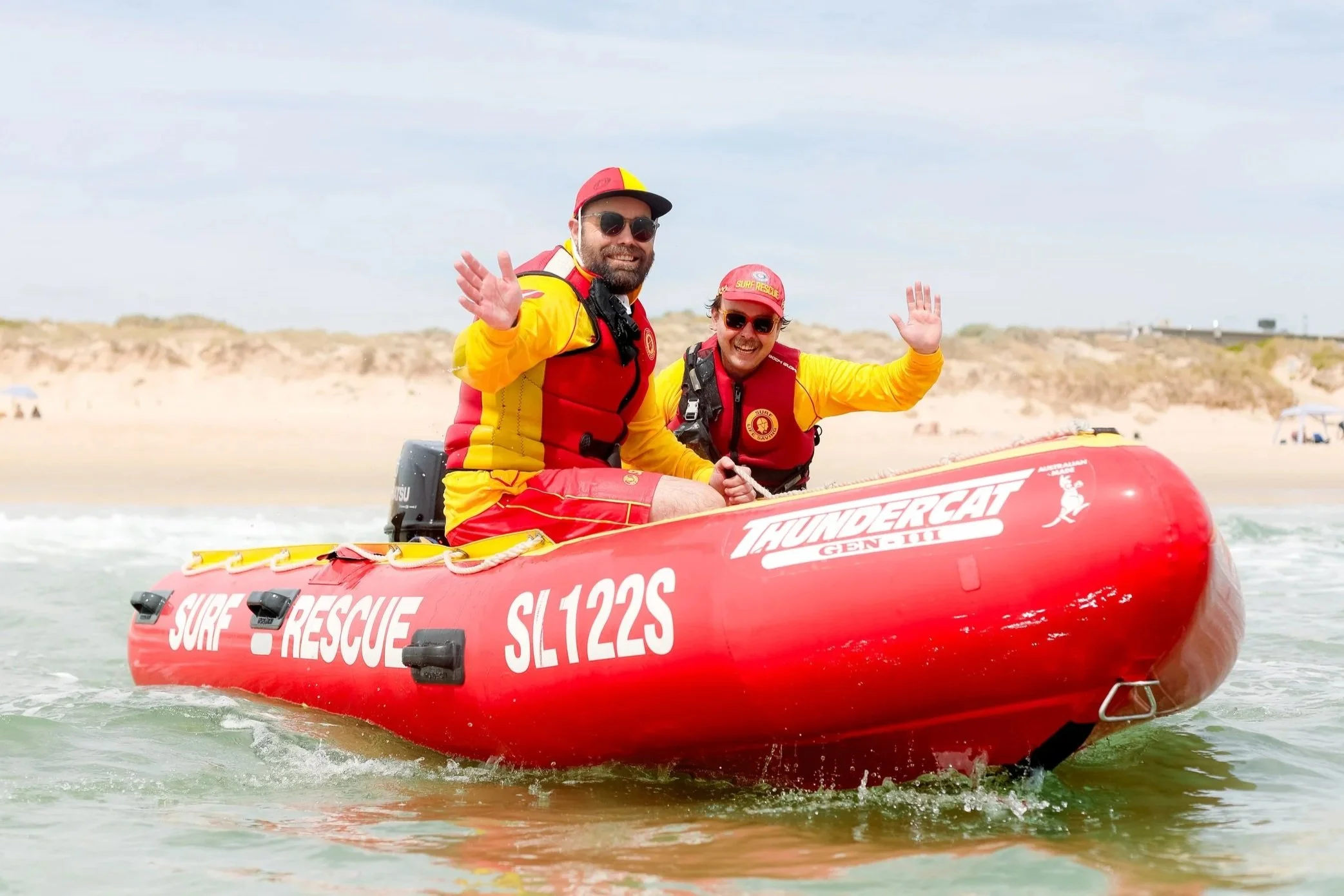
The Inflatable Rescue Boat (IRB) is a crucial piece of lifesaving equipment, operated by two people: the driver and the crew.
The IRB Crew course teaches you to operate an IRB safely during surf rescues and water safety activities. You’ll learn to help launch and recover the craft, assist with rescues, support safe operations, communicate effectively with the driver while operating in various surf conditions.
Where can it lead?
The IRB Crew Award can lead to the IRB Driver Award, IRB racing, event water safety, and broader Emergency Operations roles.
What are the requirements?
Minimum 15 years old
Hold a SLSA Bronze Medallion
Will I need to get wet?
Yes
This could suit you if you are:
Calm in emergency situations
???
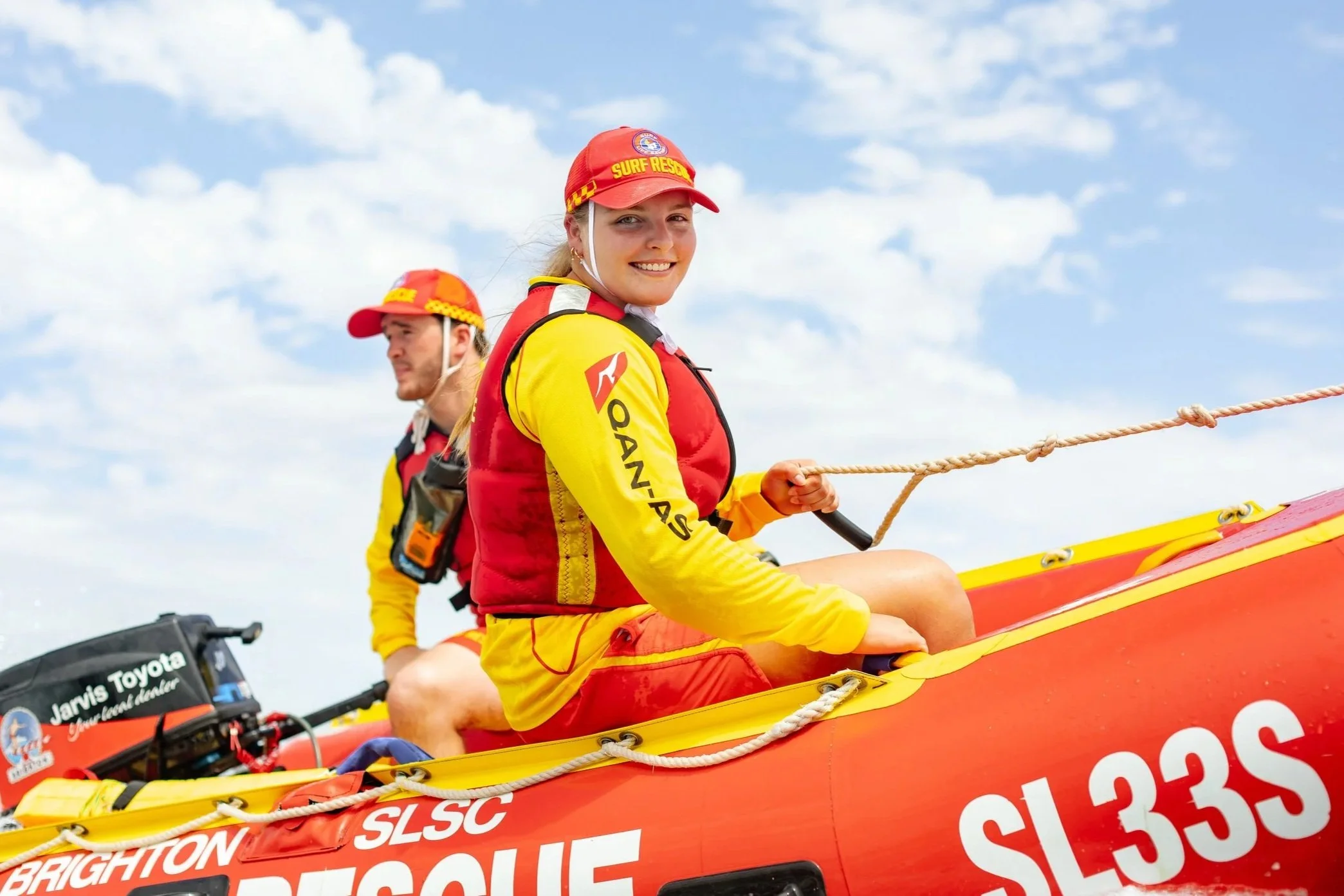
inflatable Rescue Boat (IRB) Driver
What is it?
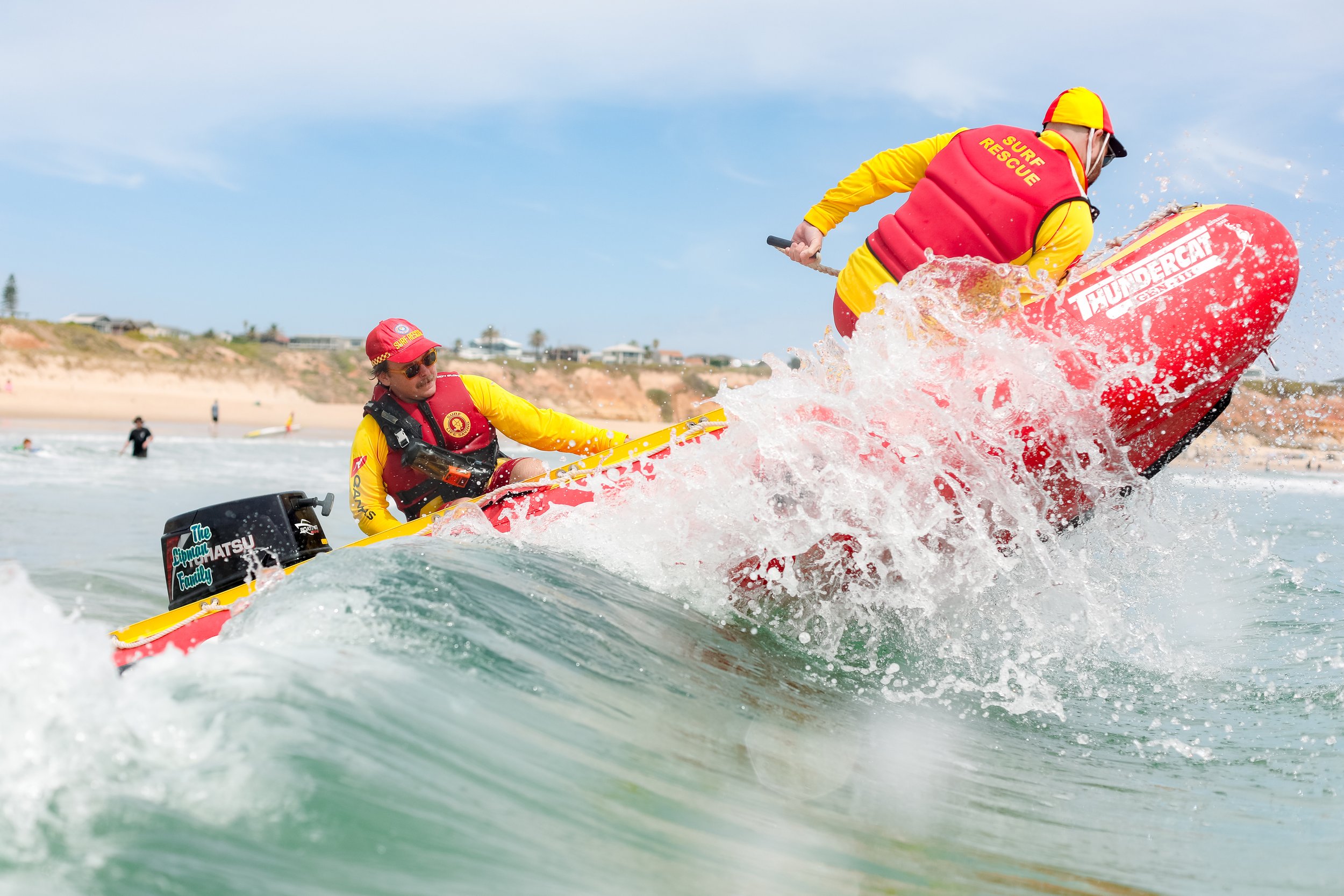
The Inflatable Rescue Boat (IRB) is a crucial piece of lifesaving equipment, operated by two people: the driver and the crew.
The IRB Driver course teaches you to operate an IRB safely during surf rescues and water safety activities. You’ll learn to launch and recover the craft, navigate various surf conditions, communicate with your crew and manage the craft during rescue operations.
Where can it lead?
IRB Driver can lead to IRB racing, event water safety, and entry into the Emergency Operations Group.
What are the requirements?
Minimum 17 years old
Hold a SLSA Bronze Medallion
Hold an IRB Crew award
Hold a current SA boat licence
Will I need to get wet?
Yes
This could suit you if you are:
Calm and confident under pressure
A clear communicator
Able to make decisions in changing conditions
Experienced in operating or navigating boats
Rescue Water Craft (JetSki)
What is it?
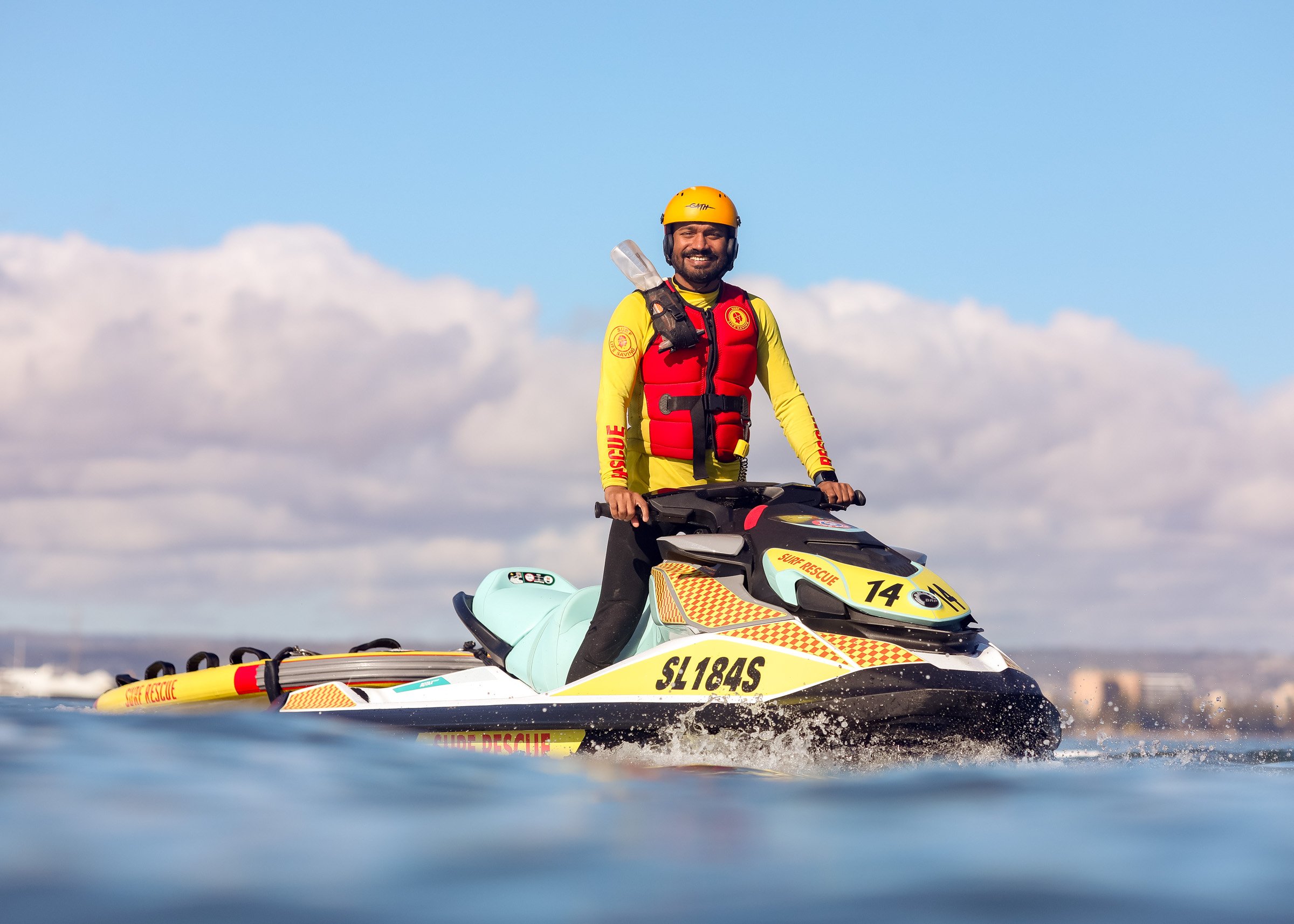
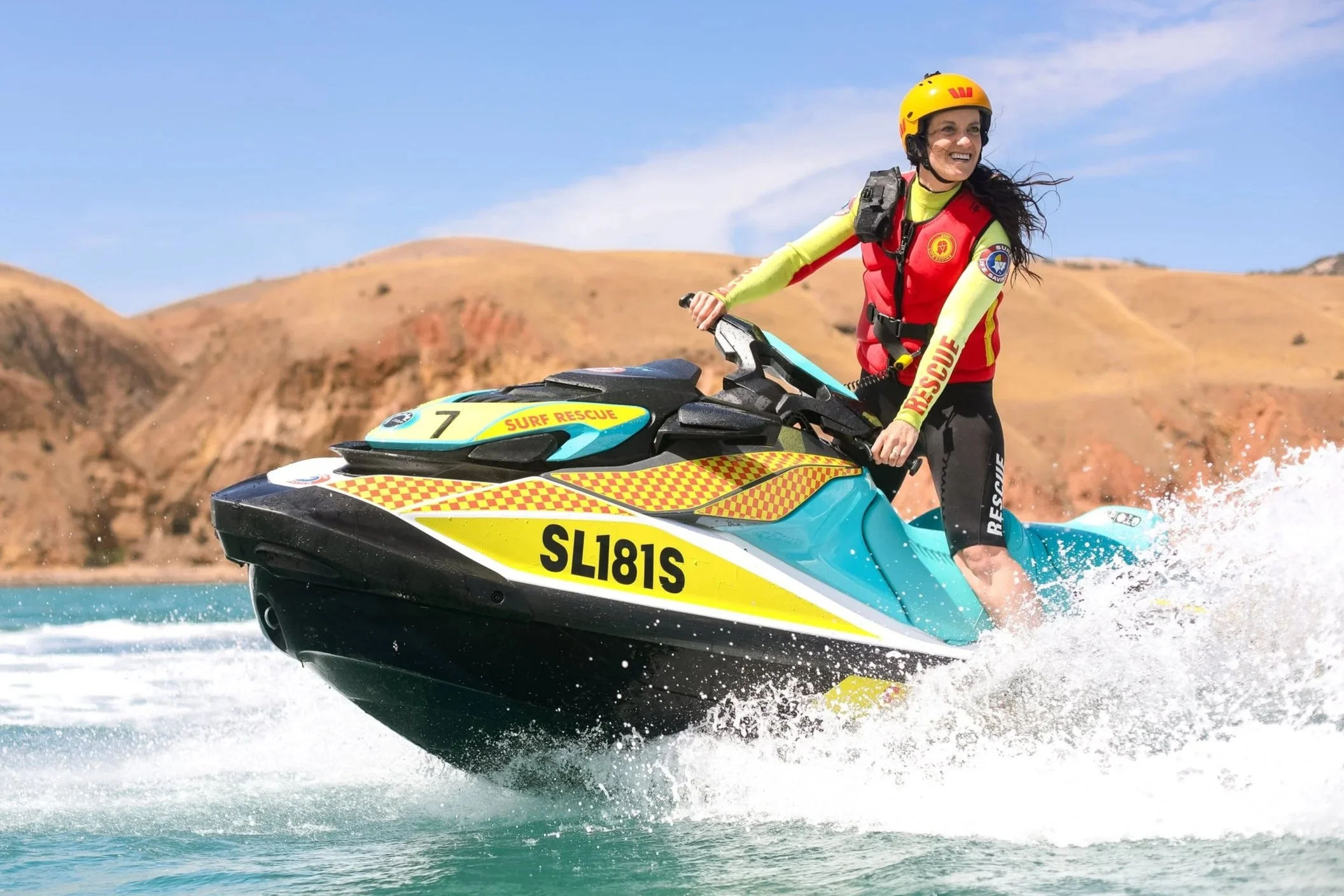
The Rescue Watercraft (RWC) Operator pathway prepares experienced lifesavers to operate jet skis for coastal patrols, surveillance and high-speed rescues across large stretches of coastline, including areas between patrolled beaches. You’ll develop advanced watercraft and rescue skills for responding in challenging coastal conditions. As a frontline responder, you’ll work closely with on-beach lifesavers, Sea Rescue and SA Water Police.
Where can it lead?
This can support progression into broader Emergency Operations and operational leadership roles.
What are the requirements?
Minimum 18 years old
Provide First Aid HLTAID011
Hold a SLSA Bronze Medallion
Hold an Advanced Resuscitation Techniques award
Hold a current driver's licence
Hold a current SA boat licence
Will I need to get wet?
Yes
This could suit you if you are:
Confident in and around the water
Calm and confident under pressure
A clear communicator
Able to make decisions in changing conditions
Experienced in driving and navigating jet skis, particularly in surf conditions
Jet Rescue Boat (JRB) Crew
What is it?
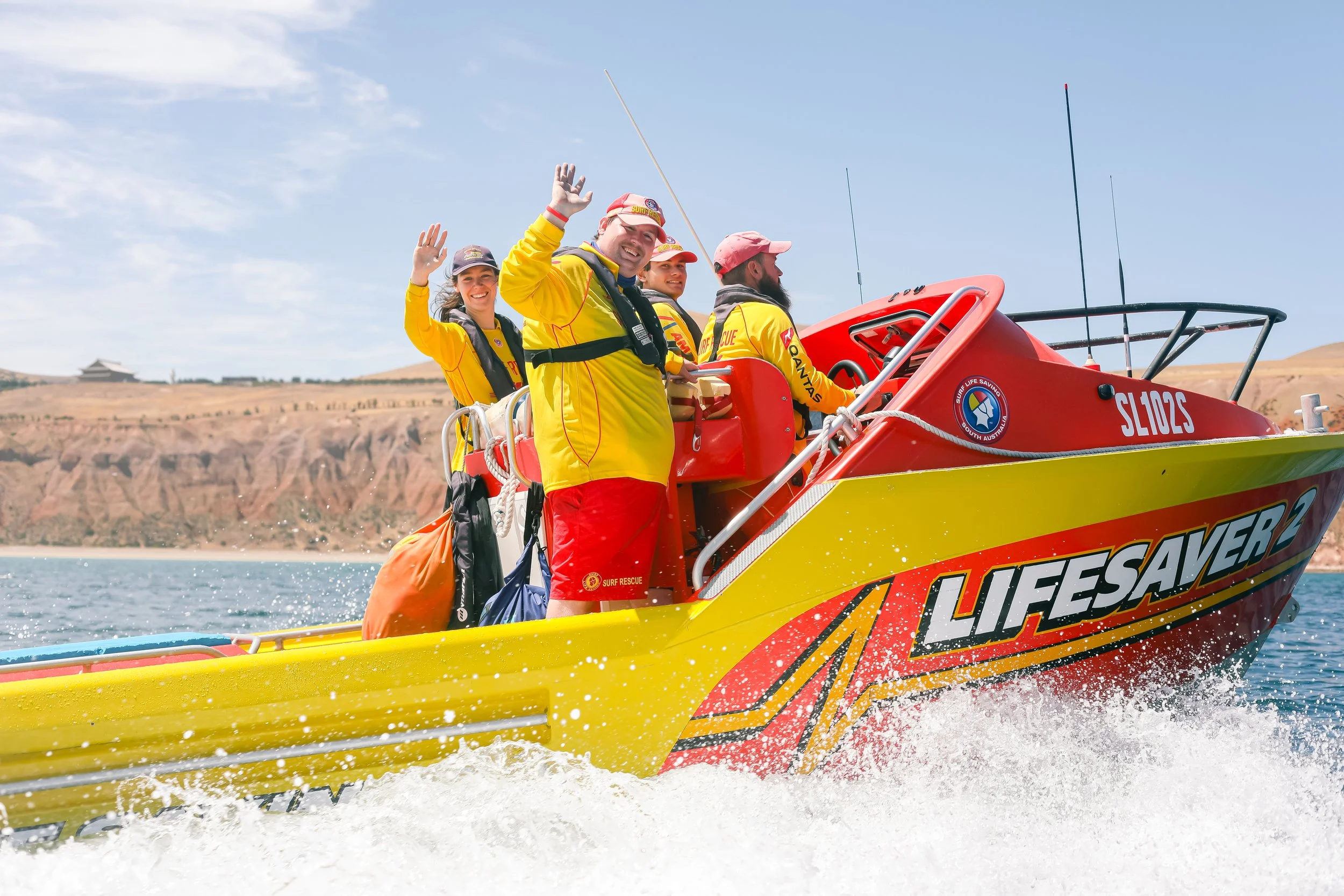
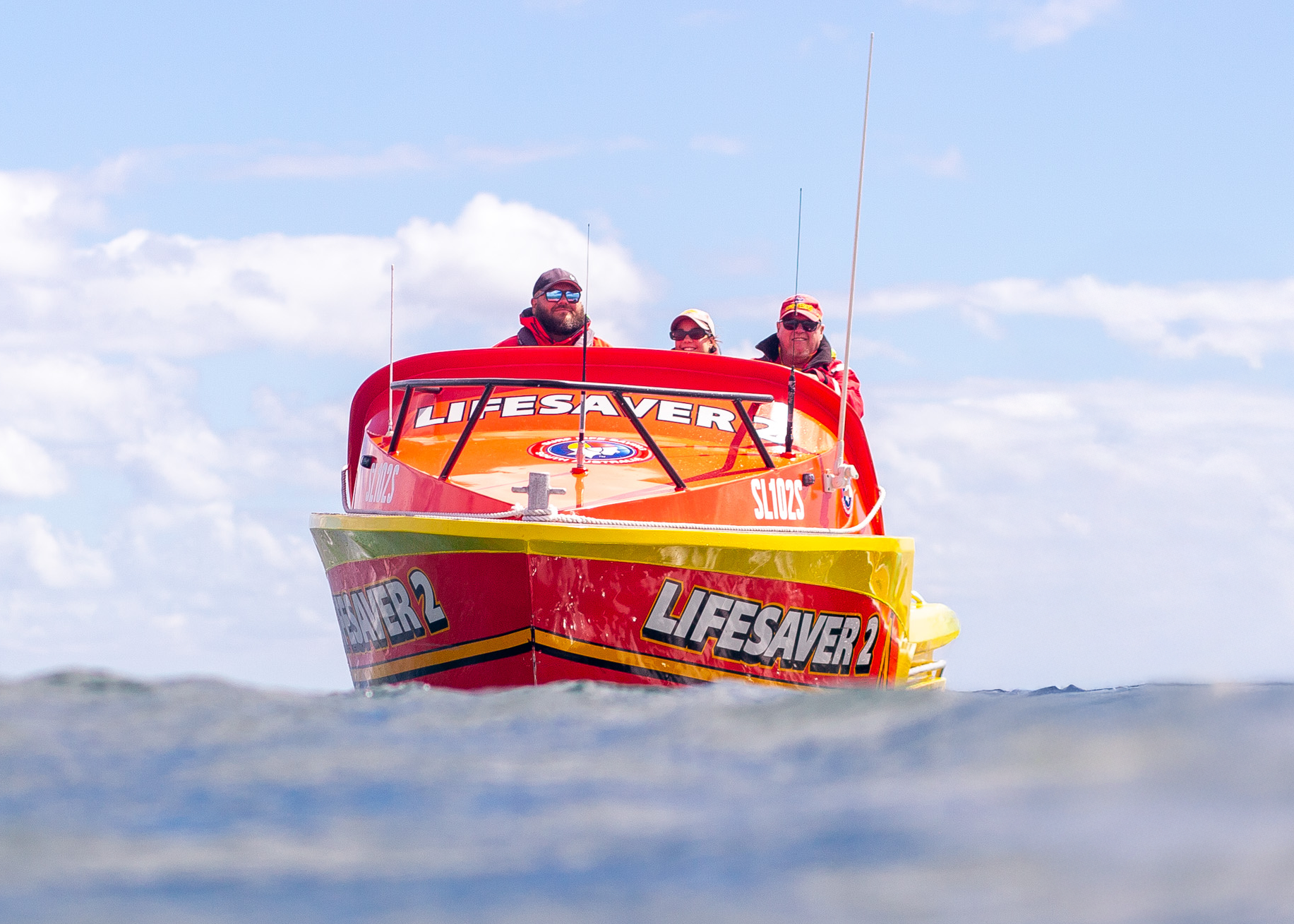
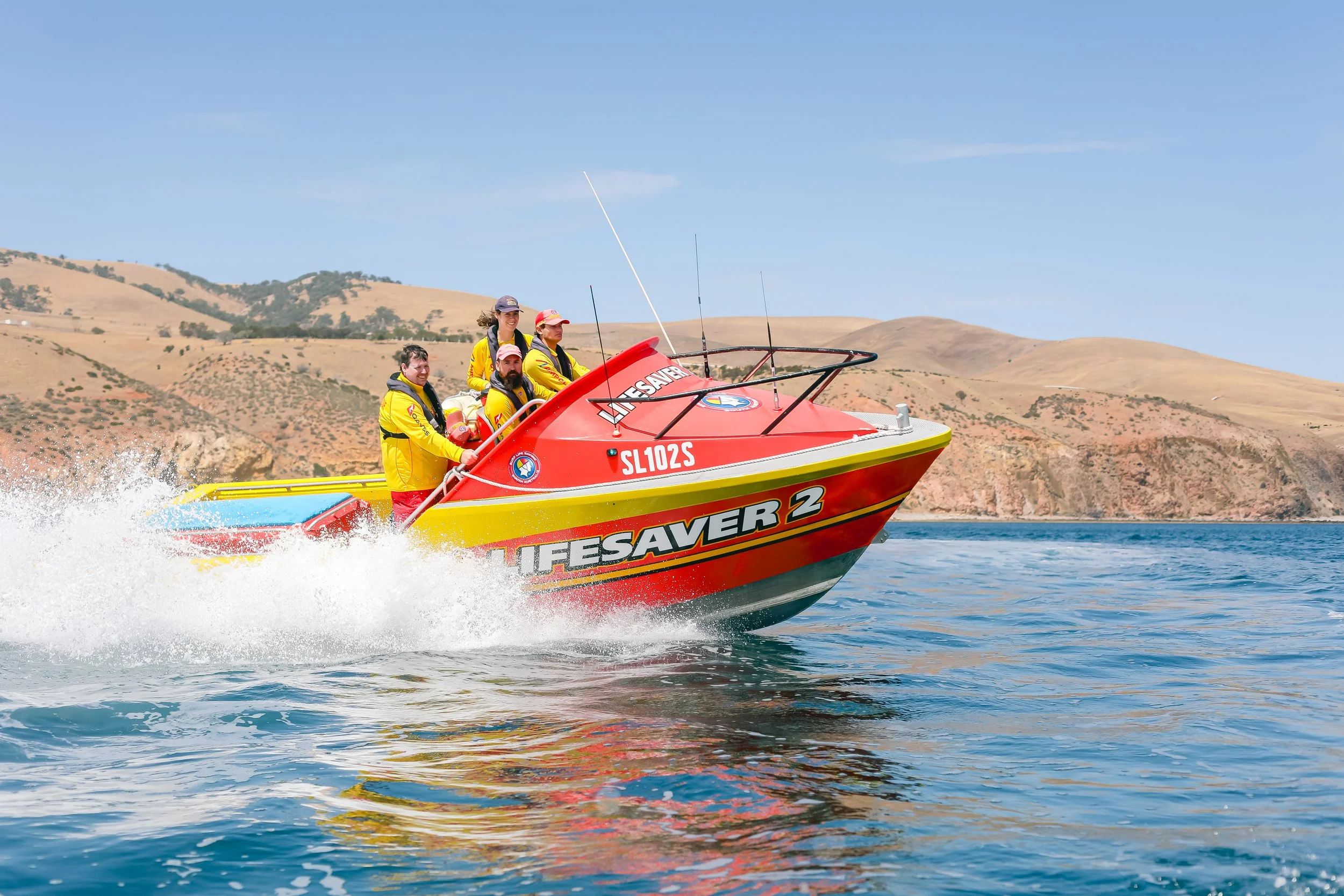
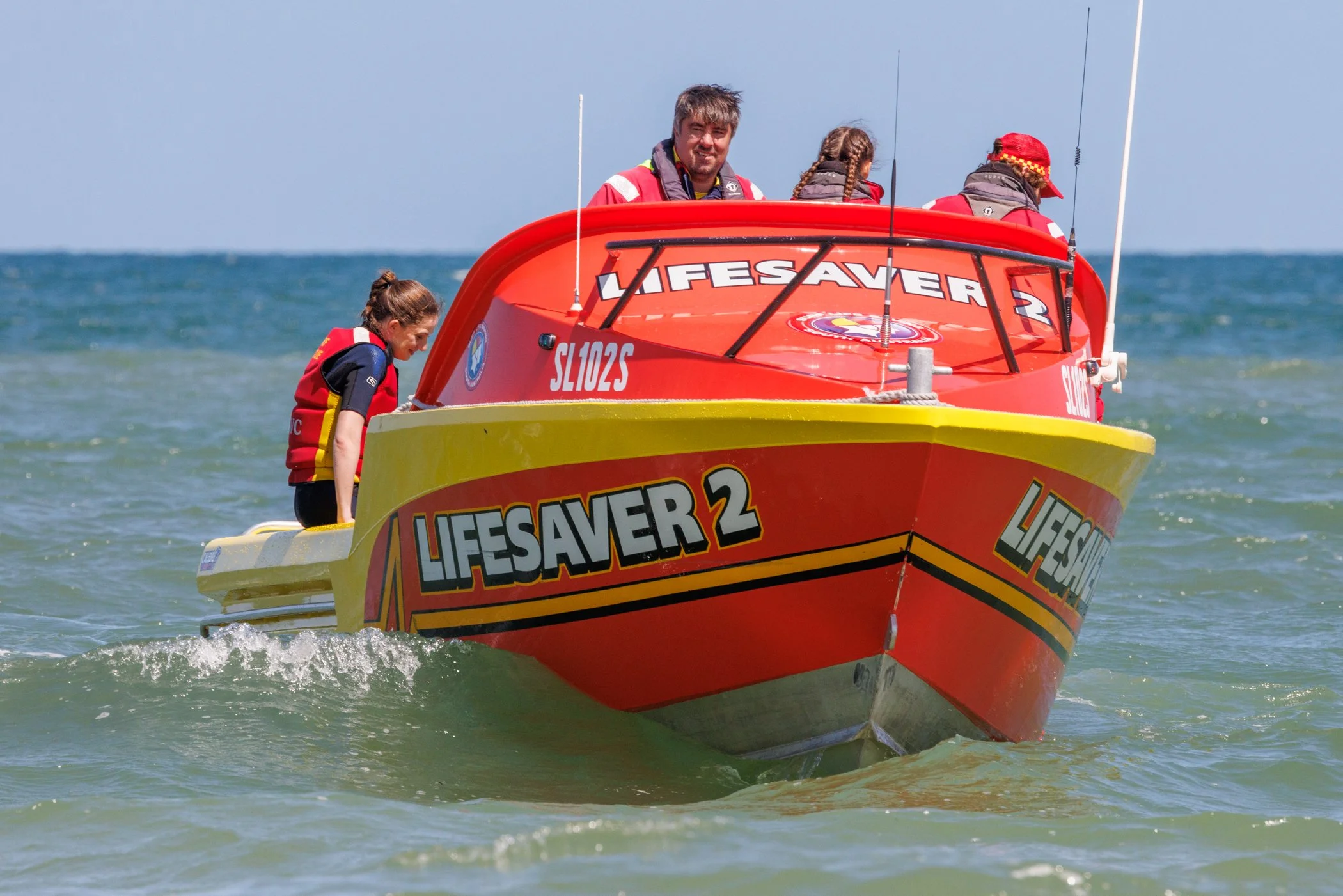
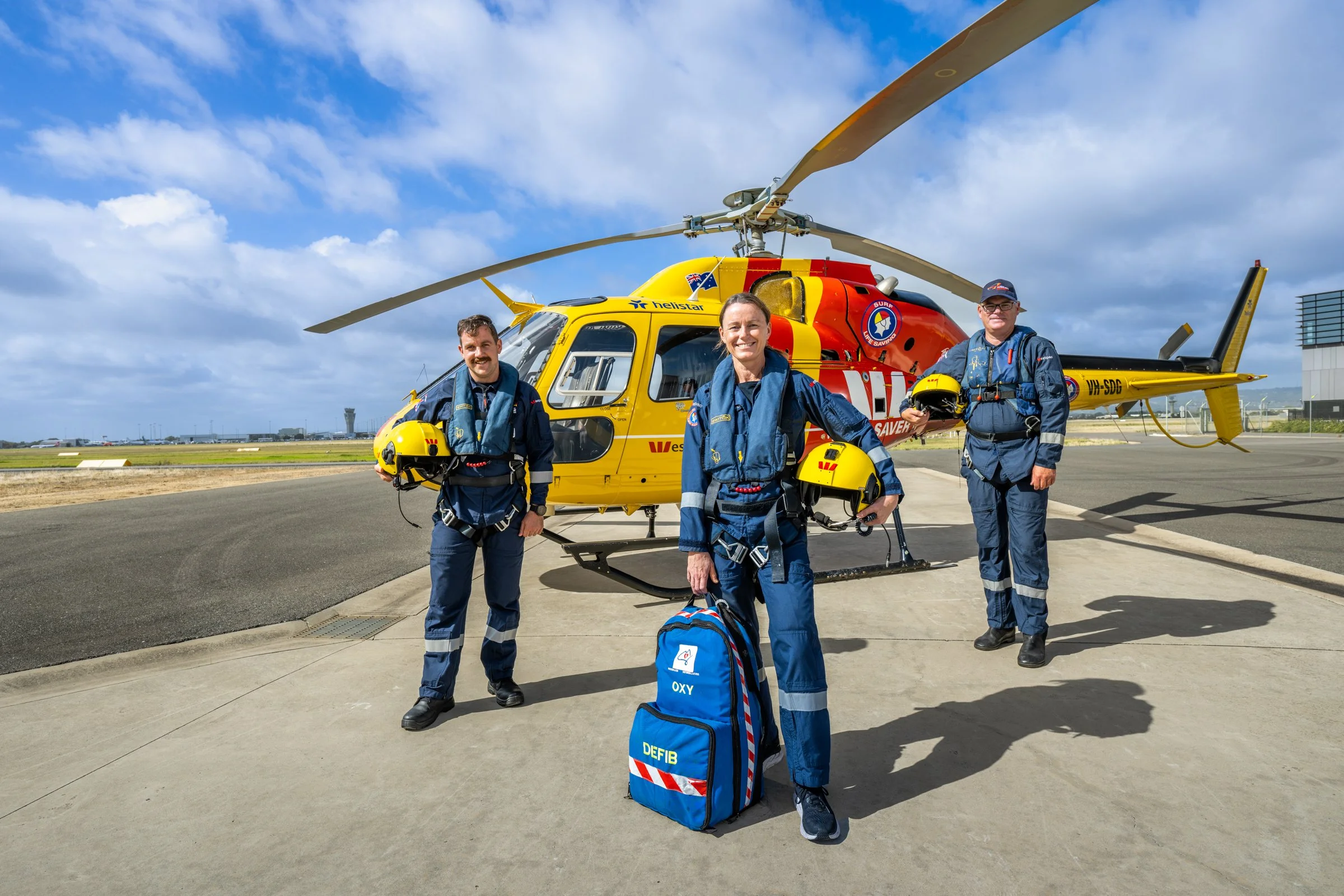
A Jet Rescue Boat (JRB) is a specialised, high-speed watercraft powered by a water jet propulsion system instead of a traditional propeller. It is equipped with search and rescue imaging and mapping systems, safety gear and radio communications capability. It carries a variety of retrieval and paramedical lifesaving equipment including oxygen, defibs, trauma first aid and rescue gear. It is operated by one driver and several crew members.
The JRB Crew pathway prepares you to support coastal surveillance, roving patrols and rapid-response rescues across large stretches of coastline, including areas between patrolled beaches. You’ll build advanced rescue skills while assisting the driver with navigation, communication, emergency response and the safe operation of the craft. This is a high-impact, fast-paced role which requires strong training, quick decision-making, and expert handling of lifesaving equipment.
Where can it lead?
JRB Crew can lead to JRB Driver and other advanced coastal response roles.
What are the requirements?
Minimum 18 years old
Hold a SLSA Bronze Medallion
Hold a current driver’s licence
Will I need to get wet?
Yes
This could suit you if you are:
Calm in emergency situations
Confident in and around the water
Able to work effectively as part of a team
Comfortable operating in changing coastal conditions
Jet Rescue Boat (JRB) Driver
What is it?
A Jet Rescue Boat (JRB) is a specialised, high-speed watercraft powered by a water jet propulsion system instead of a traditional propeller. It is equipped with search and rescue imaging and mapping systems, safety gear and radio communications capability. It carries a variety of retrieval and paramedical lifesaving equipment including oxygen, defibs, trauma first aid and rescue gear. It is operated by one driver and several crew members.
The JRB Driver pathway prepares experienced members to operate the craft during coastal surveillance, roving patrols and rapid-response rescues across large stretches of coastline, including areas between patrolled beaches. You’ll develop advanced boat-handling and navigation skills while leading the crew, coordinating emergency responses and ensuring the safe operation of the craft. It’s a fast-paced, high-responsibility role requiring extensive training, confident decision-making and advanced powercraft experience.
Where can it lead?
JRB Driver can lead to other advanced coastal response roles.
What are the requirements?
Minimum 18 years old
Hold a SLSA Bronze Medallion
Hold an IRB Crew award
Hold a JRB Crew award (Minimum 2 Years)
Current SA boat licence
Hold a current driver’s licence
Will I need to get wet?
Yes
This could suit you if you are:
An experienced and confident boat operator
Calm under pressure
A strong communicator and decision-maker
Able to lead and work effectively with a crew
westpac Lifesaver Rescue Helicopter Service
What is it?
The Bronze Medallion is a nationally recognised qualification that prepares you for active lifesaving and patrol duties. You'll gain essential skills and knowledge on surf awareness, aquatic rescue operations, radio operations, emergency care and patrol operations. You’ll also gain the Certificate II in Public Safety (Aquatic Rescue) (PUA20119).
Where can it lead?
The Bronze Medallion is an essential stepping stone for anyone wanting to take on more responsibility in their club. It can lead to advanced patrol roles, including
IRB Crew & Driver
First Aid & Advanced Resuscitation
Silver Medallion Aquatic Rescue
Patrol Captain & Leadership Roles
Trainer, Assessor, or Facilitator
Sport Participation
What are the requirements?
Minimum 14 years old
Be able to complete an unaided swim of 400m in less than 9 minutes
Will I need to get wet?
Yes
This could suit you if you are:
Approachable and friendly
Calm in emergency situations
Confident in and around water
Able to work in a team environment
Remotely Piloted Aircraft System (RPAS) Operator
What is it?
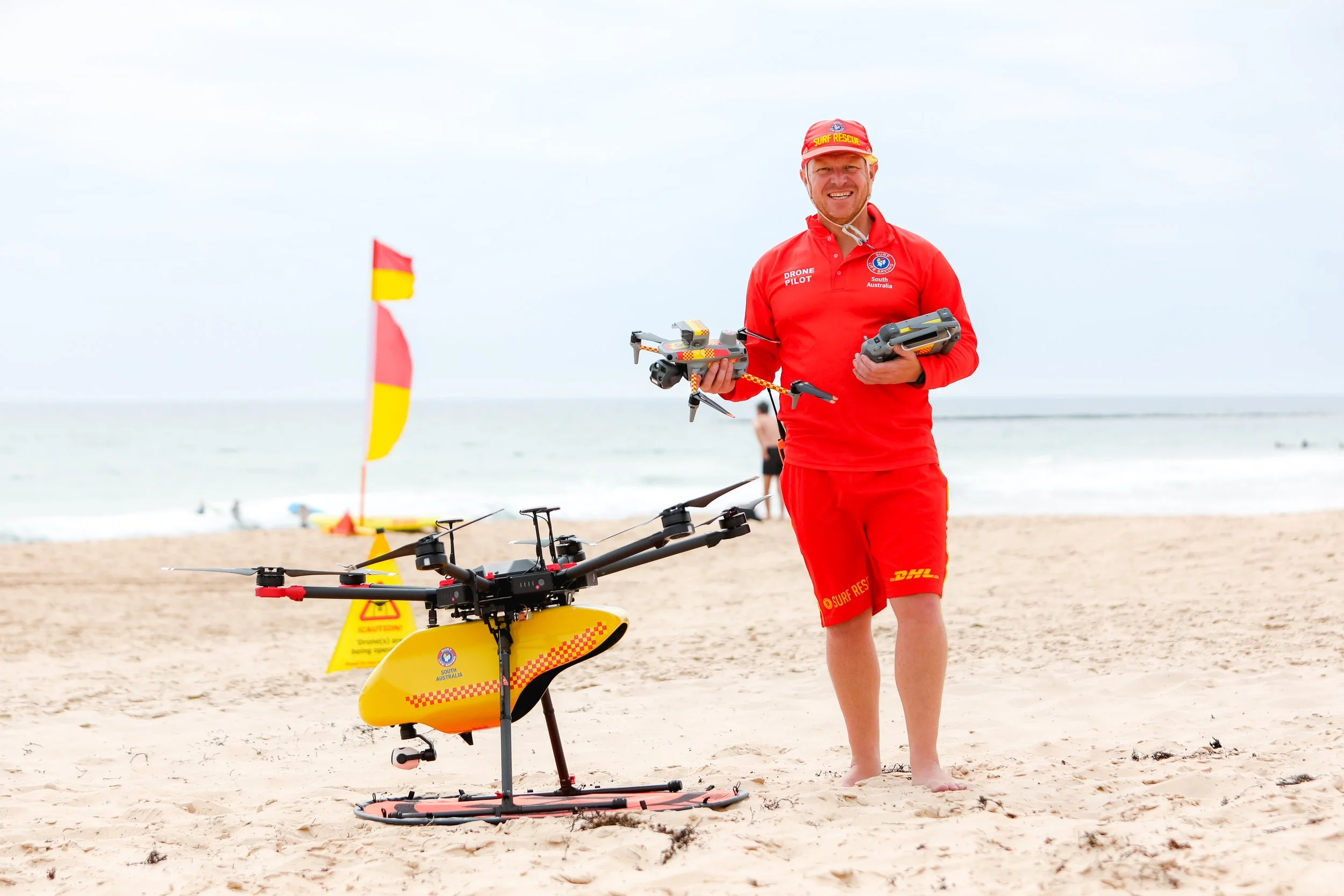
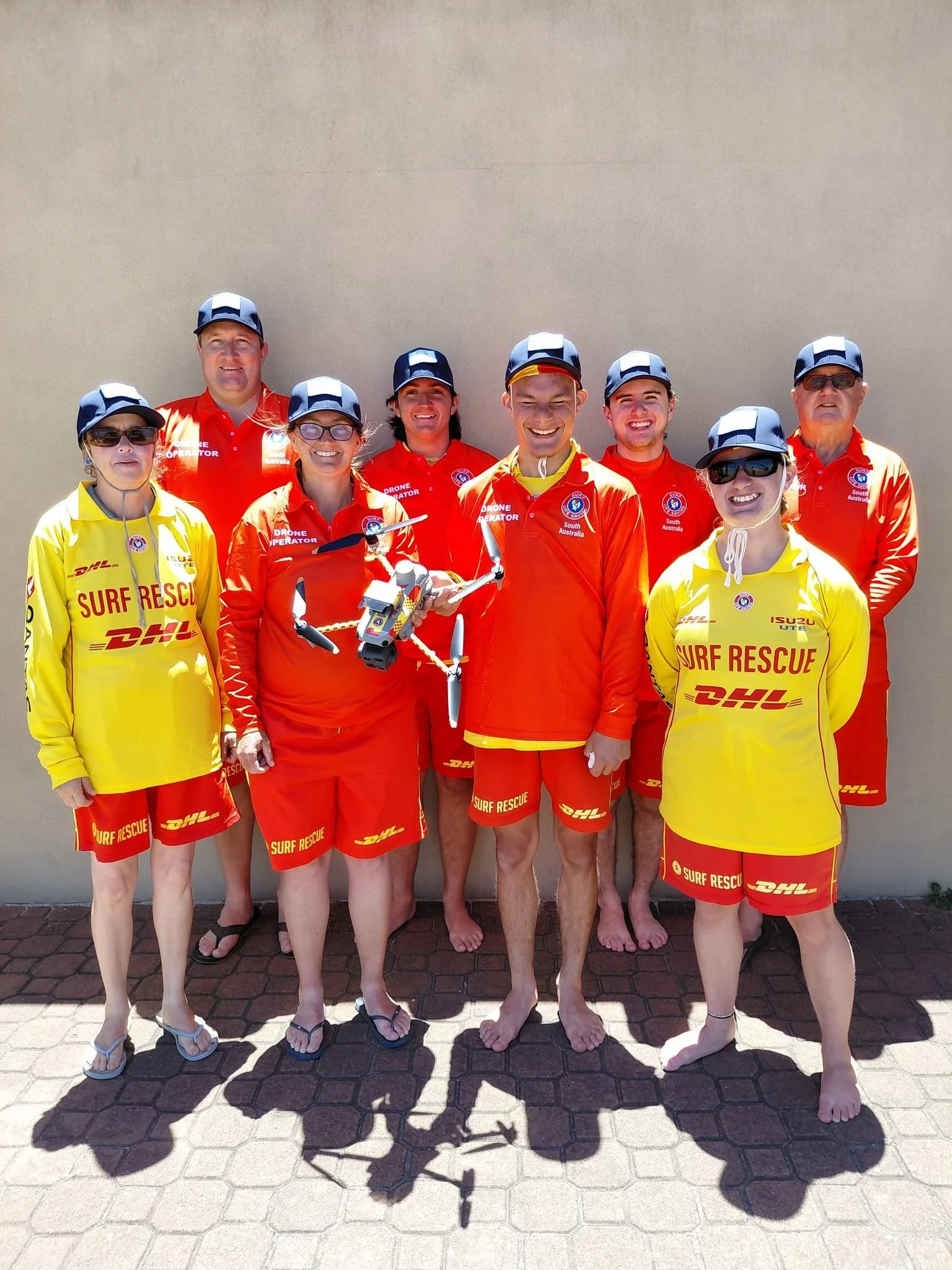
The Drone Operator course teaches you to use remotely piloted aircraft systems to support patrol and beach safety operations. You'll learn to identify hazards, assist with surveillance and provide information that can support rescue responses, making it a practical technology-focused role that does not require entering the water.
Where can it lead?
?
What are the requirements?
Minimum 17 years old
Bronze medallion or a combination of the Observer's Award and Radio Award
Hold a full driver’s licence
Will I need to get wet?
No
This could suit you if you are:
Calm in emergency situations
Able to work in a team environment
Looking to help without entering the water
State Operations Centre (SOC)
What is it?
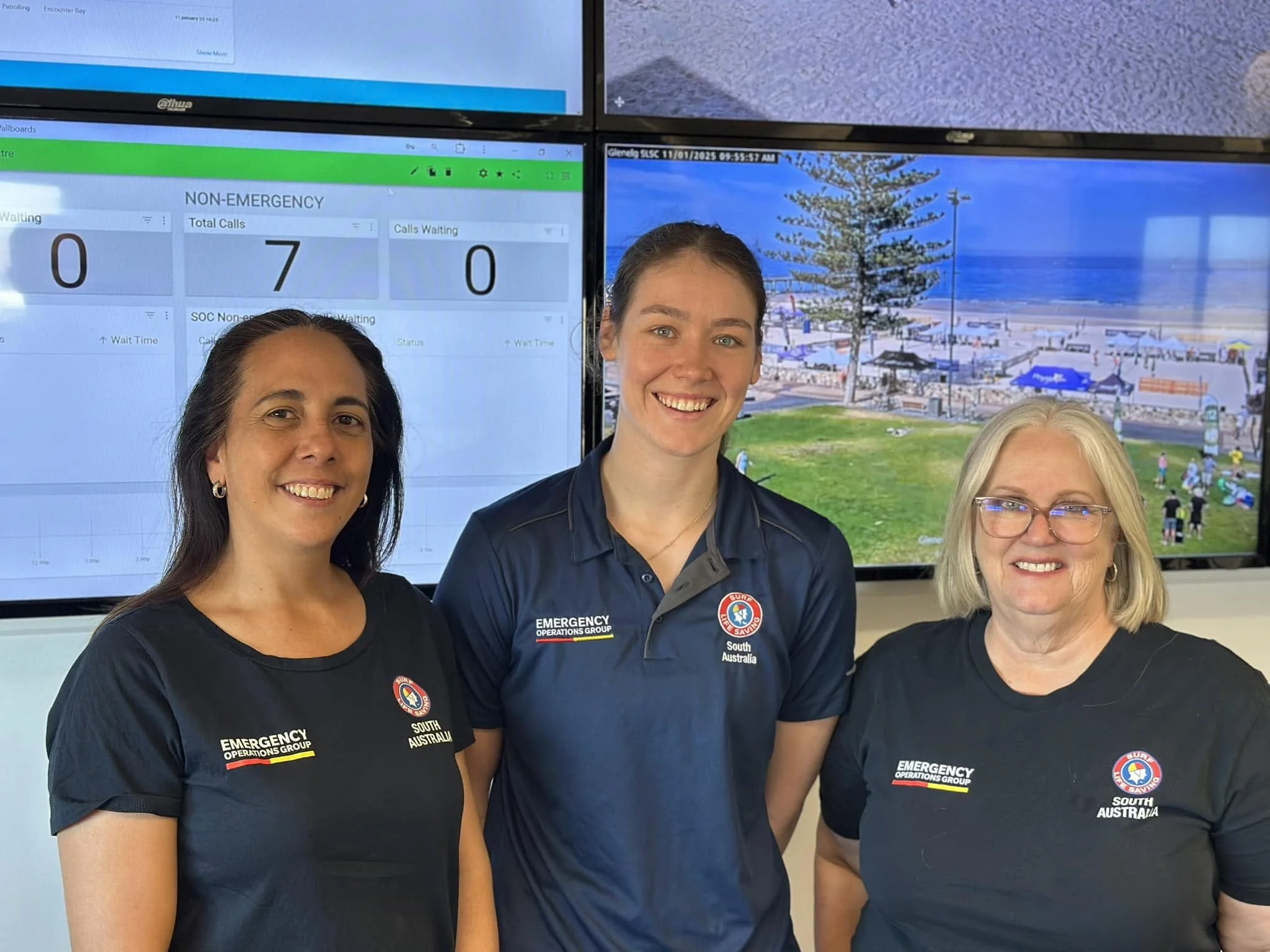
The State Operations Centre (SOC) team delivers essential communication and incident support from Surf Central. You'll use geospatial tools, CCTV, data, and incident reporting systems to monitor activity, identify high-risk areas and support informed operational decision-making in an environment away from the beach.
Where can it lead?
??
What are the requirements?
?
Will I need to get wet?
No
This could suit you if you are:
Wanting to help off the beach
Calm in emergency situations
Able to work in a team environment
Experienced in leadership and mentoring
Experienced with radio communications
A strong communicator with good reporting skills
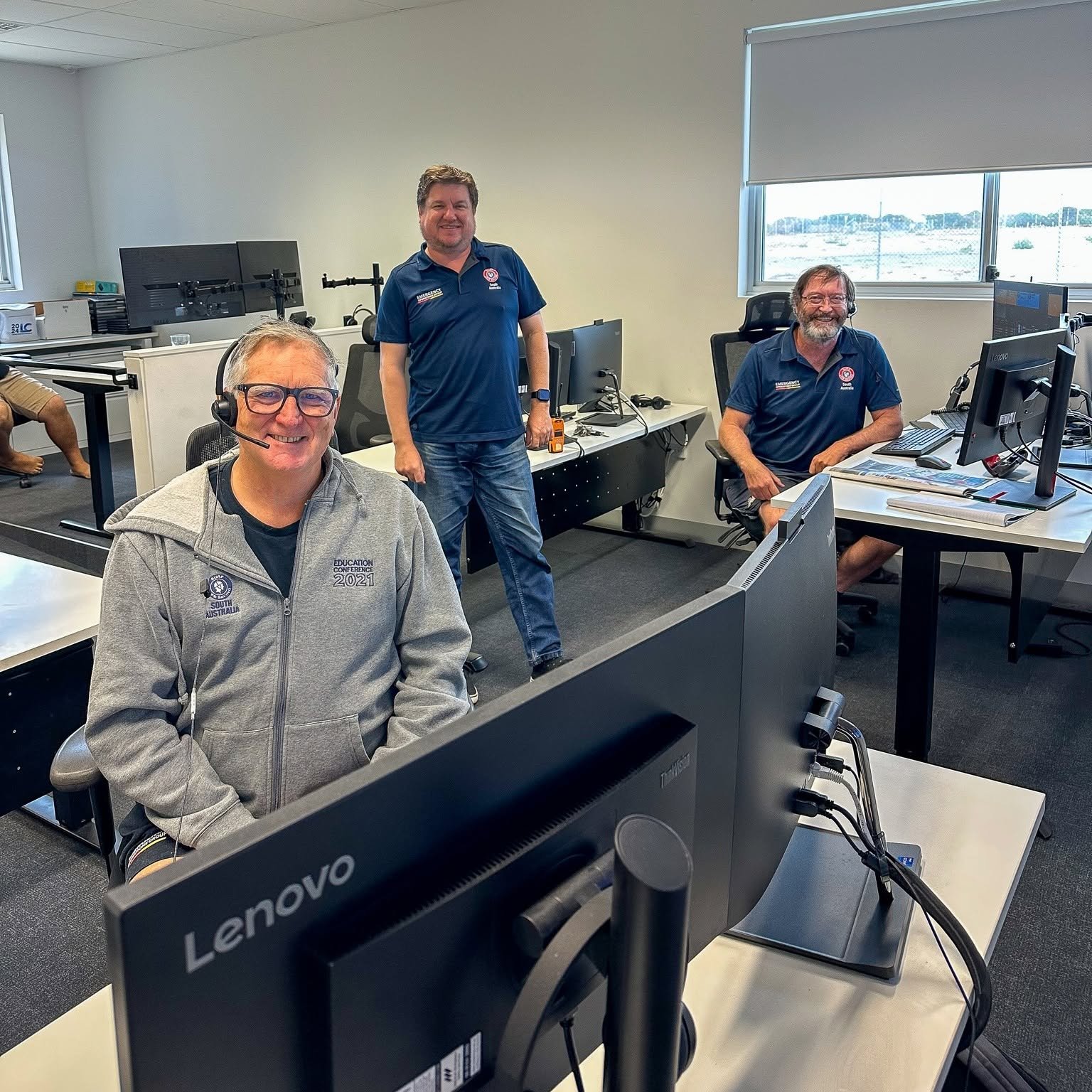
Duty Officer
What is it?
The Duty Officer role plays a critical leadership role in Surf Life Saving, overseeing the coordination, readiness, and deployment of rescue watercraft such as IRBs and jet skis during emergencies. You'll ensure all equipment is operational, crews are properly trained, and coordinate fast, safe and effective communications. You’ll also liaise with other emergency services, provide real-time support during incidents, and help manage during patrols, major events and emergencies.
What are the requirements?
Knowledgeable about advanced lifesaving and Emergency Operations
Experienced in another Emergency Operations role
Will I need to get wet?
Occasionally
This could suit you if you are:
An experienced lifesaver looking to take on more responsibility
Approachable and friendly
Calm in emergency situations
Confident in and around water
Able to work in a team environment
Experienced in leadership and mentoring
A strong communicator with good reporting skills
Ready to start your journey?
Find a club
Click here to find a club near you!
Contact us
If you have any further inquiries, please feel free to reach out to us via slssa.reception@surflifesavingsa.com.au or by calling 8354 6900 during office hours.